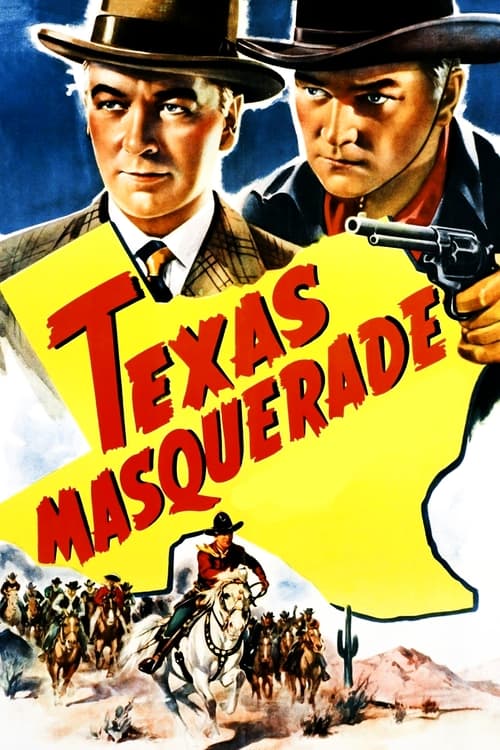
Texas Masquerade
1944
No user ratings available yet
Representation score: 1.3 out of 10
No Poster Available
Representation Score
Minimal
1939
ApprovedDirector
Joseph Levering
Runtime
61 minutes
Average Rating
No ratings yetNew Showbiz Analysis
The Law Comes to Texas is a quintessential B-movie Western that prioritizes genre clichés over social diversity. The narrative focuses heavily on masculine archetypes of authority, centering the conflict on male figures like the Judge and the Lawyer. Produced in 1939, the film reflects the era's standard reliance on Anglo-Saxon protagonists and traditional institutional hierarchies. The story serves to validate legal structures rather than challenge them. Ultimately, the film offers a conventional experience that reinforces the social and demographic norms of its time, providing very little representation outside of its central male cast.
Category Breakdown
The film does not include any visible LGBTQ+ characters or narratives. It follows the straight-centered social structures common in 1930s cinema.
The story is driven by male-dominated power dynamics involving a Judge, Sheriff, and Lawyer. While the protagonist plays a significant role in driving the story, the framework remains rooted in patriarchal leadership.
The production aligns with the homogeneous casting patterns typical of the 1939 Western genre. There is no evidence of diverse ethnic groups in positions of power.
The plot reinforces traditional Western institutions and the sanctity of the law. It functions as a procedural celebrating systemic authority over lawlessness.
There is no information regarding the inclusion or portrayal of characters with physical or neurodivergent disabilities.
Present on Screen
Limited or Absent
Official Synopsis
Dean, the Bailey County Judge, is the boss of both the outlaw gang and the Sheriff. He utilizes the state law that Sheriffs have jurisdiction only in their own county. After a raid the gang merely returns to the safety of Bailey County. The Governor sends Lawyer John Hayes. When he has no success as a Lawyer he leaves town only to return disguised as an outlaw with a scheme that will nab all the culprits.
1944
1942
1942
1932

1934

1931

1939
1937
No reviews yet. Be the first to share your thoughts on this movie!
Use the rating form above to leave a star rating and optional review.