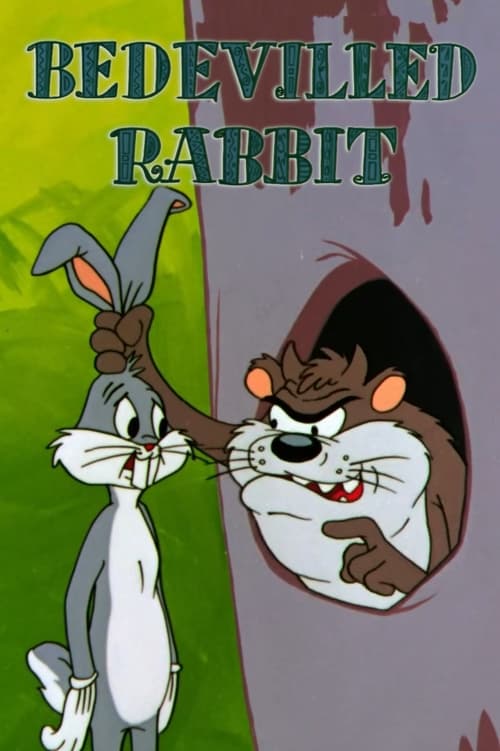
Bedevilled Rabbit
1957
No user ratings available yet
Representation score: 0.3 out of 10
Representation Score
Minimal
1962
NRDirector
Robert McKimson
Runtime
6 minutes
Average Rating
No ratings yetNew Showbiz Analysis
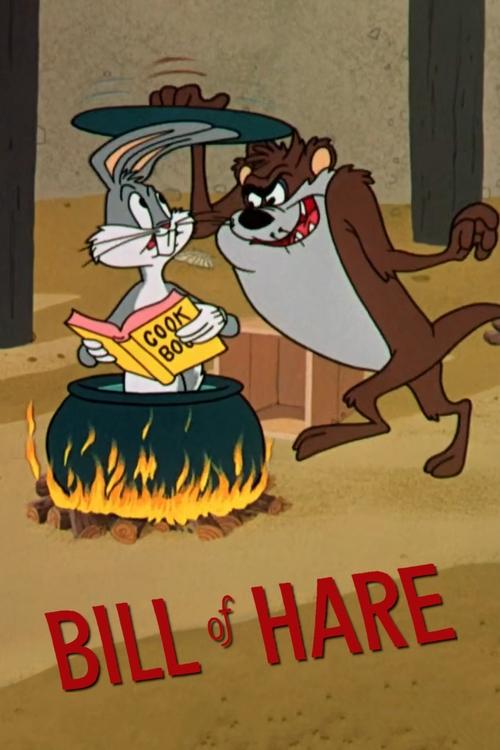
Bill of Hare is a mid-century animated short that focuses on kinetic energy and slapstick comedy rather than social commentary. The narrative relies on the classic trickster archetype to drive the plot through physical gags. While the film excels in refining classical animation pacing, it lacks the structural complexity to engage with multiple aspects of identity. It remains a product of its era, emphasizing character-driven humor over systemic critique. Ultimately, the work maintains a traditionalist approach to storytelling. It avoids any intentional challenges to cultural norms or progressive narrative structures, sticking to established comedic clichés.
Category Breakdown
The film does not include any characters or themes related to LGBTQ dynamics. The interactions are limited to the conflict between the protagonist and antagonist.
The anthropomorphic nature of the characters means there is no gendered depth. The conflict follows a typical hunter-versus-hunted dynamic without challenging traditional gender roles.
The character designs and settings follow the homogeneous standards of 1960s animation. There is no indication of racial blending or the use of species as ethnic metaphors.
The story adheres to a traditional Western comedic framework. It uses an affluent setting for slapstick humor without critiquing class or social structures.
The film does not depict any physical disabilities, neurodivergence, or sensory impairments. Characters operate within standard physical parameters without addressing disability issues.
Present on Screen
Limited or Absent
Official Synopsis
The Tasmanian Devil finds Bugs cooking dinner underneath a beach boardwalk.
1957
1966
1954
1957
1950
1947
1940
1979
No reviews yet. Be the first to share your thoughts on this movie!
Use the rating form above to leave a star rating and optional review.