Bedevilled Rabbit
1957
No user ratings available yet
Representation score: 0.3 out of 10
Representation Score
Minimal
1952
ApprovedDirector
Robert McKimson
Runtime
7 minutes
Average Rating
No ratings yetNew Showbiz Analysis
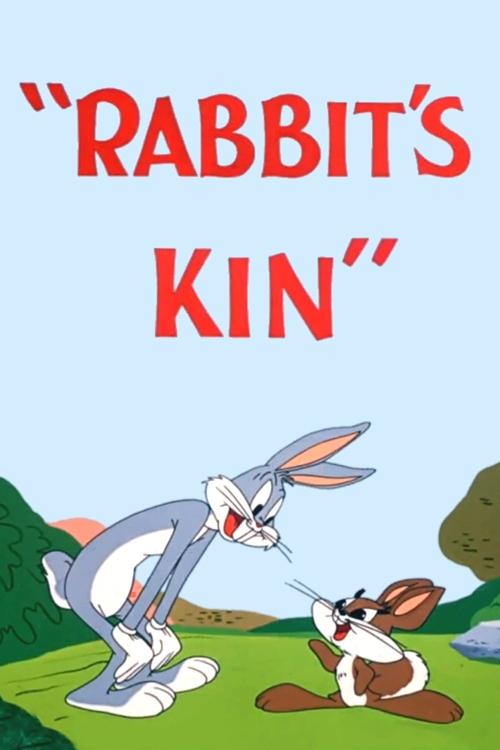
Rabbit's Kin is a classic example of mid-century animation, focusing on slapstick comedy and traditional character types. The story relies on conventional domestic clichés and kinship structures that reinforce rather than challenge mid-century social norms. While the animation uses anthropomorphic characters to avoid human racial markers, the lack of diverse archetypes results in a narrative that lacks multi-layered depth. The film remains a standard comedic short that adheres to the production constraints and social values of 1952. Ultimately, the work does not significantly disrupt conventional hierarchies and stays true to its period-specific context.
Category Breakdown
The film does not include any characters identifying as LGBTQ+. The story centers around biological family ties and traditional household structures.
A mother figure manages the home, though she is primarily defined by her domestic role. The humor arises from disrupting conventional gender roles rather than challenging them.
The characters do not have human racial or ethnic markers due to their anthropomorphic design. The setting reflects a homogeneous, unspecified environment typical of mid-century animation.
The short highlights mid-century values and the stability of the family unit. It operates within a conventional comedic framework without addressing social or systemic issues.
No characters with visible or invisible disabilities are shown. All characters function within standard physical parameters without neurodivergent or sensory-based stories.
Present on Screen
Limited or Absent
Official Synopsis
Bugs rescues a young rabbit from Pete Puma and gives lessons on how to heckle.
1957
1946
1950
1954
1952
1950
1945
1953
No reviews yet. Be the first to share your thoughts on this movie!
Use the rating form above to leave a star rating and optional review.