Roughly Squeaking
1946
No user ratings available yet
Representation score: 1.9 out of 10
Representation Score
Fair
1950
ApprovedDirector
Chuck Jones
Runtime
7 minutes
Average Rating
No ratings yetNew Showbiz Analysis
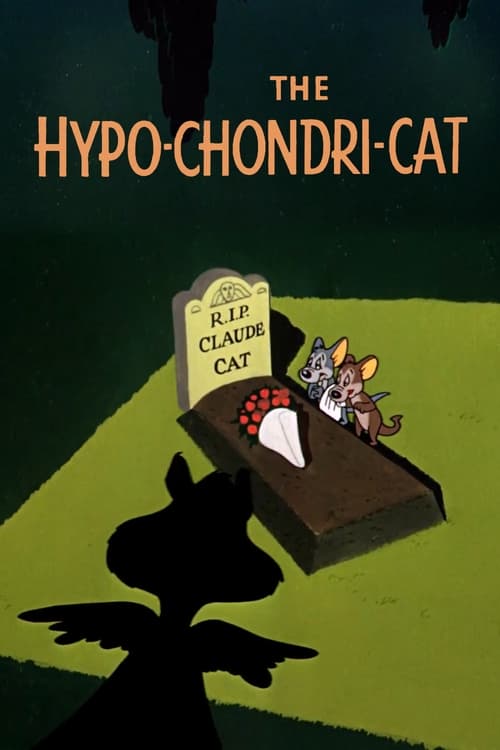
Chuck Jones's work here reflects the standard comedic clichés of mid-20th century animation. The film relies on character-driven irony and slapstick humor rather than social commentary or nuanced storytelling. The narrative is centered around a trio of male-coded characters, limiting the space for diverse perspectives and varied identities. This absence of representation mirrors the production constraints of the time. While the film uses a mental health condition as a central theme, it treats the condition primarily as a plot device for humor, failing to offer a deeper exploration of neurodivergence.
Category Breakdown
The film does not depict any non-cisgender identities or same-sex relationships. The story revolves around a traditional conflict between animal characters.
The story focuses on three male-coded characters. While it avoids reinforcing gender hierarchies, it lacks strong roles for female characters, maintaining a predominantly masculine dynamic.
The characters are anthropomorphic animals, creating a neutral backdrop. However, there is a lack of diverse racial or ethnic representation in this mid-century production.
The film follows conventional comedic structures typical of the 1950s. It functions as standard entertainment without challenging Western cultural norms or promoting specific religious beliefs.
Claude's hypochondria serves as the main source of comedy. The portrayal uses his anxiety as a humorous element rather than exploring his condition in depth.
Present on Screen
Limited or Absent
Official Synopsis
Those crazy mice Hubie & Bertie are at it again with Claude. This time the mice see that Claude is seriously ill, so they give him an operation.
1946
1947
1941
1945
1954
1940
1944
1959
No reviews yet. Be the first to share your thoughts on this movie!
Use the rating form above to leave a star rating and optional review.