Roughly Squeaking
1946
No user ratings available yet
Representation score: 1.9 out of 10
Representation Score
Minimal
1952
NRDirector
Friz Freleng
Runtime
7 minutes
Average Rating
No ratings yetNew Showbiz Analysis
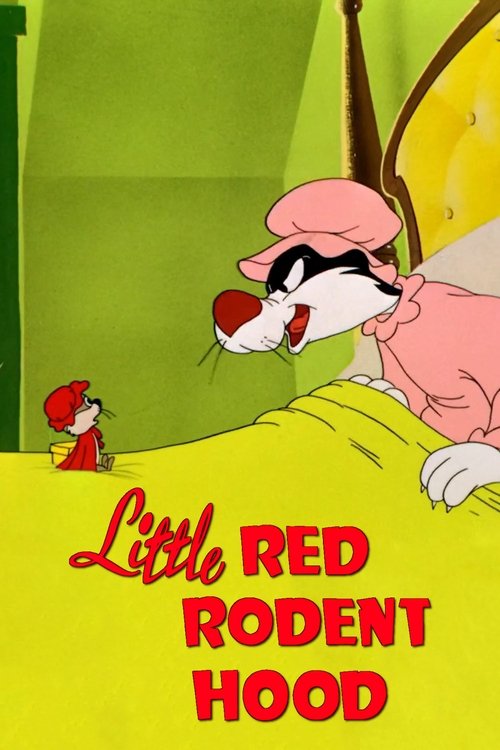
Little Red Rodent Hood is a product of the Golden Age of animation, prioritizing slapstick comedy and classic storytelling structures over social commentary. The film focuses on a homogeneous cast of anthropomorphic animals and adheres to traditional storytelling clichés from the 1950s. It does not address diverse identities or social hierarchies, serving primarily as entertainment.
Category Breakdown
The film uses anthropomorphic animals and does not depict any non-binary gender identities or same-sex relationships, sticking to traditional 1950s structures.
A female character drives the story but stays within classic fairy tale boundaries, without challenging mid-century gender norms.
The cast is made up of stylized animal characters in a forest setting, with no indication of racial or ethnic diversity.
This is a traditional retelling of a Western folk tale, reinforcing conventional morality without addressing cultural critiques.
There are no visible or invisible disabilities shown in the film. The humor relies on cartoon physics and slapstick comedy.
Present on Screen
Limited or Absent
Official Synopsis
An elderly mouse tells the bedtime story of Little Red Riding Hood to her grandson, who visualizes the tale in cat-and-mouse terms, with himself as Red and Sylvester as the Big Bad Wolf.
1946
1950
1955
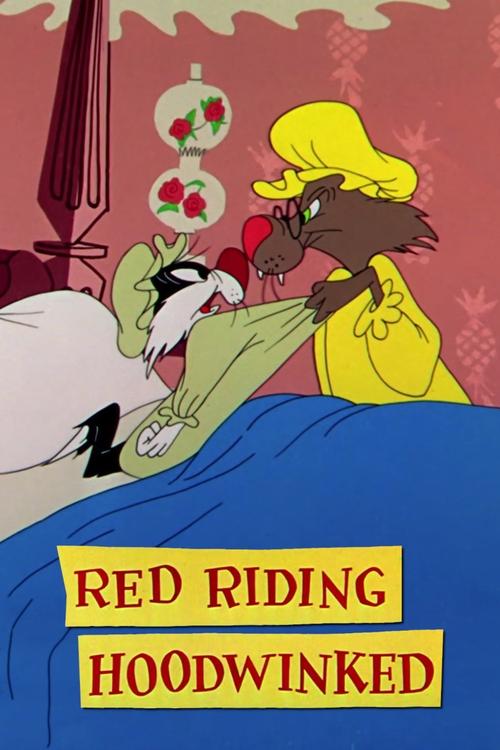
1955
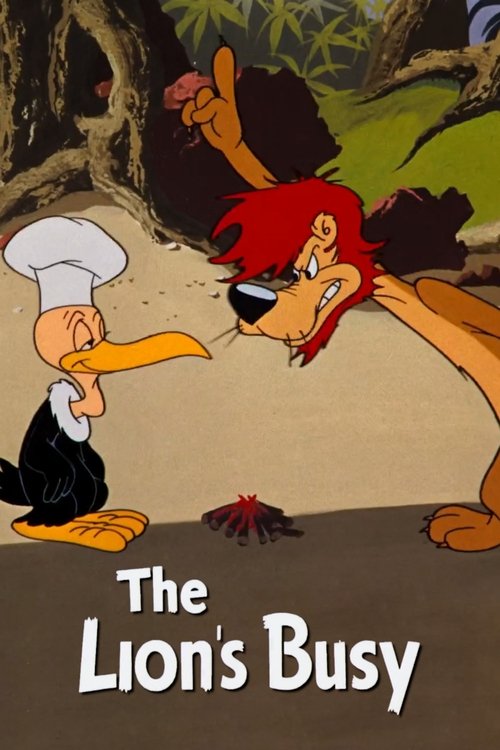
1950
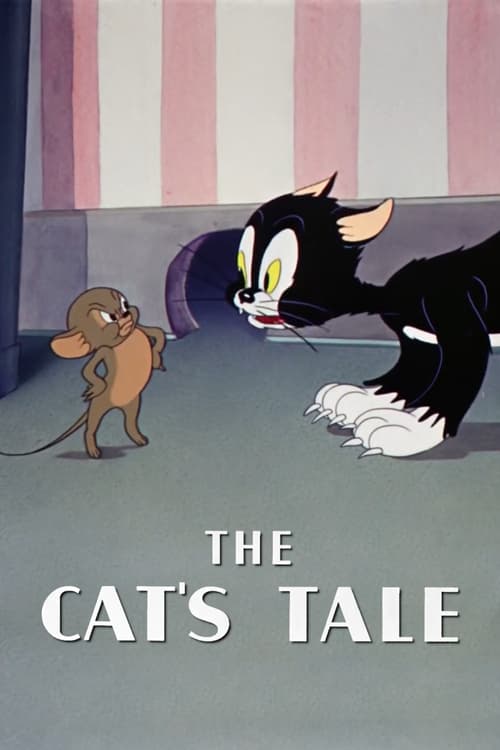
1941
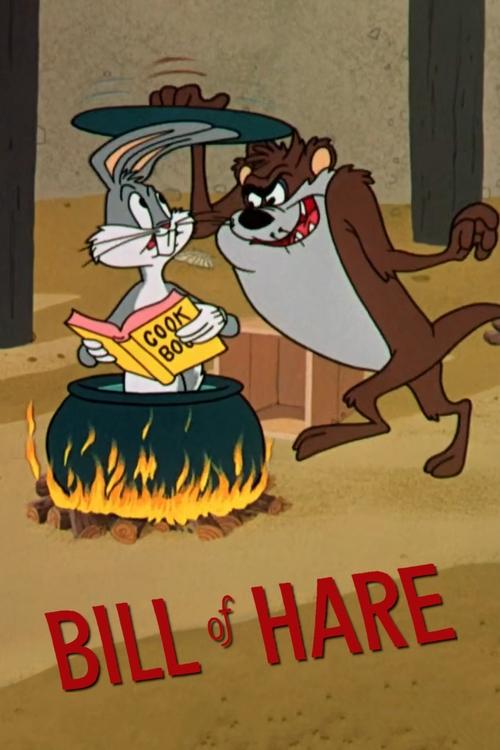
1962
1937
No reviews yet. Be the first to share your thoughts on this movie!
Use the rating form above to leave a star rating and optional review.