High Diving Hare
1949
No user ratings available yet
Representation score: 0.4 out of 10
Representation Score
Minimal
1956
NRDirector
Chuck Jones
Runtime
7 minutes
Average Rating
No ratings yetNew Showbiz Analysis
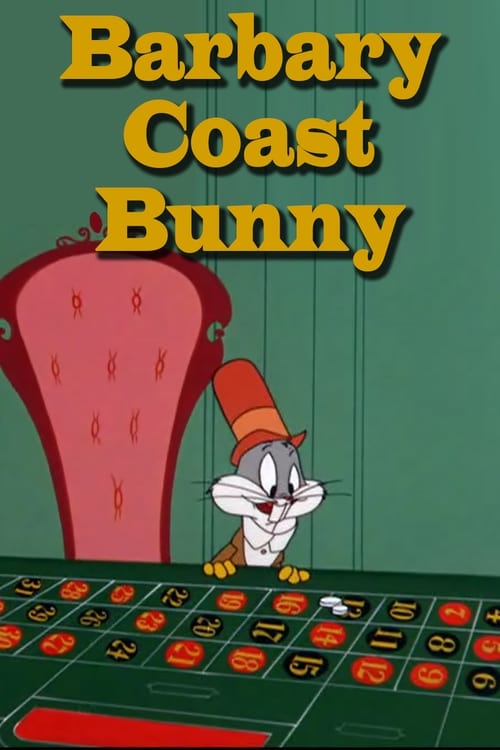
Barbary-Coast Bunny is a product of its time, serving as a character-driven comedy that reinforces traditional Western genre clichés. The narrative structure revolves around the conflict of individual ability to act and resource ownership. The film lacks complexity in representing multiple aspects of identity and fails to challenge established social hierarchies. It adheres to mid-century cinematic standards by focusing on individual triumph within conventional social and economic structures. Ultimately, the work sticks to the archetypes of the outlaw and the trickster without broadening its social or cultural scope.
Category Breakdown
The film does not include any characters with non-straight or non-cisgender identities. The story revolves around traditional conflicts between characters.
Gender roles in the film are very traditional, resembling those found in 1950s Western animation. Female characters do not have significant control over the plot or challenge traditional male leadership.
The story relies on well-known Western archetypes set in San Francisco. It does not feature a diverse cast or disrupt historical racial norms.
The plot centers on a capitalist framework focused on acquiring a gold nugget. It upholds traditional Western values related to private property and resource acquisition.
There are no characters in the film dealing with physical, sensory, or neurodivergent conditions.
Present on Screen
Limited or Absent
Official Synopsis
After Bugs' giant gold nugget is stolen by Nasty Canasta, he tries to win it back at Canasta's San Francisco gambling hall.
1949

1951
1951
1962
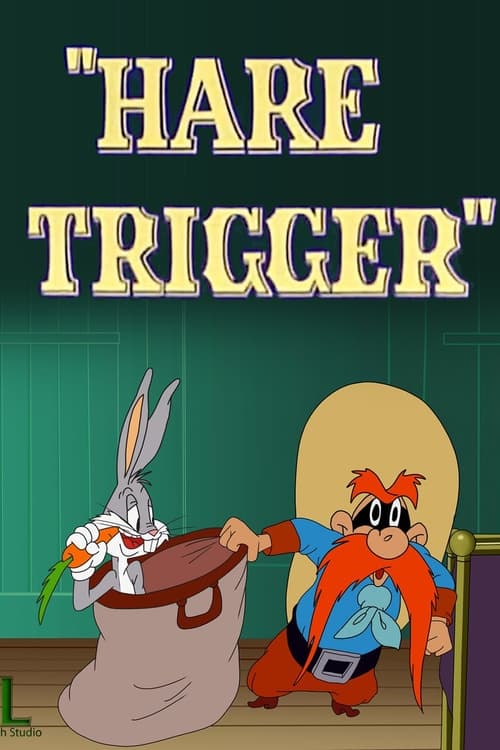
1945
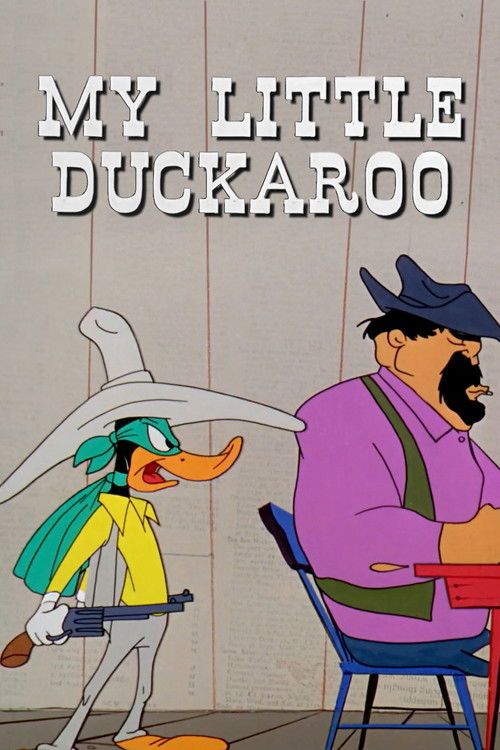
1954
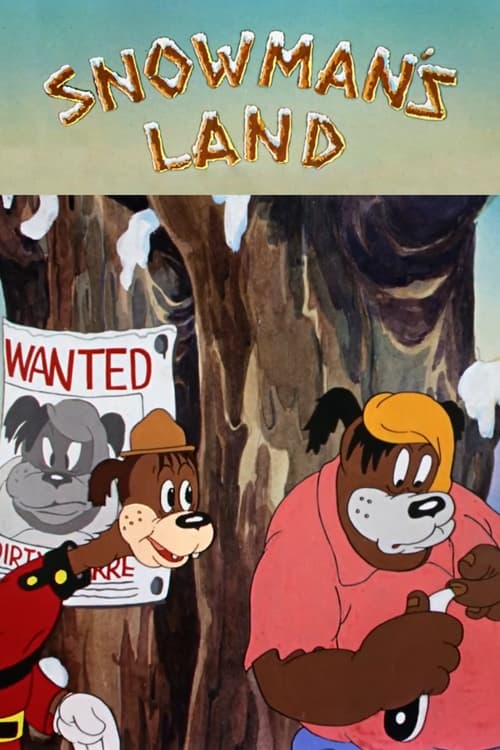
1939
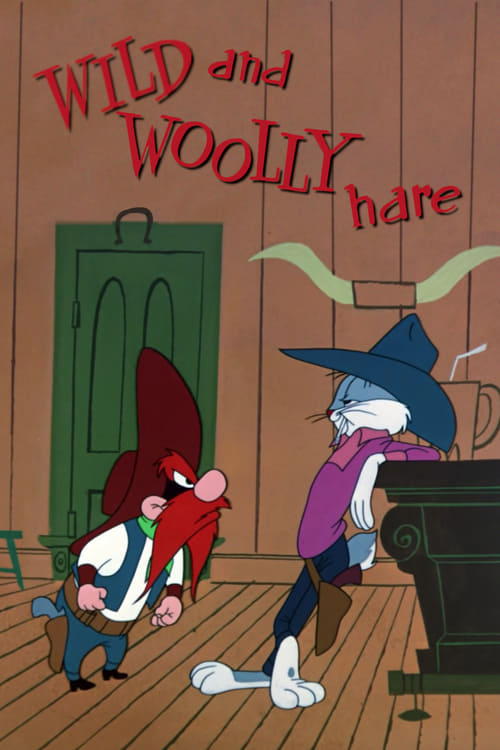
1959
No reviews yet. Be the first to share your thoughts on this movie!
Use the rating form above to leave a star rating and optional review.