Ducking the Devil
1957
No user ratings available yet
Diversity score: 2.2 out of 10
1966
NRDirector
Robert McKimson
Runtime
6 minutes
Average Rating
No ratings yetSynopsis
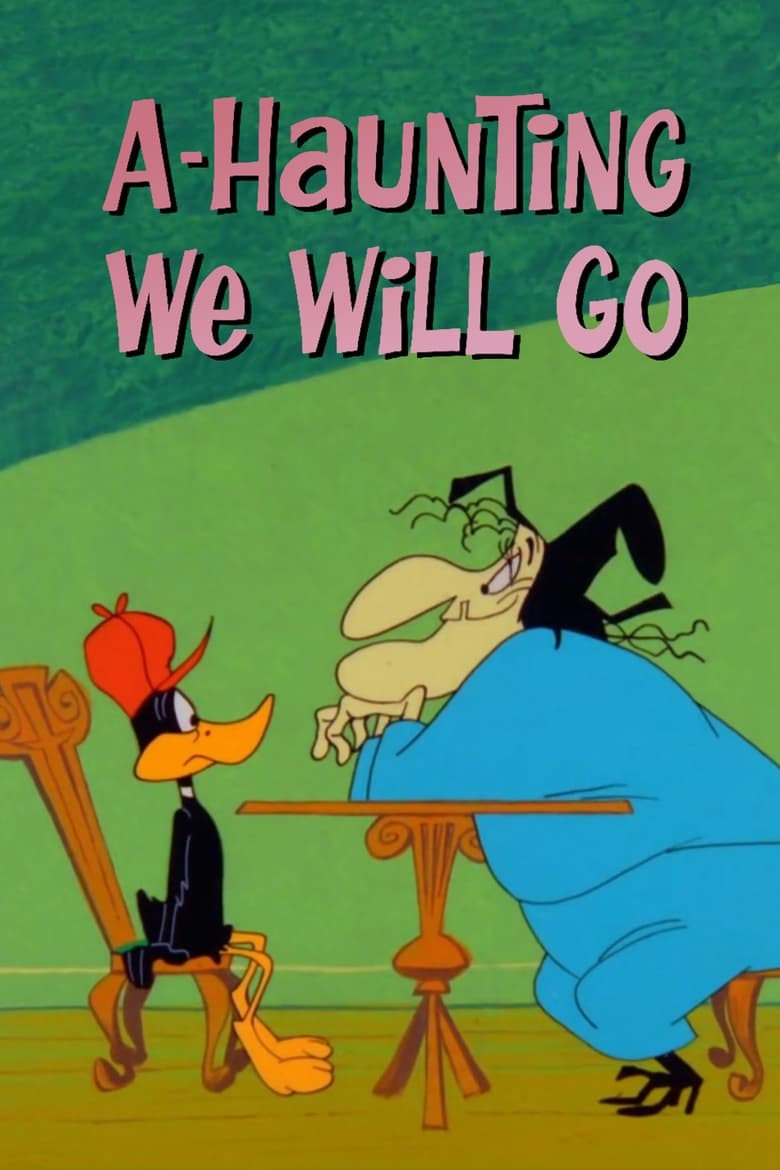
Daffy convinces his son that old Witch Hazel isn't what he thinks she is.
Overall Score
Limited
Category Breakdown
LGBTQ+ Representation
The film lacks non-heteronormative identities or narratives that critique heteronormativity. Representation in this category is absent, which is typical for 1960s animation.
Gender Representation
Witch Hazel provides a sense of chaotic agency within the story. However, her role functions primarily as a standard comedic foil within a traditional framework.
Racial & Ethnic Diversity
The cast consists of homogeneous, anthropomorphic characters like Daffy Duck. There is no evidence of intersectional casting or the disruption of Anglo-centric norms.
Religious & Cultural Diversity
Themes revolve around familial interaction and classic spooky tropes. The narrative aligns with established mid-1960s social norms rather than offering any cultural critique.
Disability Representation
No characters with visible or invisible disabilities are mentioned. There is no evidence of neurodivergence or physical disability serving as a narrative driver.
Strengths
Areas for Improvement
AI Analysis
A-Haunting We Will Go is a product of the mid-century studio system, prioritizing slapstick and established character dynamics over social commentary. The narrative focuses on the interaction between Daffy Duck, his son, and Witch Hazel, adhering to the comedic tropes of 1966. The film lacks intentionality regarding the disruption of social hierarchies. It functions as a standard character-driven comedy that reflects the homogeneous and traditionalist landscape of its era. Because the characters are anthropomorphic, the work avoids engagement with racial, ethnic, or intersectional diversity, instead relying on a familiar cast of studio icons.
1957
1962
1957
1947
1979
1950
1952
1950
1945
1954
1951
1967
No reviews yet. Be the first to share your thoughts on this movie!
Use the rating form above to leave a star rating and optional review.