Roughly Squeaking
1946
No user ratings available yet
Representation score: 1.9 out of 10
Representation Score
Minimal
1954
NRDirector
Chuck Jones
Runtime
6 minutes
Average Rating
No ratings yetNew Showbiz Analysis
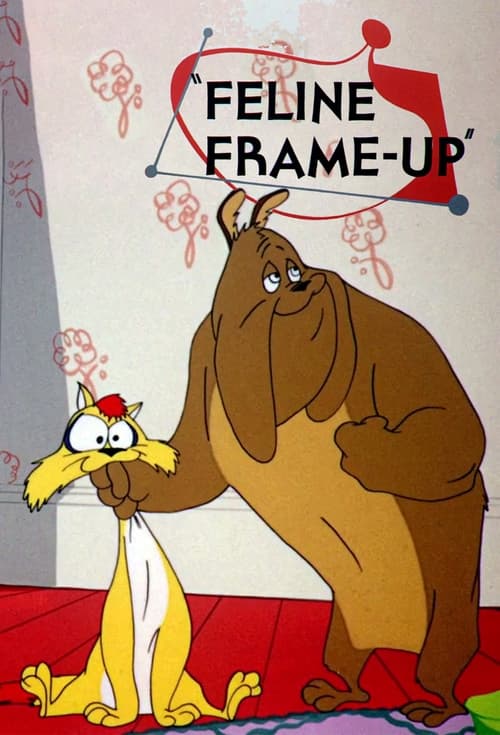
Feline Frame-Up is a traditional comedic short that relies on slapstick humor and character psychology. While it does not explicitly address multiple aspects of identity, it explores complex themes of systemic injustice and reclaiming control. The film's strength lies in its portrayal of a character fighting against a manufactured falsehood, highlighting the manipulation of truth and power dynamics. Ultimately, the production reflects the era's standards, focusing on situational ethics rather than diverse social representation.
Category Breakdown
The film does not include any characters with LGBTQ+ identities or same-sex relationships. The story focuses solely on conflicts between different species.
The story revolves around a fight for justice and control, but it does not explore specific gender dynamics or challenge traditional gender roles.
The domestic setting and animal characters do not provide any examples of racial diversity or cultural differences.
The plot delves into themes of subjective morality and the instability of truth. The main character navigates a system where truth is manipulated.
The film does not feature any characters with visible or invisible disabilities. Disability is not used as a plot device.
Present on Screen
Limited or Absent
Official Synopsis
After Claude frames Marc Antony, making it look like the bulldog ate the kitty, Marc must try various methods of getting back at Claude from outside the yard.
1946
1945
1950
1950
1941
1952
1944
1941
No reviews yet. Be the first to share your thoughts on this movie!
Use the rating form above to leave a star rating and optional review.