The Parson and the Outlaw
1957
No user ratings available yet
Representation score: 1.3 out of 10
Representation Score
Minimal
1965
ApprovedDirector
William Witney
Runtime
97 minutes
Average Rating
No ratings yetNew Showbiz Analysis
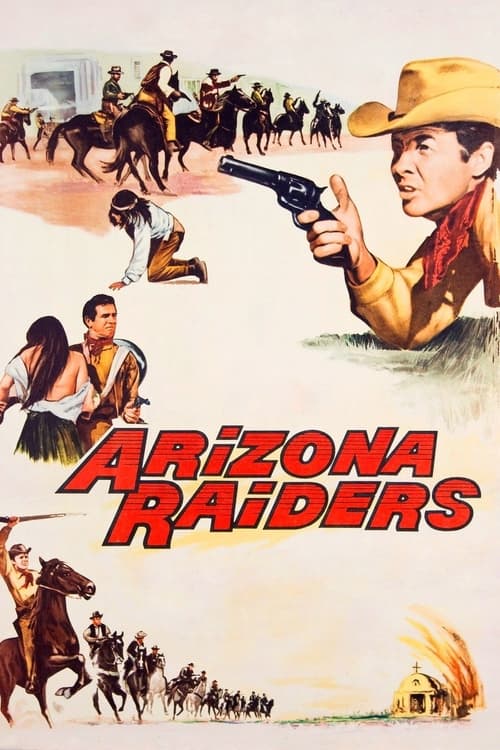
Arizona Raiders is a classic 1960s Western that upholds traditional masculine hierarchies and genre clichés. The narrative centers on male camaraderie and the restoration of order through appointed lawmen. The film reinforces established authority structures without challenging them. It relies on standard archetypes, offering limited space for diverse viewpoints or social subversion. Ultimately, the work adheres to the conventional frontier narratives of its time, emphasizing physical conflict and the hero/villain divide.
Category Breakdown
The film follows typical 1960s Western themes and does not include any characters with LGBTQ+ identities or non-cisgender traits.
Women in the film are mostly used as plot devices, such as the saloon dancer, and rarely have significant roles in driving the story.
The film sets itself in an Indian mission but portrays Indigenous characters through a conventional Western perspective, lacking detailed and nuanced depictions.
The story emphasizes traditional Western values and frontier justice, presenting the lawman as a stabilizing force for social order.
The film does not feature any characters with disabilities, focusing instead on physical prowess and combat scenarios.
Present on Screen
Limited or Absent
Official Synopsis
Murphy plays an ex-Quantrill's Raider who's released from jail with buddy Cooper to be deputized as Arizona Rangers in order to hunt down the remnant of the gang, rumored to he hiding out in a town "neer dee border" in the words of the loose-lipped saloon dancer. The goons are found hiding in an Indian mission. Murphy and Cooper pretend to want to rejoin the gang, but the bad guys catch on and brutally beat Cooper, who protects Murphy's true sentiments to the death.
1957
1966
1952
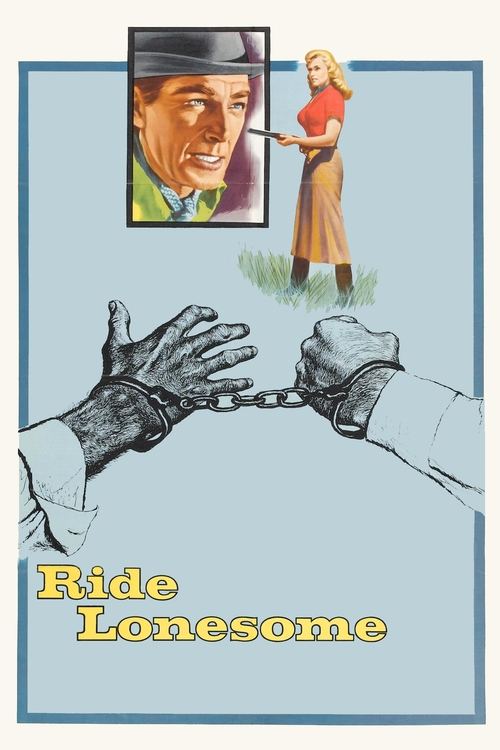
1959
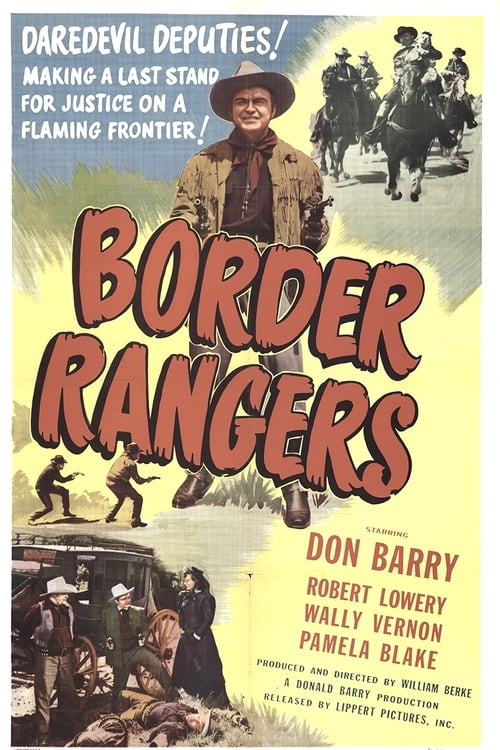
1950
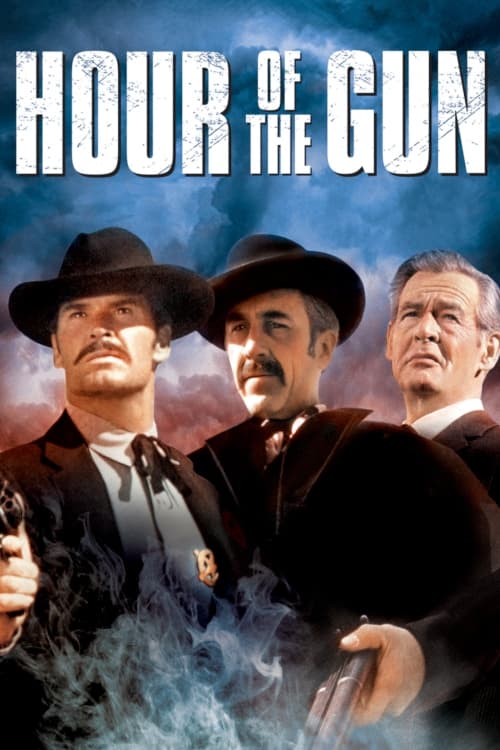
1967
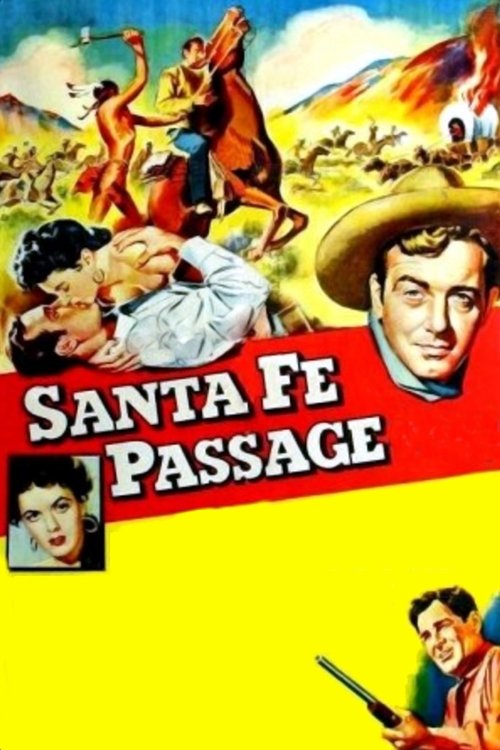
1955
1958
No reviews yet. Be the first to share your thoughts on this movie!
Use the rating form above to leave a star rating and optional review.