
Adebar
1958
No user ratings available yet
Representation score: 0.6 out of 10
Representation Score
Minimal
1958
Director
Peter Kubelka
Runtime
2 minutes
Average Rating
No ratings yetNew Showbiz Analysis
Schwechater is a work of pure formalist experimentation that prioritizes structural properties over narrative. Because it functions through rapid, near-abstract cutting, it lacks the human infrastructure required for traditional representation. The film's value lies in its subversion of the commercial medium rather than its depiction of people. It challenges the relationship between industry and creator by transforming a commissioned ad into a non-narrative experiment. Ultimately, the absence of characters, dialogue, and plot means the film cannot address diverse identities, gender, or social hierarchies.
Category Breakdown
The film is a 90-second experimental short focused on abstraction and rhythmic cutting. It lacks the character development or dialogue necessary to depict LGBTQ+ identities.
Rapid cutting and near-abstract imagery prevent the establishment of gendered roles. The film prioritizes the mechanics of perception over any gender dynamics or character's ability to drive the story.
High-contrast, washed-out images of beer froth and consumption make it impossible to identify specific racial or ethnic identities. The work does not engage with racial themes.
The film subverts traditional Western commercial values by defying the client's request. It prioritizes formalist abstraction over the capitalist utility of a standard advertisement.
The technical description and synopsis provide no evidence of characters or themes addressing physical or neurodivergent disabilities.
Present on Screen
Limited or Absent
Official Synopsis
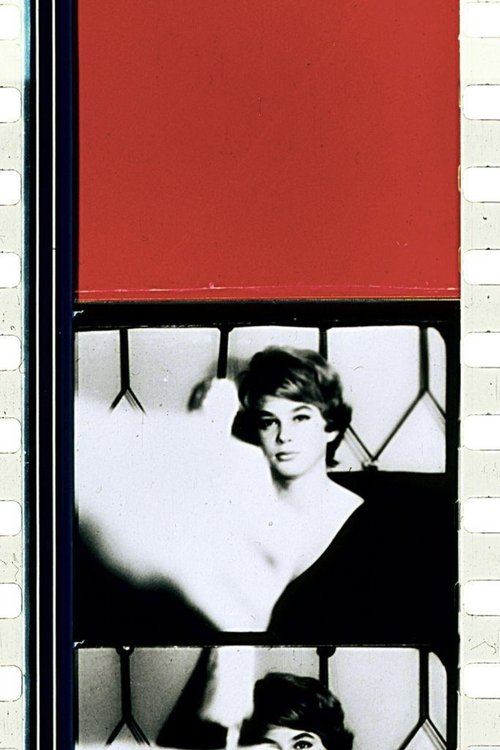
In 1957, Peter Kubelka was hired to make a short commercial for Schwechater beer. The beer company undoubtedly thought they were commissioning a film that would help them sell their beers; Kubelka had other ideas. He shot his film with a camera that did not even have a viewer, simply pointing it in the general direction of the action. He then took many months to edit his footage, while the company fumed and demanded a finished product. Finally he submitted a film, 90 seconds long, that featured extremely rapid cutting (cutting at the limits of most viewers' perception) between images washed out almost to the point of abstraction — in black-and-white positive and negative and with red tint — of dimly visible people drinking beer and of the froth of beer seen in a fully abstract pattern.
1958
1960
1971
1963
1966
1966
1966
1966
No reviews yet. Be the first to share your thoughts on this movie!
Use the rating form above to leave a star rating and optional review.