Schwechater
1958
No user ratings available yet
Representation score: 0.6 out of 10
Representation Score
Fair
1963
Director
Jack Smith
Runtime
3 minutes
Average Rating
No ratings yetNew Showbiz Analysis
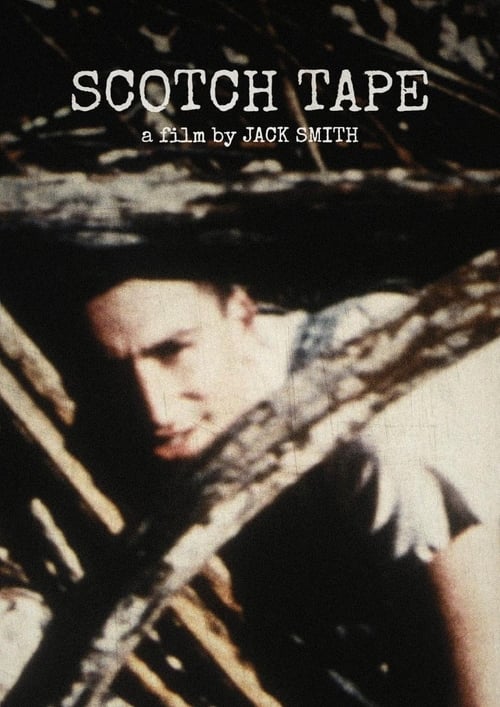
Jack Smith's short film disrupts the cinematic standards of the 1960s by emphasizing rhythmic movement and urban decay over conventional narratives. It challenges the era's moralistic tendencies by focusing on aesthetic and formal experimentation. The film successfully subverts traditional masculine roles and incorporates non-Western musical elements. However, its brevity and lack of detailed character information limit its exploration of racial and identity-based representation.
Category Breakdown
The film features three young men engaged in joyful, playful activities that suggest a departure from traditional heterosexual norms of the 1960s.
The characters reject traditional masculine roles focused on labor or stoicism. Instead, they participate in free, rhythmic play that challenges typical expectations of masculinity.
The racial makeup of the cast is not specified. However, the use of a rhumba soundtrack introduces a non-Western musical element to the film.
The film captures urban decay by showing demolished buildings. This focus on ruins highlights the impermanence of monumental structures.
There are no characters with visible or invisible disabilities in the film.
Present on Screen
Limited or Absent
Official Synopsis
Shot in 1959, Scotch Tape is Jack Smith's first film -- a joyous, three-minute romp, in color, using Peter Duchin's rhumba "Carinhoso" for its soundtrack. Three young men merrily bop through the wreckage of razed buildings at the site of what would become Lincoln Center. Apparently, Scotch Tape was never edited and, instead, was cut in the camera by Smith, combining long shots and close-ups while filming mostly from overhead. The title comes from a small strip of scotch tape that was accidentally stuck on the camera and so is visible in the lower-right corner of the frame throughout the film.
1958
1966
1971
1963
1966
1965
1960
1963
No reviews yet. Be the first to share your thoughts on this movie!
Use the rating form above to leave a star rating and optional review.