
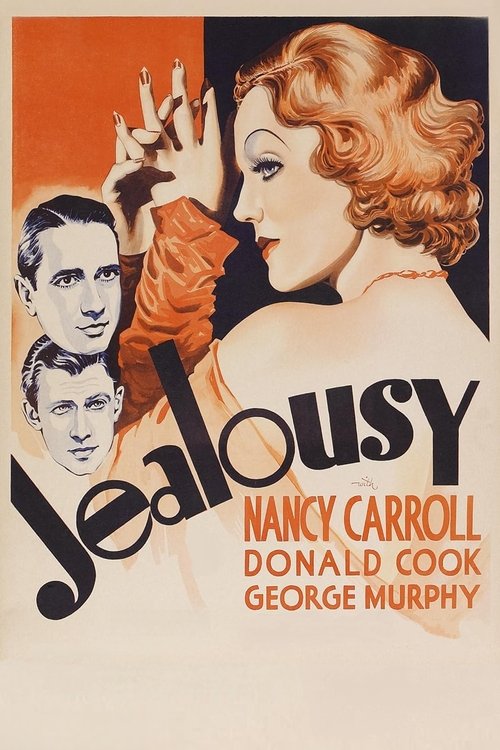
Jealousy
1953
No user ratings available yet
Representation score: 1.0 out of 10
Representation Score
Minimal
1934
ApprovedDirector
Roy William Neill
Runtime
66 minutes
Average Rating
No ratings yetNew Showbiz Analysis
Jealousy (1934) functions as a standard studio melodrama that adheres strictly to the social hierarchies of its era. The narrative relies on traditional clichés of romantic possession and male volatility to drive its tragic arc. The film offers no disruption to established norms, presenting a world centered on white-centric social milieus and straight-centered structures. It lacks multi-layered depth or any attempt to subvert the status quo. Ultimately, the production reflects the conservative social standards of the early 1930s, prioritizing individual moral drama over diverse or systemic representation.
Category Breakdown
The film follows a conventional heterosexual romantic triangle. There is no evidence of LGBTQ+ identities or same-sex intimacy within the plot.
Gender hierarchies are reinforced through Jo's role as an object of male desire. While she seeks work, her role is framed by her relationships with men.
The production features a homogeneous cast typical of the 1930s studio system. There is no indication of characters of color with significant roles.
The story operates within a traditional moral framework. It focuses on individual moral failings and legal consequences rather than systemic or cultural critique.
There is no documented evidence of characters with visible or invisible disabilities used as narrative devices.
Present on Screen
Limited or Absent
Official Synopsis
Larry O'Roark is a boxer who's insanely posssesive and jealous of his fiancee, Jo. the sight of her and her employer, Mr. Lambert, at ringside during his big fight distracts Larry and he is knocked out. He then promises never to be jealous again and marries Jo. When she realizes that they're broke she asks Lambert for a job (she had quit on marrying Larry.) One thing leads to another and Larry, enraged with jealousy, end up killing Lambert. He then wanders off in a daze, and Jo takes the rap for the murder. Larry descends from his amnesiac fog just in time to interrupt the announcement of the jury's verdict in Jo's trial. then it's off to the chair for Larry. Or is it?
1953
1938
1999
1950

1933

1945
1932
1951
No reviews yet. Be the first to share your thoughts on this movie!
Use the rating form above to leave a star rating and optional review.