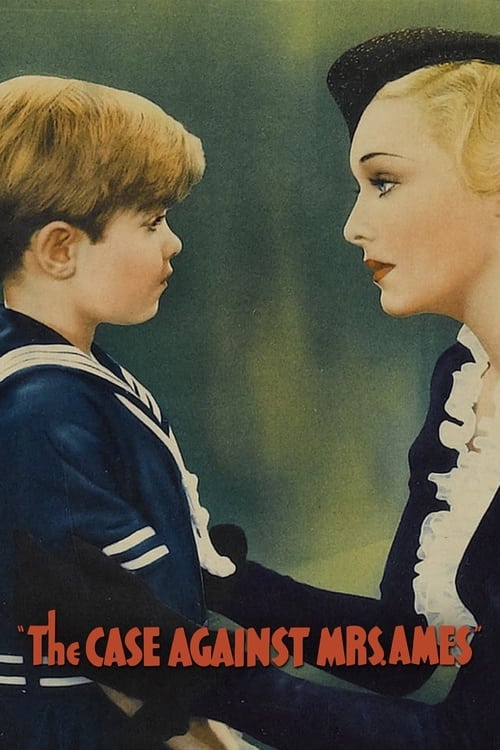
The Case Against Mrs. Ames
1936
No user ratings available yet
Representation score: 1.4 out of 10
Representation Score
Minimal
1939
ApprovedDirector
Terry O. Morse
Runtime
61 minutes
Average Rating
No ratings yetNew Showbiz Analysis
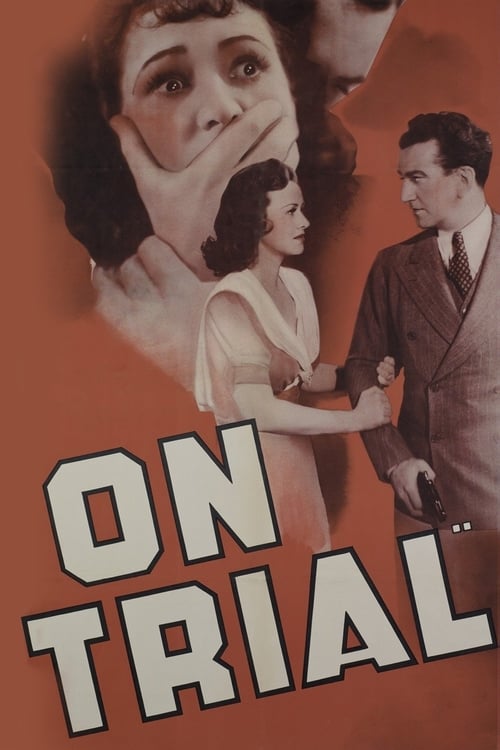
On Trial is a conventional 1939 legal drama that adheres strictly to the social norms of its time. The narrative focuses on procedural storytelling and traditional morality, offering little disruption of established social hierarchies. The film relies heavily on mid-century patriarchal clichés, particularly the concept of a man defending a woman’s honor, which limits the ability to act of female characters. This reinforces a rigid gender hierarchy without exploring more complex or progressive social dynamics. Overall, the production reflects the homogeneous and institutionalized standards of the late 1930s studio system. It lacks the intentionality needed to represent diverse identities or challenge the status quo.
Category Breakdown
The film does not include any characters with LGBTQ+ identities or those who identify outside of traditional gender norms. The story centers around traditional heterosexual relationships and gender roles.
The story reinforces traditional gender roles by depicting the wife as a passive figure needing protection. The central conflict revolves around a man defending a woman’s honor, which limits the female character's ability to act independently.
The film follows the typical casting practices of the 1930s, showing no evidence of diverse casting or characters from non-Anglo-Saxon backgrounds. There are no characters from diverse racial or ethnic backgrounds in prominent roles.
The film adheres to traditional moral frameworks and emphasizes the established institutional and moral order of the time. It does not offer a critical perspective on Western social structures.
There are no characters with visible or invisible disabilities in the narrative.
Present on Screen
Limited or Absent
Official Synopsis
An ambitious attorney (Edward Norris) tries to prove a man (John Litel) who killed to protect his wife's (Margaret Lindsay) honor was justified.
1936
1947
1935

1930
1939
1940
1929
1990
No reviews yet. Be the first to share your thoughts on this movie!
Use the rating form above to leave a star rating and optional review.