Confession
1937
No user ratings available yet
Representation score: 1.1 out of 10
Representation Score
Minimal
1935
Director
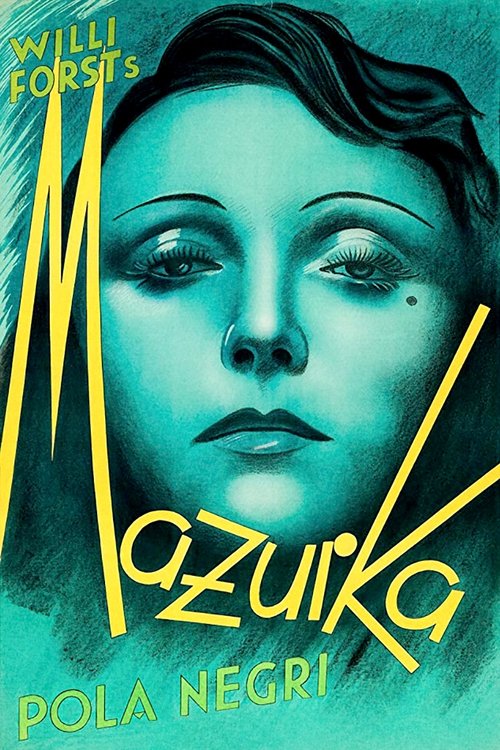
Willi Forst
Runtime
91 minutes
Average Rating
No ratings yetNew Showbiz Analysis
Mazurka is a traditional period drama that adheres to the social and moral norms of the 1930s. The plot revolves around personal melodrama and domestic turmoil rather than challenging systemic power structures. The narrative centers on a woman's response to a failed marriage, indicating a focus on traditional domestic roles. This focus restricts the film's potential for exploring diverse identities or questioning the status quo of its time. Overall, the film serves as a portrayal of individual tragedy within the context of 1930s society.
Category Breakdown
The film does not include characters with non-binary gender identities. The story follows traditional heterosexual norms typical of 1930s cinema.
The protagonist's role is closely tied to her marriage. Her actions seem to respond to domestic issues rather than challenge gender hierarchies.
The film reflects the homogeneous society of mid-1930s Europe. There is no indication of a multi-ethnic cast in the narrative.
The story focuses on traditional morality and social transgressions. It relies on established legal and social systems to resolve the main conflict.
There is no information available about the depiction of physical or neurodivergent characters in this production.
Present on Screen
Limited or Absent
Official Synopsis
A woman is put on trial for murdering a musician who ruined her marriage.
1937

1950
1932
1960
1929
1949
1933
1939
No reviews yet. Be the first to share your thoughts on this movie!
Use the rating form above to leave a star rating and optional review.