
The Marva Collins Story
1981
No user ratings available yet
Representation score: 7.1 out of 10
Representation Score
Fair
2006
TV-14Director
Edward James Olmos
Runtime
110 minutes
Average Rating
No ratings yetNew Showbiz Analysis
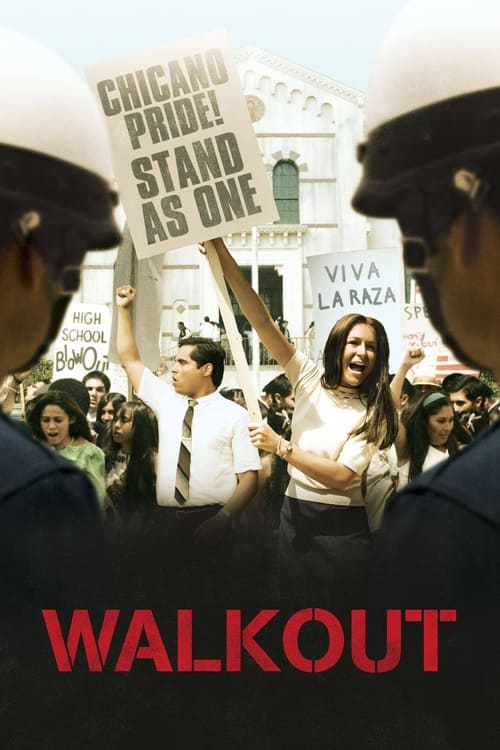
Walkout is a powerful historical reconstruction that centers the Chicano Blowouts of 1968. By focusing on Sal Castro and his students, the film successfully avoids the white savior cliché, ensuring the ability to act remains within the Mexican-American community. The film excels in its critique of institutional power, framing the struggle for educational equity as a fight against systemic oppression. This approach provides a sophisticated look at identity politics and the reclamation of ability to act by underrepresented groups. However, the film's narrow historical focus results in a lack of representation for LGBTQ+ identities and disabilities. While gender roles are nuanced, the narrative still reflects some of the social hierarchies of the 1960s.
Category Breakdown
The film does not include any explicit LGBTQ+ characters or narratives. The story focuses on the Chicano civil rights movement and ethnic identity.
Female students are shown as active and vocal participants in the walkouts, rather than passive observers. While the film avoids traditional gender clichés, it does not fully address the power dynamics of the era.
The narrative centers the Mexican-American experience and avoids the white savior cliché by giving the Chicano community ability to act. It prioritizes the perspectives of people of color to challenge Anglo-centric history.
The film critiques Western institutions, presenting school administration and police as systemic obstacles. It emphasizes the subjective truth of the underrepresented community over standardized state morality.
There is no significant focus on visible or invisible disabilities within the narrative.
Present on Screen
Limited or Absent
Official Synopsis
Walkout is the true story of a young Mexican American high school teacher, Sal Castro. He mentors a group of students in East Los Angeles, when the students decide to stage a peaceful walkout to protest the injustices of the public school system. Set against the background of the civil rights movement of 1968, it is a story of courage and the fight for justice and empowerment.
1981

2010
2000
1990

2006
2006
2009
1996
No reviews yet. Be the first to share your thoughts on this movie!
Use the rating form above to leave a star rating and optional review.