I Know Why the Caged Bird Sings
1979
No user ratings available yet
Representation score: 7.2 out of 10
Representation Score
Good
1974
TV-PGDirector
John Korty
Runtime
112 minutes
Average Rating
No ratings yetNew Showbiz Analysis
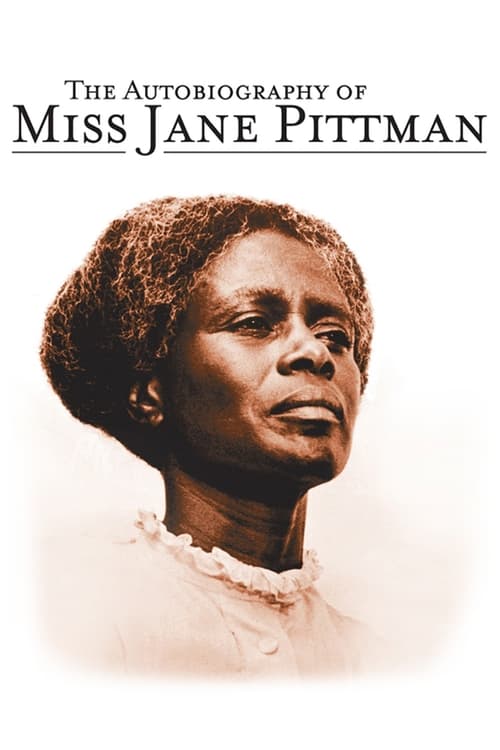
The film is a profound study of the multi-layered endurance of a Black female protagonist, dismantling traditional Western historical perspectives. By spanning a century of upheaval, it successfully shifts the focus from systemic oppressors to the ability to act of the oppressed. While the film excels in racial and gendered storytelling, it lacks representation for LGBTQ+ identities. The focus remains strictly on the racial and generational struggles within the American South. Ultimately, the work functions as a sophisticated critique of social hierarchies, using Jane Pittman's life to expose how race and class dictate survival.
Category Breakdown
The film focuses exclusively on the racial and generational struggles of the Black community. There are no LGBTQ+ characters or non-straight relationships depicted in either the historical or contemporary timelines.
Jane Pittman serves as the narrative's primary architect and moral compass. The film challenges traditional gender roles by highlighting her immense psychological strength and emotional resilience against patriarchal structures.
The production achieves high authenticity by utilizing an almost entirely Black cast. It centers the lived experiences and ability to act of people of color throughout a lineage spanning slavery to the Civil Rights Movement.
The film critiques Southern legal and religious institutions as engines of systemic oppression. It frames the civil rights struggle as a necessary disruption of a corrupt and inherently oppressive status quo.
Jane Pittman’s centenarian status provides a realistic depiction of the physical toll of aging. The narrative focuses more on her historical ability to act than on specific disability advocacy.
Present on Screen
Limited or Absent
Official Synopsis
In February, 1962, as the civil rights movement reaches Bayonne, Louisiana, a New York journalist arrives to interview Jane Pittman, who has just turned 110. She tells him her story dating back to her earliest memories before slavery ended. In between the chapters of her life, the present-day struggles of Blacks in Bayonne, urged on by Jimmy, are dramatized.
1979
1990
1999
1996

1987
1997
1999
2007
No reviews yet. Be the first to share your thoughts on this movie!
Use the rating form above to leave a star rating and optional review.