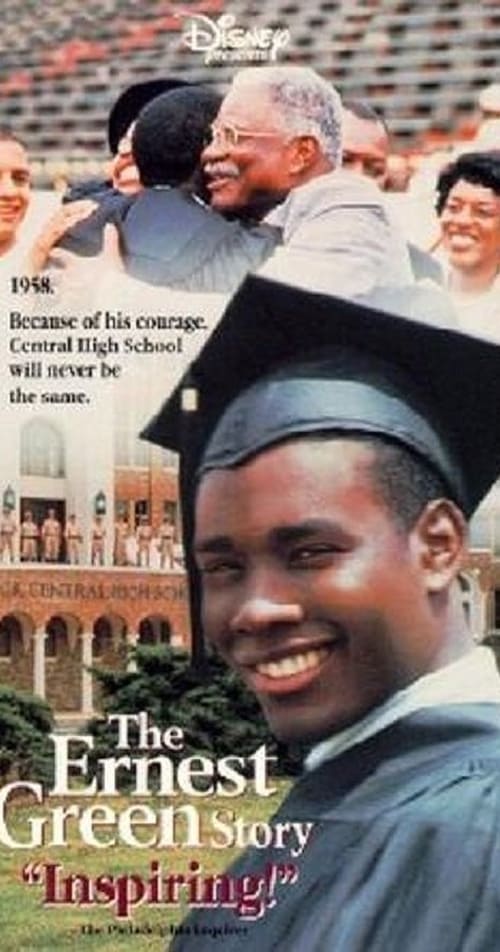
The Ernest Green Story
1993
No user ratings available yet
Representation score: 4.3 out of 10
Representation Score
Fair
1999
TV-PGDirector
Steve James
Runtime
100 minutes
Average Rating
No ratings yetNew Showbiz Analysis
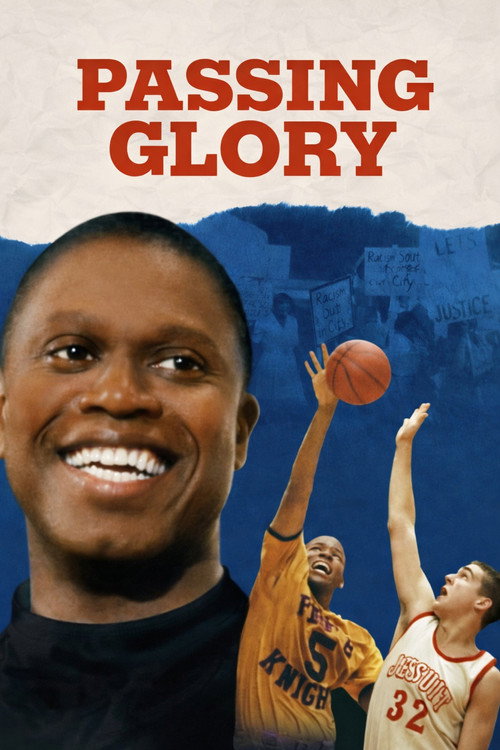
Passing Glory is a historical drama centered on the disruption of racial segregation in 1960s New Orleans. By focusing on a Black priest and his team challenging an all-white institution, the film positions characters of color as the primary agents of social change. The narrative excels in its portrayal of racial ability to act and the dismantling of segregated social hierarchies. It uses the intersection of religion and sports to critique systemic barriers and institutional structures. However, the film remains largely confined to traditional masculine spheres. The lack of visible gender diversity or LGBTQ+ representation suggests a narrow focus on the racial and religious dimensions of the era.
Category Breakdown
The film focuses on racial integration and religious leadership in 1960s New Orleans. There is no explicit evidence of LGBTQ+ character arcs or non-assuming gender matches what was assigned at birth identities within the narrative.
The story centers on male-dominated spheres, such as the priesthood and competitive athletics. It does not indicate a significant subversion of gender hierarchies or the presence of female protagonists.
The narrative actively deconstructs racial segregation by centering a Black protagonist and his team. It uses the basketball court as a space to challenge systemic segregation and racial status quo.
The film portrays religious institutions as potential vehicles for social justice rather than static enforcers. It frames the all-white prep school system as a barrier to progress.
The provided context offers no specific information regarding the depiction of physical or neurodivergent disabilities.
Present on Screen
Limited or Absent
Official Synopsis
A true story of a priest (Andre Braugher) in New Orleans who formed a group of black players and challenged an all-white prep school basketball team in the 1960's. Eventually events like these signaled the pivotal turn in the games' history leading to the integration in today's sport. Directed by Steve James (Hoop Dreams), these basketball players didn't just make shots, they made history.
1993
2006

1981
2020
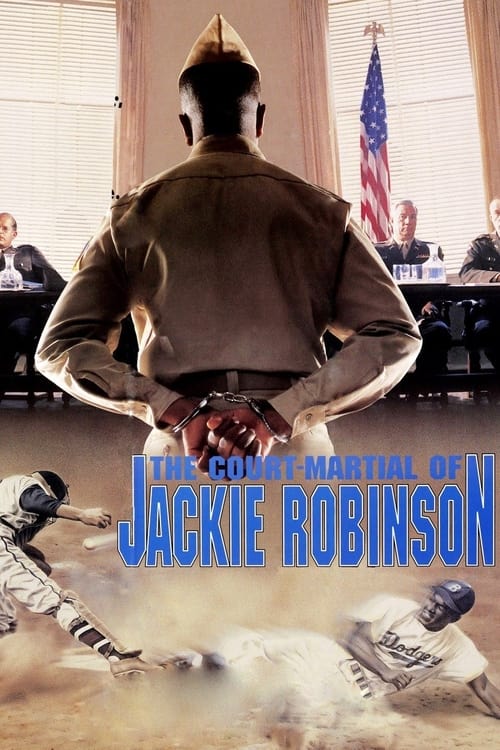
1990
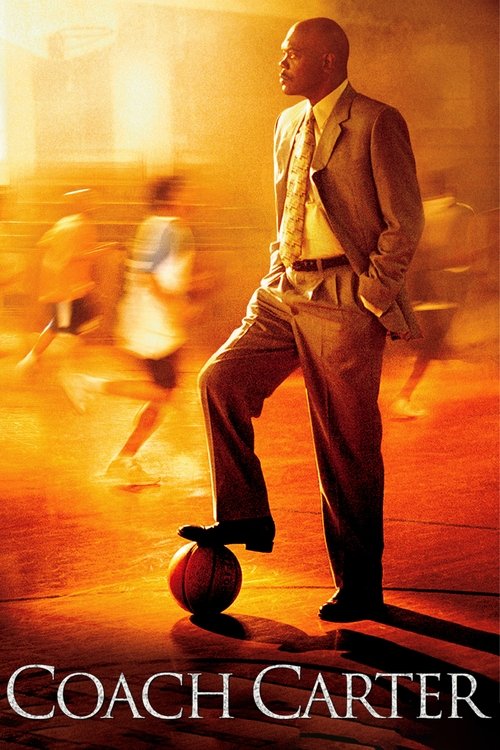
2005
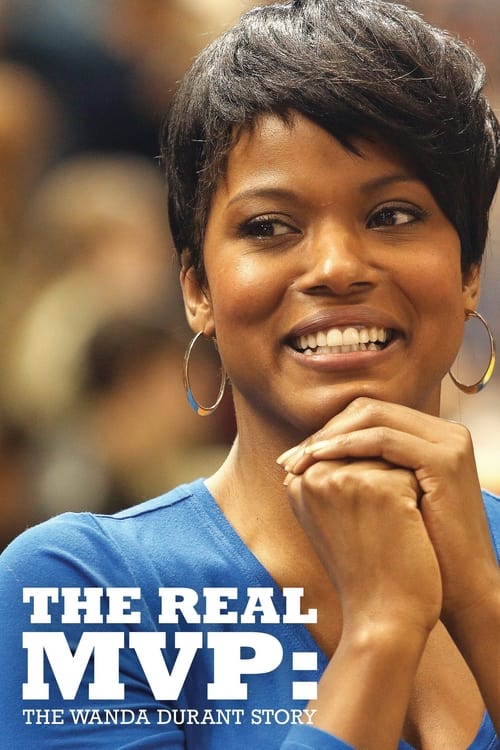
2016
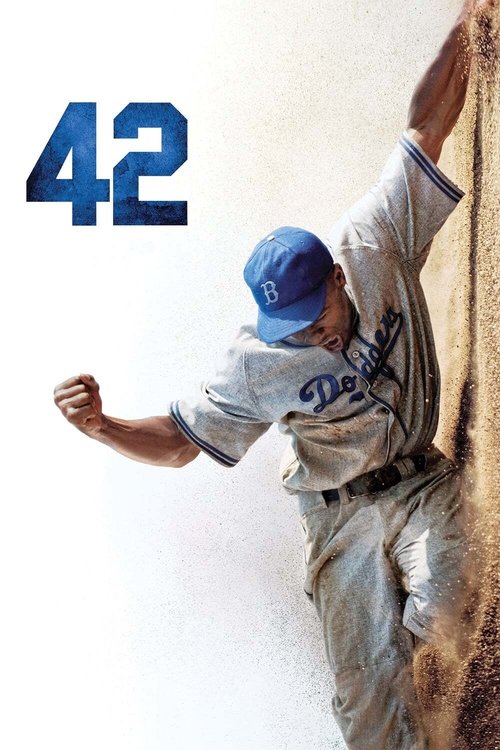
2013
No reviews yet. Be the first to share your thoughts on this movie!
Use the rating form above to leave a star rating and optional review.