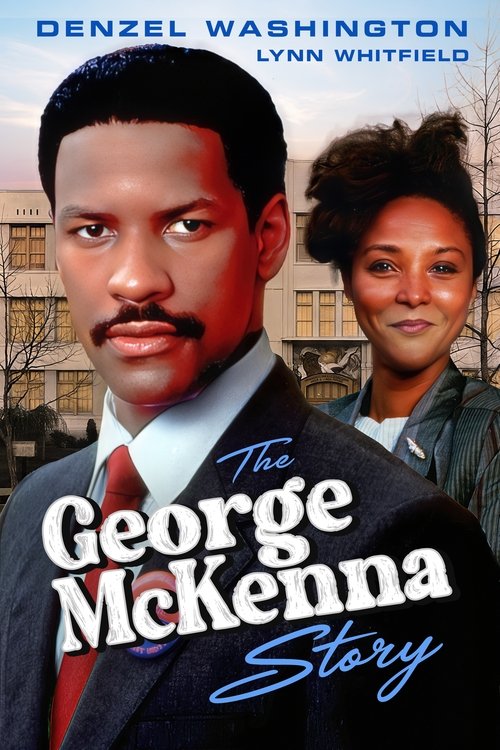
The George McKenna Story
1988
No user ratings available yet
Representation score: 2.7 out of 10
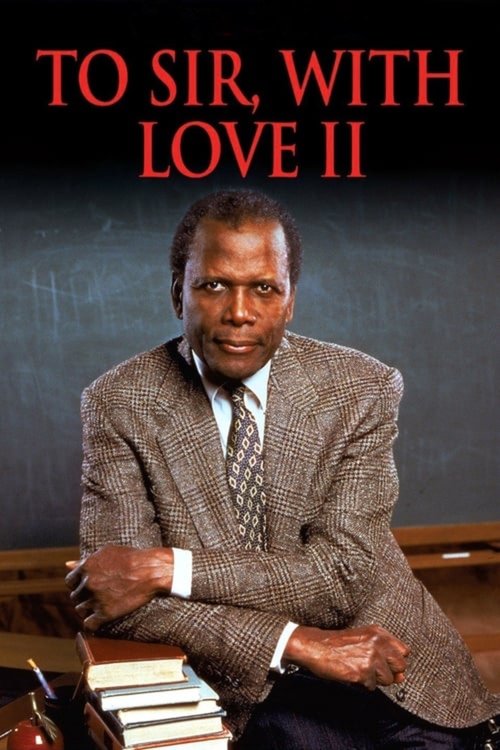
Representation Score
Good
1996
NRDirector
Peter Bogdanovich
Runtime
92 minutes
Average Rating
No ratings yetNew Showbiz Analysis
The film's primary strength lies in its strong racial representation through the casting of Sidney Poitier. This centers Black ability to act and leadership within an urban educational setting. However, the film adheres to more traditional social frameworks, lacking explicit LGBTQ+ representation and maintaining conventional gender hierarchies. While it critiques systemic institutional failures in education, it does not delve into radical political ideologies or specific disability-focused narratives.
Category Breakdown
The film does not include any LGBTQ+ character arcs or challenge the assumption that everyone is straight or cisgender.
The movie includes female characters from the original film's legacy but maintains a conventional tone without explicitly challenging gender hierarchies.
The film stands out by casting Sidney Poitier as a Black educator in an urban Chicago setting. This centers Black ability to act and intellectual leadership.
The story addresses systemic failures in underserved urban educational environments. It highlights the tension between institutional standards and underrepresented communities.
There is no significant evidence suggesting neurodivergence or physical disabilities are central to the characters. Behavioral challenges in the 'H class' remain unexplored.
Present on Screen
Limited or Absent
Official Synopsis
After thirty years teaching in London, Mark Thackeray retires and returns to Chicago. There, however, the challenge of teaching kids in an inner city school proves to be too much to resist.
1988
1967
1999

2006

2006

1987

2000

1989
No reviews yet. Be the first to share your thoughts on this movie!
Use the rating form above to leave a star rating and optional review.