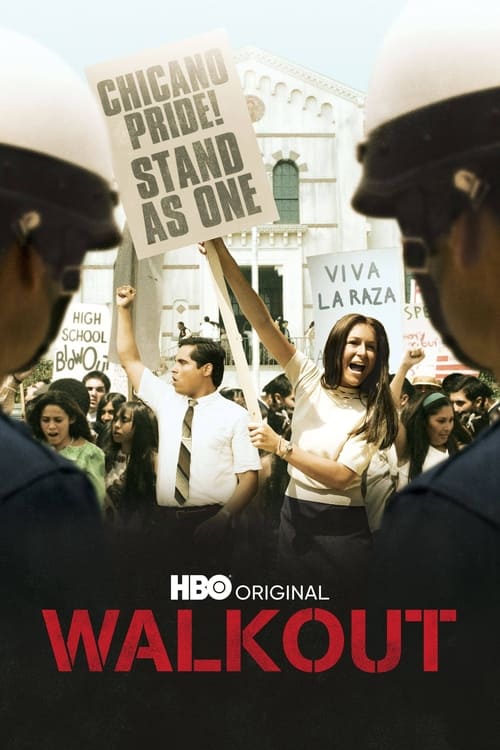
Walkout
2006
No user ratings available yet
Diversity score: 6.9 out of 10

2000
Director
Phil Alden Robinson
Runtime
112 minutes
Average Rating
No ratings yetSynopsis
Freedom Song (2000) is a made-for-TV film based on true stories of the Civil Rights Movement in Mississippi in the 1960s. It tells the story of the struggle of African Americans to register to vote in the fictional town of Quinlan. In the midst of the Freedom Summer, a group of high school students in the small town are eager to make grassroots changes in their own community. The young activists meet resistance not only from white southerners, but from their parents, who have experienced firsthand the violence that can result from speaking out.[1] As high school students band together with the support of the Student Nonviolent Coordinating Committee, they make strides in registering African-American voters and gaining awareness for their cause.
Overall Score
Good
Category Breakdown
LGBTQ+ Representation
The film focuses exclusively on the racial and civil rights struggles of the 1960s. There are no depictions of non-cisnormative gender identities or same-sex narratives present.
Gender Representation
Women are portrayed as active participants in community organizing and grassroots mobilization. While male protagonists often drive the central investigative plot, women avoid being reduced to purely passive roles.
Racial & Ethnic Diversity
The narrative centers the Black experience and grants high agency to African American characters. It focuses on the struggle of the SNCC and local communities to critique systemic racial hierarchies.
Religious & Cultural Diversity
Black religious institutions are highlighted as vital hubs for community resilience. The film also critiques the corruption within the legal and law enforcement systems of the 1960s South.
Disability Representation
There are no prominent depictions of visible or invisible disabilities that serve as central narrative drivers in this historical drama.
Strengths
Areas for Improvement
AI Analysis
Freedom Song is a historical critique that effectively centers the agency of marginalized groups. By focusing on the mechanics of social change and the pursuit of voting rights, the film provides a nuanced look at systemic inequality. The narrative succeeds in deconstructing power structures, particularly through its portrayal of the Black community's resilience. It moves beyond simple victimhood to show characters actively challenging institutional corruption. However, the film's scope is strictly bound by its historical setting. This limits the representation of identities outside the primary racial and gendered struggles of the Civil Rights Movement.
2006
1996

1998
1986

1999

2003

1987
1979
1974
2005
1987
1983
No reviews yet. Be the first to share your thoughts on this movie!
Use the rating form above to leave a star rating and optional review.