
To Sir, with Love II
1996
No user ratings available yet
Representation score: 7.3 out of 10

Representation Score
Limited
1988
Not RatedDirector
Eric Laneuville
Runtime
100 minutes
Average Rating
No ratings yetNew Showbiz Analysis
The film is a notable achievement in racial representation, successfully centering a Black protagonist in a position of power. By placing a Black protagonist in a position of authority, it disrupts common clichés found in mainstream 1980s media. However, the production is heavily anchored in the social and gender norms of its era. The narrative remains focused on traditional power structures and lacks representation for LGBTQ+ identities or significant disability themes. Ultimately, the film provides a meaningful departure from homogeneous casting, even as it adheres to the conventional gender dynamics of a period-specific television drama.
Category Breakdown
The film does not include any LGBTQ+ characters or explore non-straight identities. The story focuses solely on the protagonist's professional and social life within a traditional 1980s context.
Gender roles follow traditional hierarchies typical of 1980s procedural dramas. Women appear in family and community roles, but the narrative is driven almost exclusively by the male protagonist's journey.
The film stands out by centering a Black protagonist in a position of institutional authority. It avoids the 'white savior' cliché by focusing on Black community members and law enforcement.
The narrative critiques systemic corruption and bureaucracy within the LAPD. It promotes moral integrity and reform within existing Western institutions without deconstructing them.
There is no significant portrayal of visible or invisible disabilities within the film's narrative or thematic structure.
Present on Screen
Limited or Absent
Official Synopsis
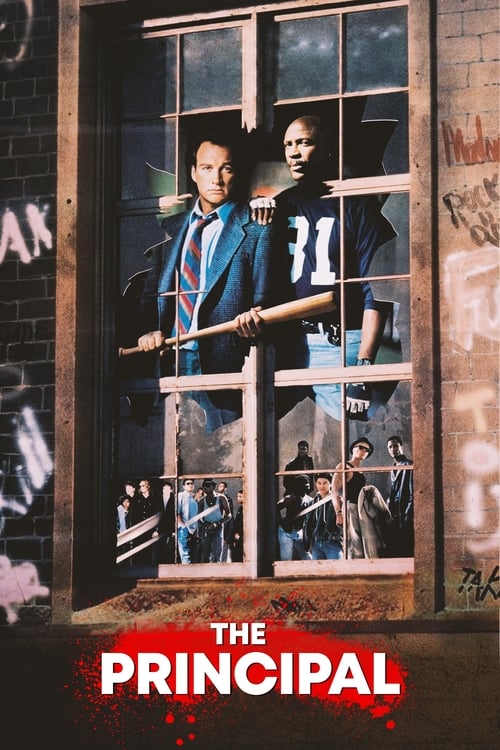
Washington plays a school principal in a tough inner city Los Angeles high school out to rid it of drugs, gangs, low moral of teachers, and restore educational values. Based on a true story.
1996

1989

1993

1955

1983

1982

1987
1987
No reviews yet. Be the first to share your thoughts on this movie!
Use the rating form above to leave a star rating and optional review.