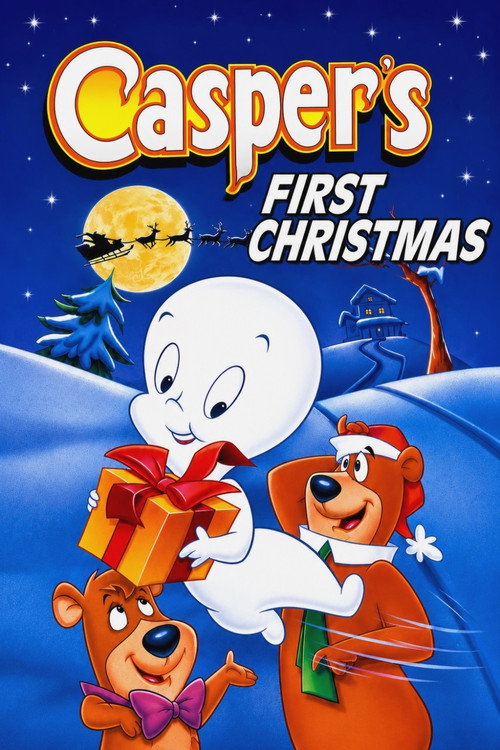
Casper's First Christmas
1979
No user ratings available yet
Representation score: 4.1 out of 10
Representation Score
Fair
1979
TV-GDirector
Carl Urbano
Runtime
25 minutes
Average Rating
No ratings yetNew Showbiz Analysis
Casper's Halloween Special functions as a traditional moral fable typical of late 1970s animation. The narrative focuses on character-driven morality and the importance of social acceptance for those who feel different. While the film touches on the theme of being accepted for who one truly is, it lacks depth in exploring multiple aspects of identity. The story adheres to conventional storytelling norms and does not engage in systemic critique. Ultimately, the production prioritizes a standard restorative justice model where communal friendship corrects mean-spirited behavior, rather than exploring complex social or identity-based dynamics.
Category Breakdown
The story centers on Casper's friendship with a group of orphans. There is no evidence of diverse sexual orientations or same-sex romantic relationships.
Winifred Witch provides a female presence among the supernatural characters. However, it is unclear if these roles challenge traditional stereotypes or simply follow established archetypes.
The narrative focuses on a homogeneous group of neighborhood kids and orphans. There is no mention of a diverse or non-Anglo-Saxon cast.
The film explores themes of social acceptance and belonging. It follows a traditional moral arc rather than critiquing Western institutions or traditional morality.
Casper’s status as a ghost serves as a metaphor for being an outsider. However, this is treated as a whimsical plot device rather than a serious exploration of being different.
Present on Screen
Limited or Absent
Official Synopsis
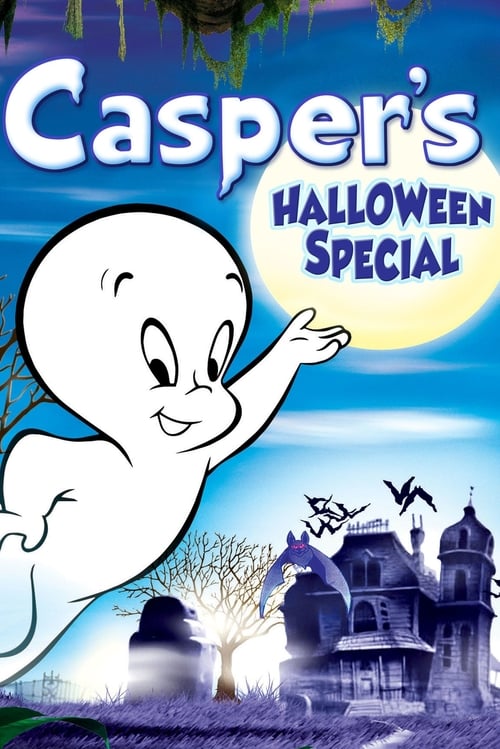
Casper tries to pass as a human child so he can trick or treat, but his ghost roommates keep haunting every person Casper tries to obtain candy from. Casper then runs into some poor, costume-less orphans who accept Casper as a ghost.
1979
1995
1959
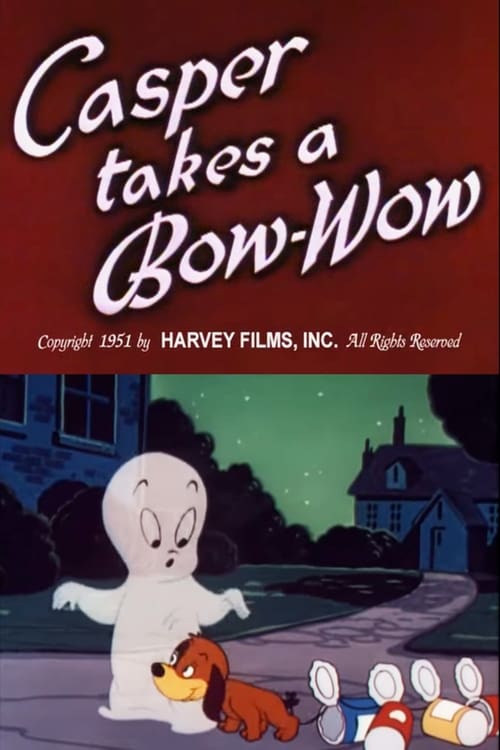
1951

1952
1949
1940
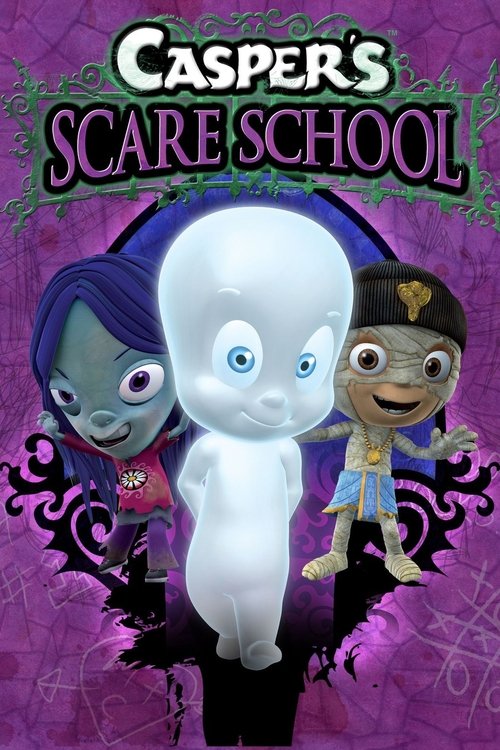
2006
No reviews yet. Be the first to share your thoughts on this movie!
Use the rating form above to leave a star rating and optional review.