The Frog
1969
No user ratings available yet
Diversity score: 3.6 out of 10
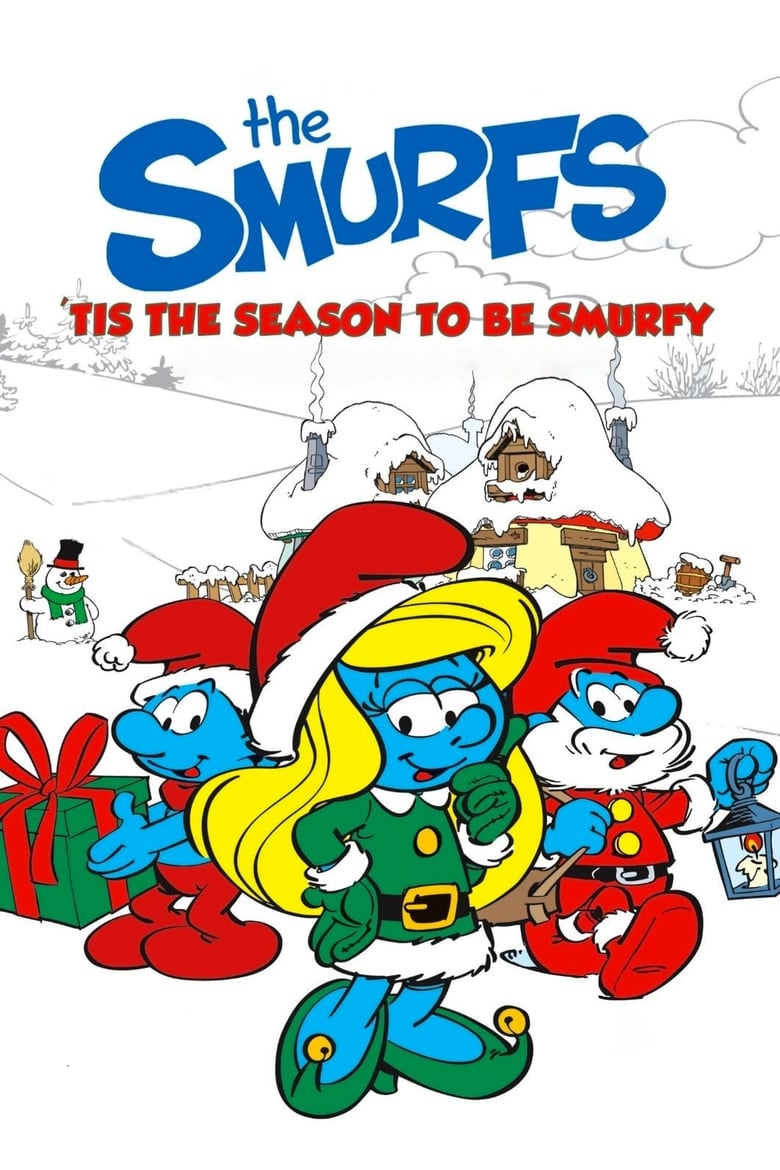
1987
Not RatedDirector
Ray Patterson
Runtime
24 minutes
Average Rating
No ratings yetSynopsis
The Smurfs learn the true meaning of Christmas when they put their own plans to the side in order to help out a poor man with a sick wife.
Overall Score
Limited
Category Breakdown
LGBTQ+ Representation
The film offers no evidence of non-cisnormative identities or same-sex intimacy. The story focuses on communal assistance within a traditional social structure.
Gender Representation
Characters often adhere to established gendered archetypes common to 1980s animation. While the Smurfs show communal agency, the social hierarchy remains largely non-disruptive.
Racial & Ethnic Diversity
The narrative centers on a homogeneous, non-human species. While the voice cast is diverse, the story lacks a complex exploration of intersecting racial or ethnic identities.
Religious & Cultural Diversity
The plot aligns with traditional Western seasonal narratives centered on altruism. It reinforces conventional values regarding community duty and respect for elders.
Disability Representation
There is no verifiable evidence regarding the portrayal of physical, sensory, or neurodivergent characters in this production.
Strengths
Areas for Improvement
AI Analysis
This production functions as a character-driven episodic comedy that relies heavily on mid-to-late 20th-century animation tropes. The narrative focuses on communal cooperation and helping an elderly human couple, which reinforces traditional social cohesion. The film lacks the intentionality required to engage with complex intersectional identities or disrupt conventional social hierarchies. It operates within a standard framework of its era, prioritizing simple moral lessons over subversive storytelling. While the voice talent provides variety, the story itself remains centered on a singular, unified community. This results in a narrative that avoids challenging systemic power dynamics or exploring diverse cultural perspectives.
1969
1951
1964
1979
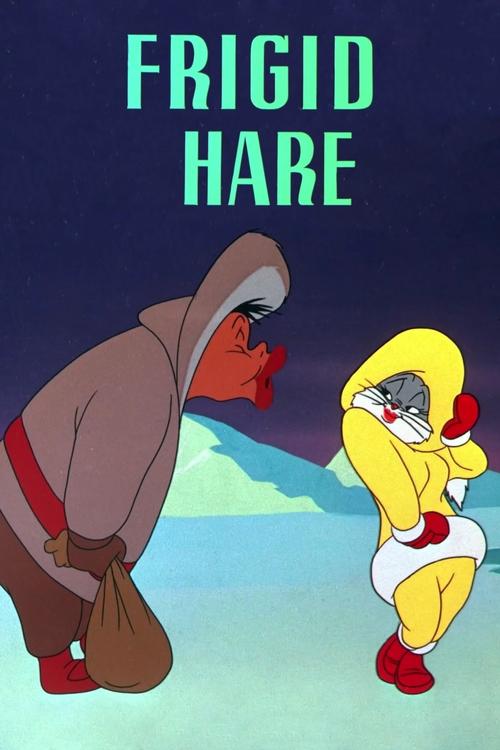
1949
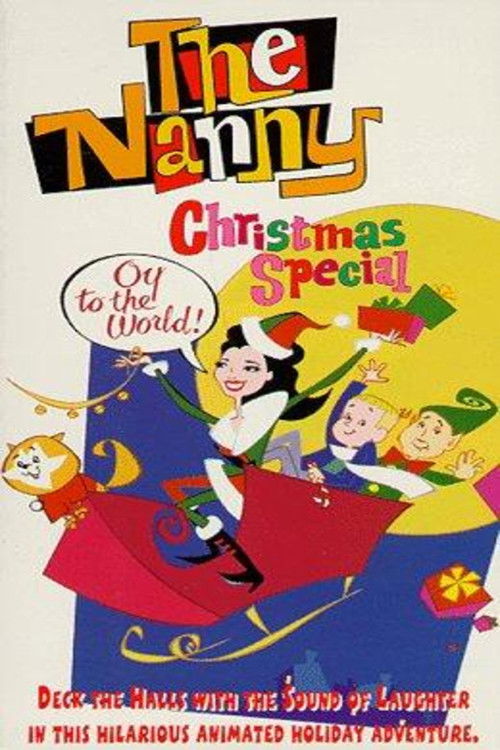
1995
1970
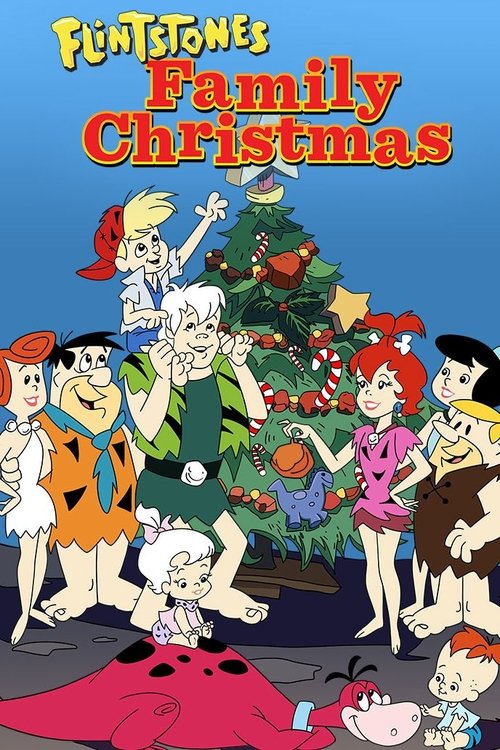
1993
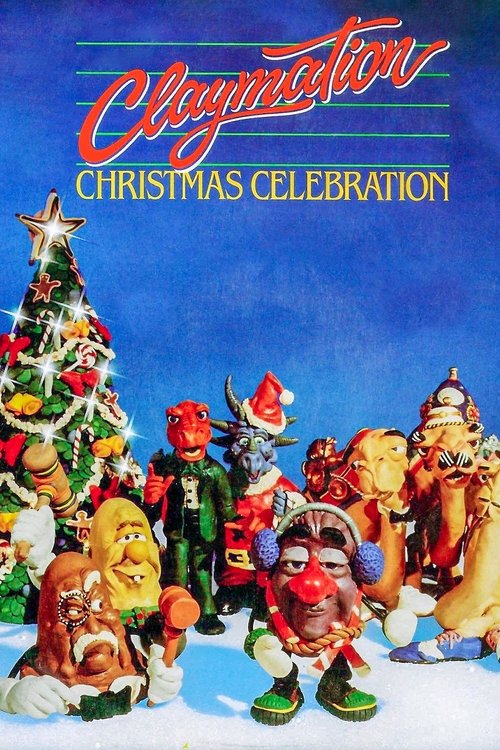
1987
2008
1961
1958
No reviews yet. Be the first to share your thoughts on this movie!
Use the rating form above to leave a star rating and optional review.