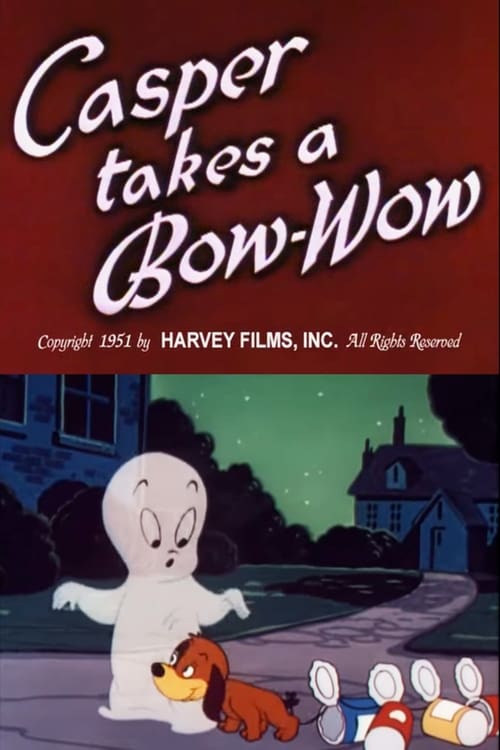
Casper Takes a Bow-Wow
1951
No user ratings available yet
Representation score: 1.9 out of 10
Representation Score
Minimal
1955
ApprovedDirector
Izzy Sparber
Runtime
6 minutes
Average Rating
No ratings yetNew Showbiz Analysis
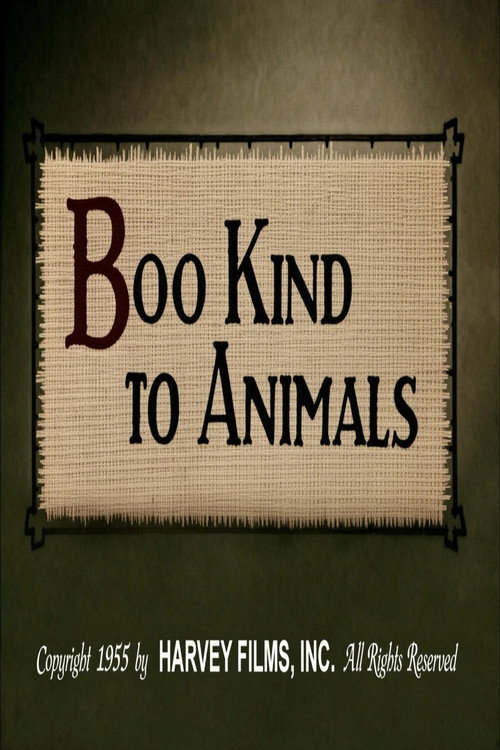
Boo Kind to Animals is a mid-century animated short that adheres to the conventional clichés of its time. The plot centers on a simple, character-driven comedy featuring Casper the Friendly Ghost and Spunky the Donkey. Since the characters are anthropomorphic, the film avoids complex social or racial issues. Instead, it emphasizes traditional themes of social integration and finding one’s place through productive work. Ultimately, the film serves as a typical piece of mid-century entertainment. It lacks the structural complexity or intentionality needed to offer meaningful characters who reflect more than one aspect of diversity or disrupt established social hierarchies.
Category Breakdown
The film does not include any characters with non-traditional gender identities. It focuses on a standard anthropomorphic comedy.
The story revolves around a friendship between a ghost and a donkey, relying on traditional gender roles without challenging them.
The use of anthropomorphic characters sidesteps discussions about race. The film presents a homogeneous, Western-centric viewpoint typical of 1950s animation.
The narrative follows a conventional moral storyline emphasizing social utility and productivity. It upholds traditional values without questioning institutions.
There is no information available regarding the depiction of physical, sensory, or neurodivergent traits in this short.
Present on Screen
Limited or Absent
Official Synopsis
Casper the Friendly Ghost helps Spunky the Donkey find a useful job.
1951
1952
1955
1948
1954
1953
1949
1935
No reviews yet. Be the first to share your thoughts on this movie!
Use the rating form above to leave a star rating and optional review.