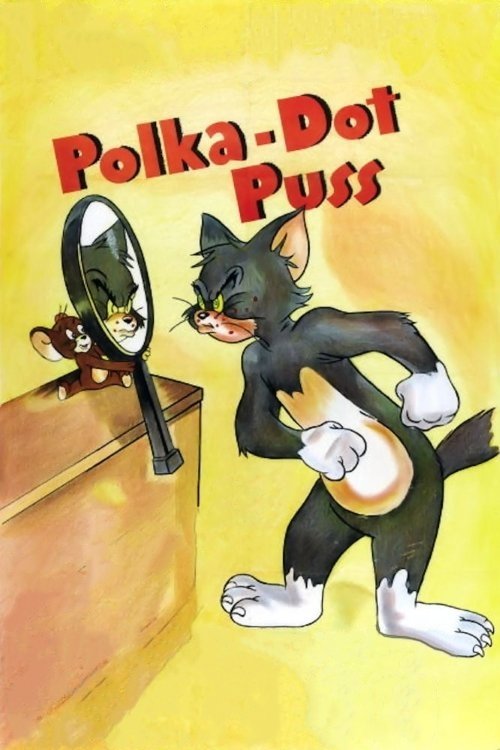
Polka-Dot Puss
1949
No user ratings available yet
Representation score: 1.9 out of 10

Representation Score
Limited
1942
NRDirector
William Hanna, Joseph Barbera
Runtime
7 minutes
Average Rating
No ratings yetNew Showbiz Analysis
Fraidy Cat is a quintessential product of the 1940s studio system, prioritizing high-energy physical humor over complex social narratives. The film relies on archetypal character dynamics that do not challenge or represent underrepresented identities. The animation focuses on a singular, slapstick-driven conflict between Tom and Jerry. Because the characters are anthropomorphic animals, the film avoids human racial and gendered complexities, resulting in a neutral but unrepresentative framework. Ultimately, the work functions as a vehicle for comedy rather than a medium for social exploration. It adheres to the era's standard storytelling clichés without attempting to disrupt traditional social hierarchies.
Category Breakdown
There are no LGBTQ+ characters or explorations of non-cisgender identities in the film. The story focuses on a cat-and-mouse conflict driven by fear.
The story revolves around a binary conflict between two animal protagonists. It lacks any meaningful portrayal of women's ability to drive the story or subversion of traditional gender roles.
The use of anthropomorphic animals de-emphasizes human racial dynamics. However, the cast relies on homogeneous archetypes typical of the 1940s.
The plot follows a conventional comedic structure centered on a radio broadcast. It does not engage with systemic critiques or diverse cultural institutions.
Tom's psychological distress is used strictly as a slapstick comedic device. The film avoids any nuanced portrayal of mental health or neurodivergence.
Present on Screen
Limited or Absent
Official Synopsis
Tom hears a ghost story on the radio and is spooked by it; Jerry notices this and takes advantage of it, using a variety of tricks to scare Tom.
1949
1947
1944
1948
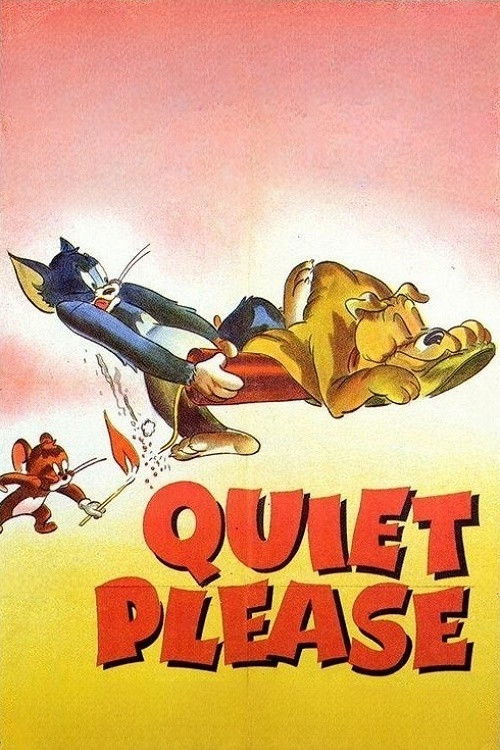
1945
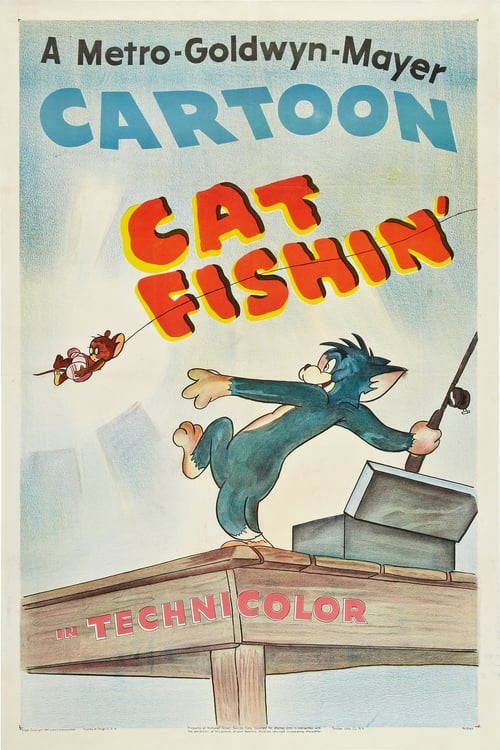
1947
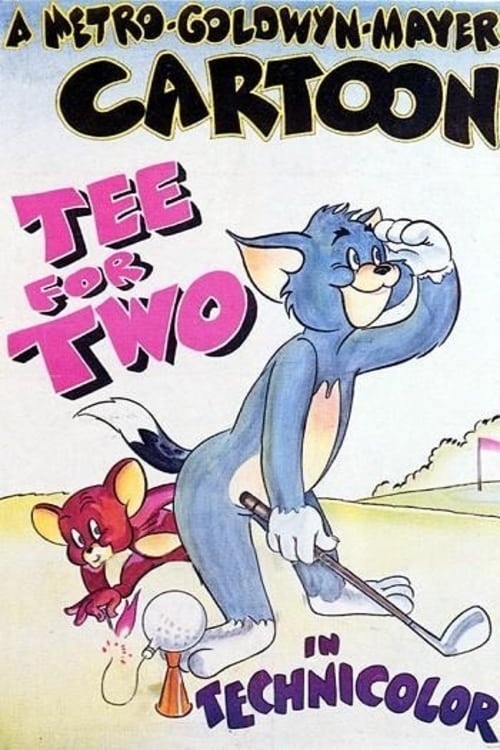
1945
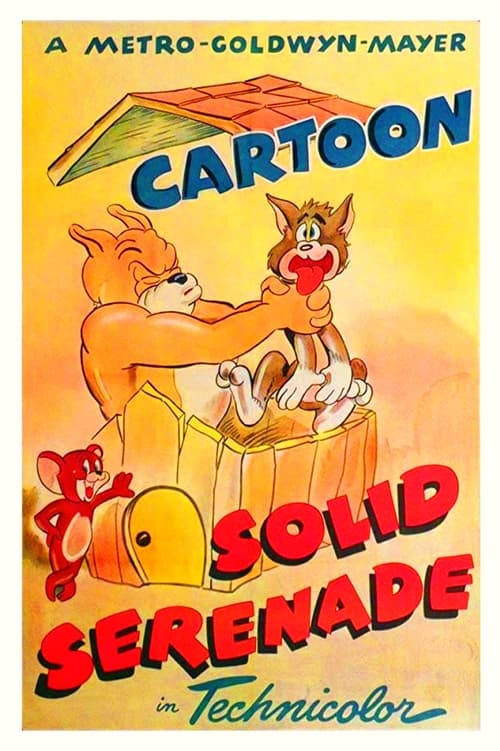
1946
No reviews yet. Be the first to share your thoughts on this movie!
Use the rating form above to leave a star rating and optional review.