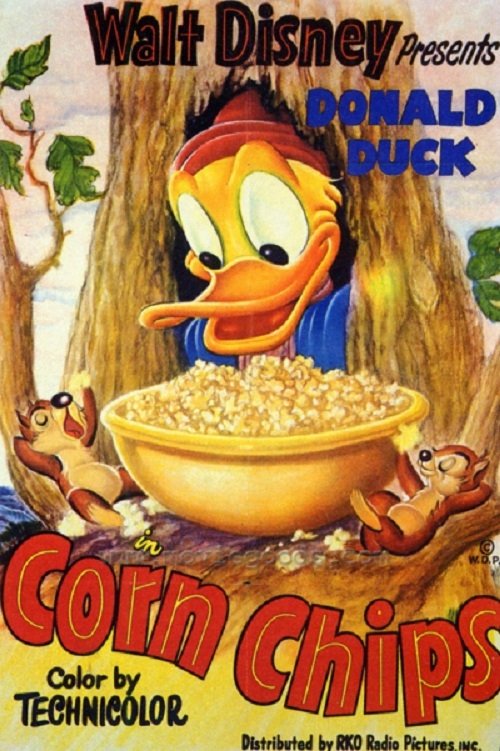
Corn Chips
1951
No user ratings available yet
Representation score: 0.1 out of 10

Representation Score
Minimal
1952
NRDirector
Jack Hannah
Runtime
8 minutes
Average Rating
No ratings yetNew Showbiz Analysis
Trick or Treat is a classic example of its time, serving as a traditional comedic short. The narrative relies on well-known character clichés and maintains a conventional mid-century Western perspective. It does not aim to challenge social norms or explore multiple layers of diversity.
Category Breakdown
The film centers on Donald Duck, his nephews, and a witch. There are no representations of non-straight identities or discussions about the assumption that everyone is straight or cisgender.
The witch functions as a supernatural force rather than challenging traditional gender roles. The story follows typical archetypes common in the early 1950s.
The setting and characters reflect a homogeneous, mid-century Western style. There is no indication of racial diversity or non-Anglo-Saxon casting.
The narrative revolves around traditional Halloween celebrations. It upholds a conventional family setting without engaging broader cultural critiques.
None of the characters are shown with visible or invisible disabilities. They are all portrayed as typical, able-bodied cartoon figures.
Present on Screen
Limited or Absent
Official Synopsis
When the nephews come to Donald's house in their Halloween costumes he dumps water on them and laughs at his trick. A witch sees this and decides to help the kids. By magic she gives Donald a bad time and the kids finally get their treats.
1951
1948
1954
1956

1952
1953
1954
1954
No reviews yet. Be the first to share your thoughts on this movie!
Use the rating form above to leave a star rating and optional review.