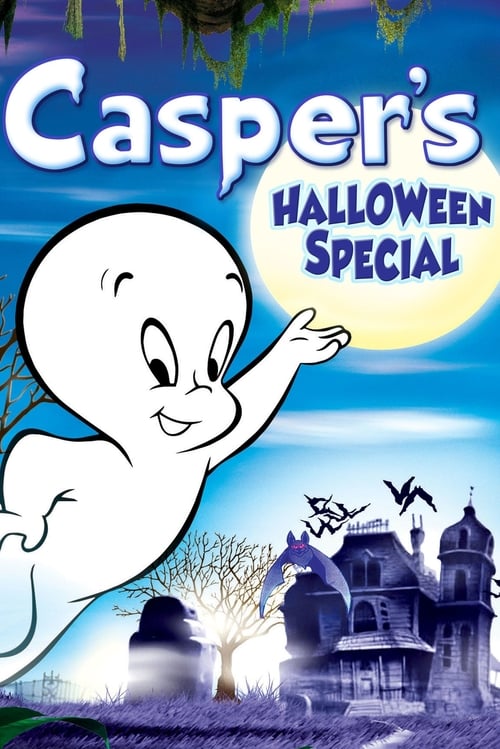
Casper's Halloween Special
1979
No user ratings available yet
Diversity score: 3.5 out of 10
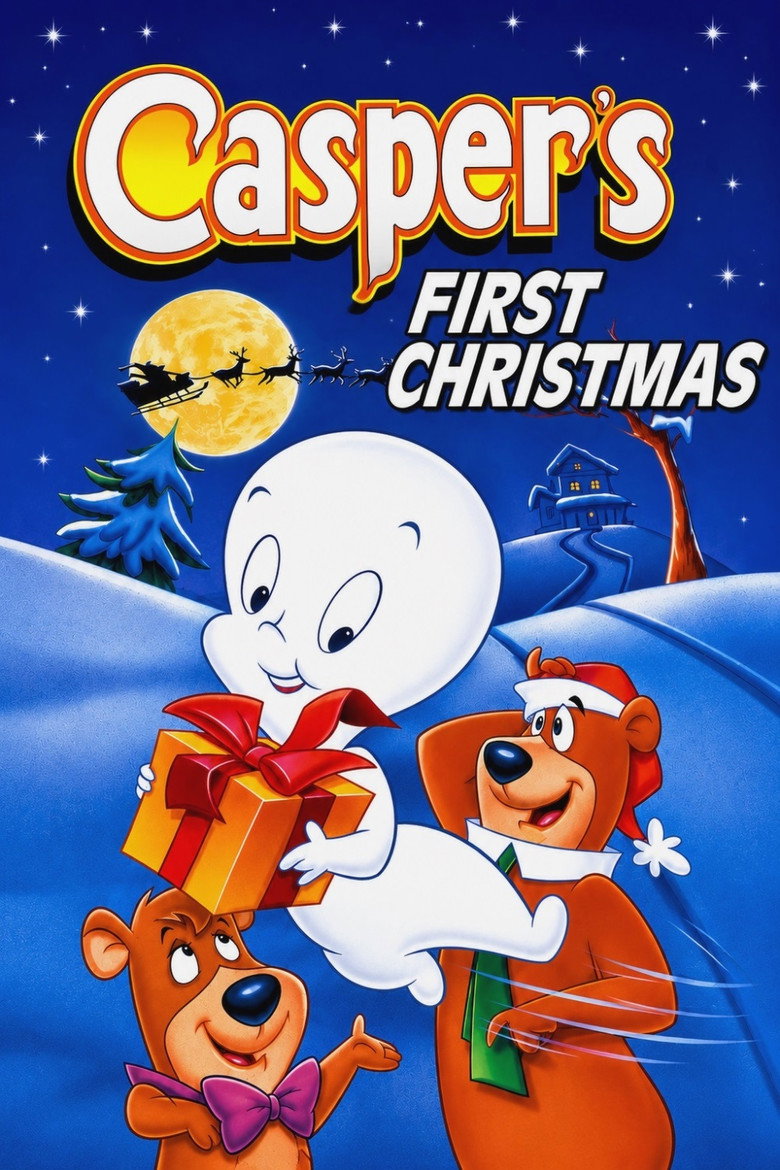
1979
GDirector
Carl Urbano
Runtime
24 minutes
Average Rating
No ratings yetSynopsis
Yogi Bear, Boo Boo, Huckleberry Hound and their friends get lost and decide to spend Christmas by vising Casper, the friendly ghost. But soon they encounter a not-so-friendly ghost.
Overall Score
Limited
Category Breakdown
LGBTQ+ Representation
The film lacks LGBTQ+ characters or narratives. It focuses on classic cartoon archetypes that prioritize traditional social structures.
Gender Representation
The cast relies heavily on traditional masculine archetypes like Yogi Bear. There is no evidence of female characters driving the plot.
Racial & Ethnic Diversity
The story uses anthropomorphic animals rather than human characters. These figures do not serve as vehicles for racial or ethnic diversity.
Religious & Cultural Diversity
The narrative centers on a traditional Western Christmas celebration. It reinforces conventional holiday values through a standard good versus evil trope.
Disability Representation
No characters possess visible or invisible disabilities. The cast functions strictly as standard comedic archetypes without neurodivergent or physical impairments.
Strengths
Areas for Improvement
AI Analysis
Casper's First Christmas is a genre-standard animated crossover that prioritizes nostalgia and escapism. The film relies on established Hanna-Barbera characters to drive a seasonal plot, which limits the opportunity for diverse representation. The narrative architecture follows predictable holiday tropes and traditional character dynamics. It functions as a piece of late-1970s television animation designed for broad family appeal rather than social commentary. Ultimately, the film lacks intersectional identities or the subversion of social hierarchies, reflecting the conventional production values of its era.
1979
1949

1952
1987

1942
1980
1987
1959
1955
1955
1957
1948
No reviews yet. Be the first to share your thoughts on this movie!
Use the rating form above to leave a star rating and optional review.