Casper Takes a Bow-Wow
1951
No user ratings available yet
Representation score: 1.9 out of 10
Representation Score
Minimal
1953
ApprovedDirector
Seymour Kneitel
Runtime
7 minutes
Average Rating
No ratings yetNew Showbiz Analysis
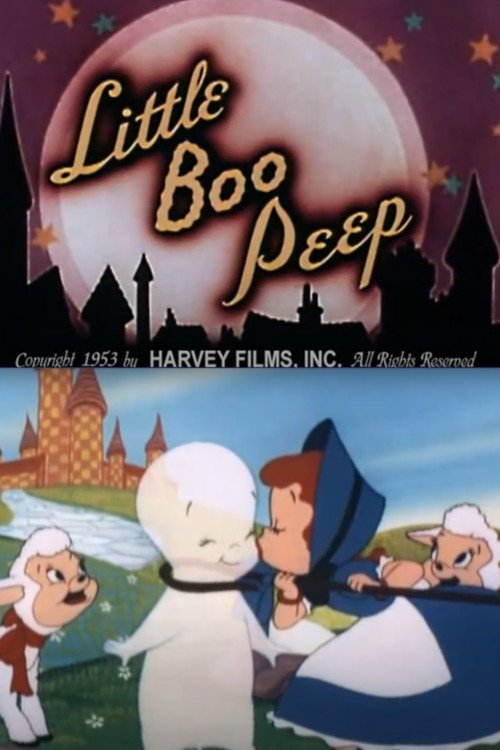
This 1953 short is a product of the mid-century studio system, prioritizing character-driven comedy and traditional folklore over social complexity. The narrative follows a linear path of rejection and refuge, focusing on Casper's friendly nature within a whimsical landscape. The film adheres to the era's standard production values, which favored established archetypes. Consequently, the work lacks characters who reflect more than one aspect of diversity, instead leaning into the conventional storytelling and Eurocentric aesthetics common to the period's animation.
Category Breakdown
The film does not depict any non-straight relationships or same-sex intimacy. The story centers on Casper's interactions within a traditional fairy tale setting.
Little Bo Peep is portrayed through a traditional archetype of vulnerability and domesticity. The narrative relies on folklore clichés rather than providing independent women's ability to drive the story.
The setting reflects a homogeneous, Eurocentric aesthetic typical of 1950s animation. There is no evidence of racial blending or diverse ethnic identities in the narrative.
The story operates within a conventional moral framework centered on individual kindness. It avoids critiques of Western institutions or complex social commentary in favor of whimsical escapism.
There are no characters depicted with visible or invisible disabilities. No such identities are utilized as part of the plot or character development.
Present on Screen
Limited or Absent
Official Synopsis
Casper, the Friendly Ghost, is thrown out of The Frightening Army by its Unfiendly Ghost's members, and wander on over to Fairy Tale Land, where he finds Little Bo Peep crying over her lost sheep.
1951
1959
1949
1954
1955
1955
1958
1936
No reviews yet. Be the first to share your thoughts on this movie!
Use the rating form above to leave a star rating and optional review.