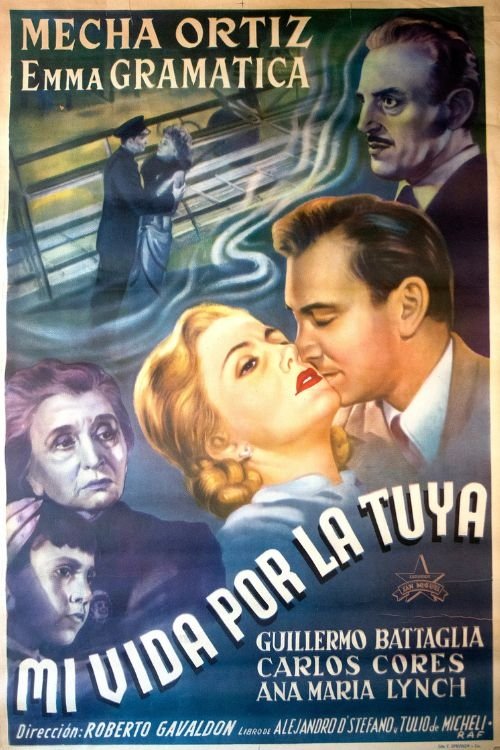
My Life for Yours
1951
No user ratings available yet
Diversity score: 3.2 out of 10
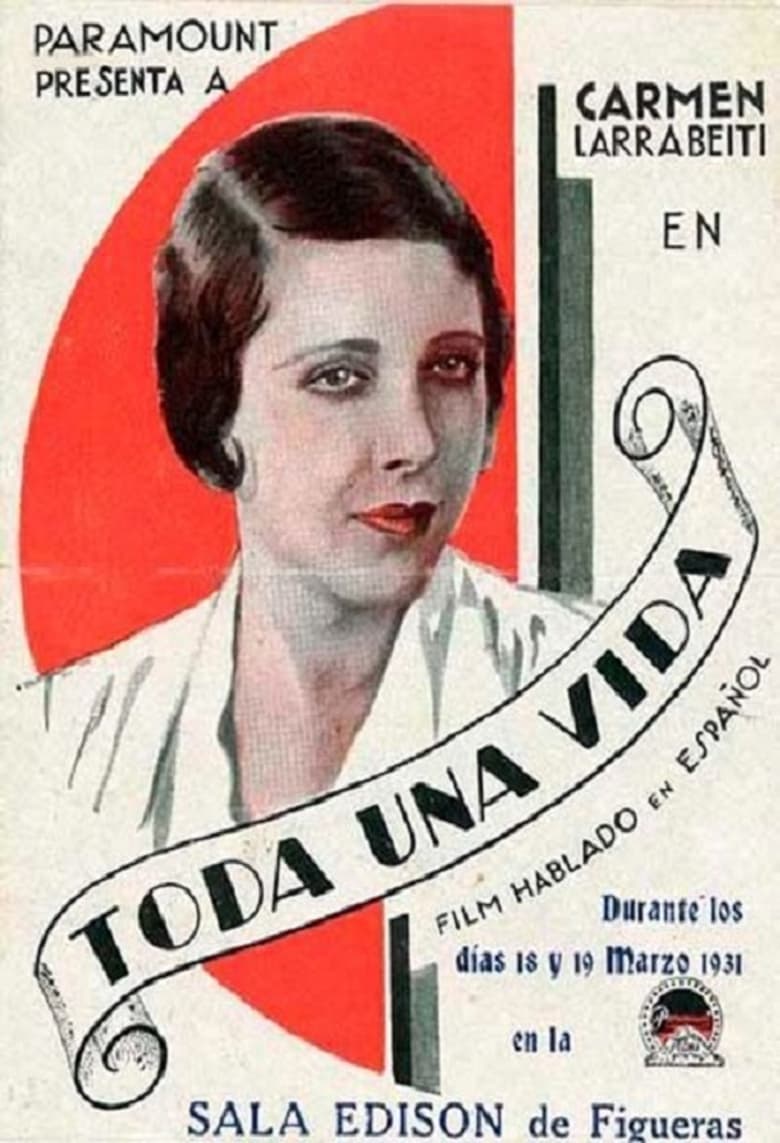
1930
PassedDirector
Adelqui Migliar
Runtime
86 minutes
Average Rating
No ratings yetSynopsis
After years of abusing his wife, a ne'er-do-well husband disappears with their son--and winds up selling him to a wealthy family. Years later, the wife, now a world-famous opera singer, finally has enough time and money to begin a search for him. Spanish language version of the 1930 film "Sarah and Son".
Overall Score
Limited
Category Breakdown
LGBTQ+ Representation
The film lacks any evidence of non-cisnormative identities or same-sex intimacy. It follows a conventional heteronormative structure centered on a traditional nuclear family.
Gender Representation
The female protagonist subverts passive tropes by achieving professional autonomy as a famous opera singer. However, the central conflict remains tied to traditional domestic roles and family dynamics.
Racial & Ethnic Diversity
The production reflects the demographic homogeneity of 1930s Spanish-language cinema. The narrative focuses on class distinctions between wealthy families and struggling individuals rather than ethnic intersectionality.
Religious & Cultural Diversity
The story utilizes classical dramatic morality and high-society tropes. It focuses on themes of familial loss and redemption without offering secularist or anti-Western critiques.
Disability Representation
There are no visible or invisible disabilities depicted within the character arcs or the central plot.
Strengths
Areas for Improvement
AI Analysis
A Whole Life is a period drama that operates within the traditional social and cinematic frameworks of 1930. While it lacks modern intersectional depth, it offers a nuanced look at female agency through its protagonist's professional success. The film's primary focus is on class struggle and the reclamation of family, which limits its scope regarding racial and LGBTQ+ diversity. It adheres to the conventional storytelling norms of its era. Ultimately, the film serves as a study of personal perseverance and domestic upheaval rather than a vehicle for diverse social representation.
1951
1916

1958
1950

1971

1951
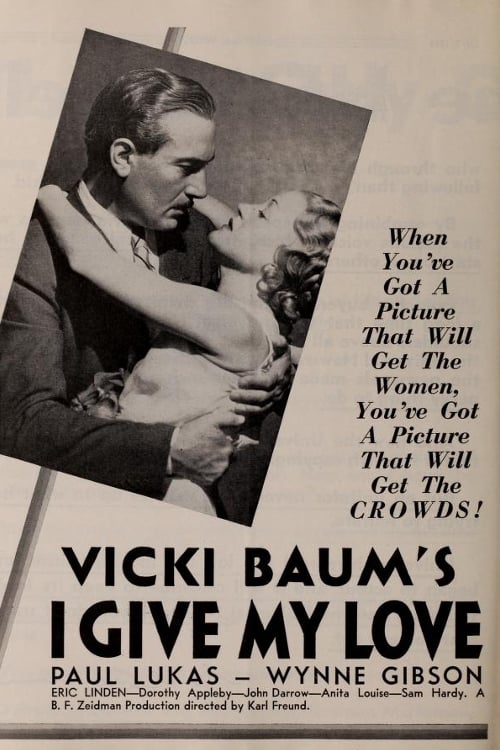
1934
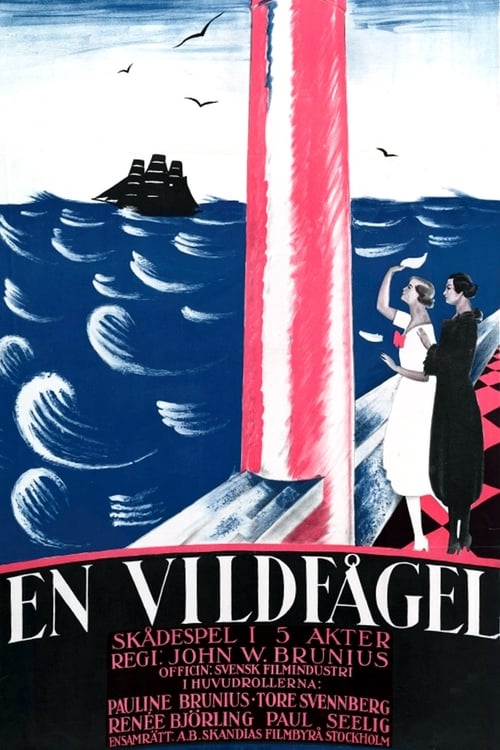
1921
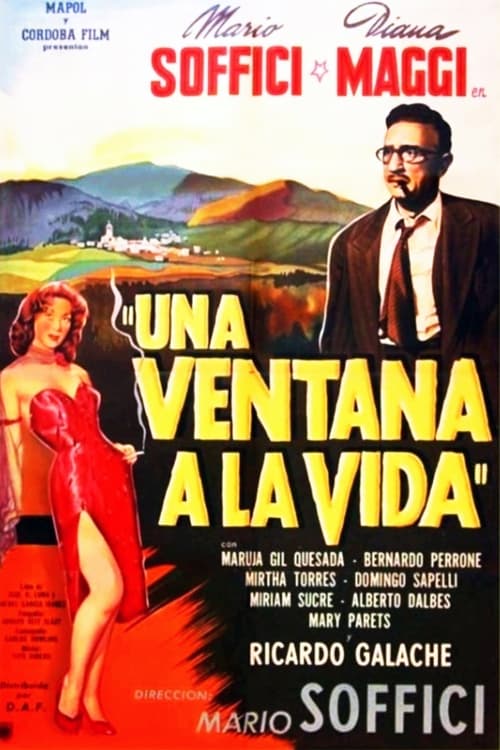
1953
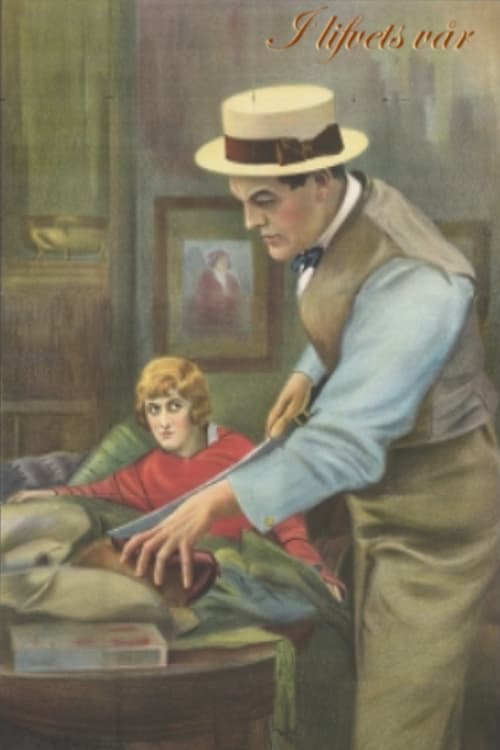
1912

1949
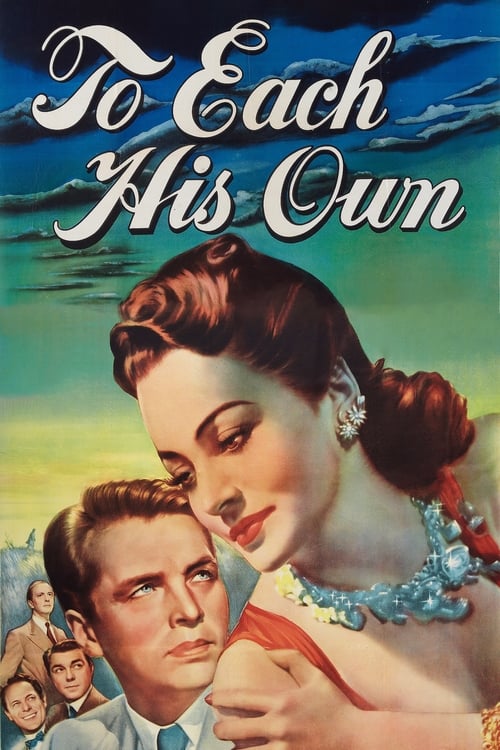
1946
No reviews yet. Be the first to share your thoughts on this movie!
Use the rating form above to leave a star rating and optional review.