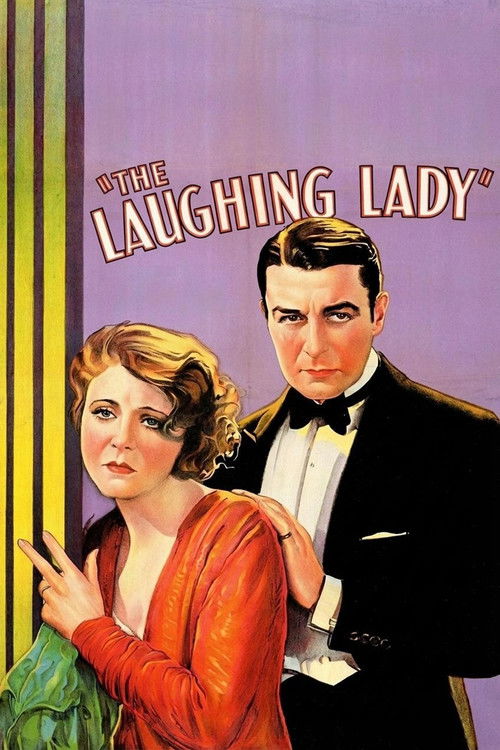
The Laughing Lady
1929
No user ratings available yet
Representation score: 1.9 out of 10
No Poster Available
Representation Score
Minimal
1936
ApprovedDirector
Phil Rosen
Runtime
66 minutes
Average Rating
No ratings yetNew Showbiz Analysis
Tango is a traditional 1930s drama that adheres to the social hierarchies of its time. The narrative centers on a woman's struggle for survival after being abandoned by her husband, yet the plot remains tied to conventional gender roles and patriarchal actions. The film lacks complexity in its portrayal of identity, focusing instead on a standard domestic melodrama. It does not attempt to challenge systemic structures or provide representation for underrepresented identities, reflecting the era's homogeneous production standards. Ultimately, the film functions as a period piece that explores economic hardship through a narrow, traditional lens without broader social critique.
Category Breakdown
The film centers on a heterosexual marriage crisis and does not include any queer subtext or non-cisgender identities.
A woman struggles economically after being abandoned by her husband. She shows resilience through work, but the plot is driven by her husband's actions.
The film likely reflects the homogeneous, Anglo-centric casting standards prevalent in 1936. There is no evidence of diverse casting.
The story explores domestic instability and economic destitution through a conventional moral trajectory typical of 1930s melodramas.
There is no information available regarding the inclusion of characters with physical or neurodivergent disabilities.
Present on Screen
Limited or Absent
Official Synopsis
Believing his wife to be unfaithful, a husband deserts her and his child. Destitute, the woman is forced to take a job as a tango dancer.
1929
1920
1935

1930
1930
1928
1932

1932
No reviews yet. Be the first to share your thoughts on this movie!
Use the rating form above to leave a star rating and optional review.