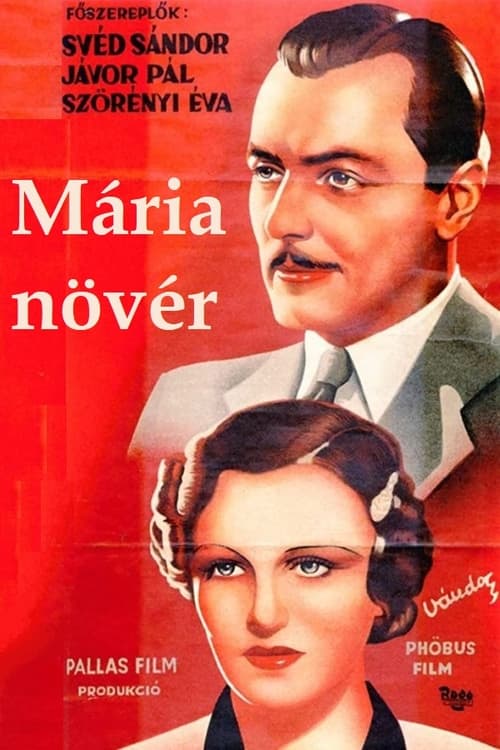
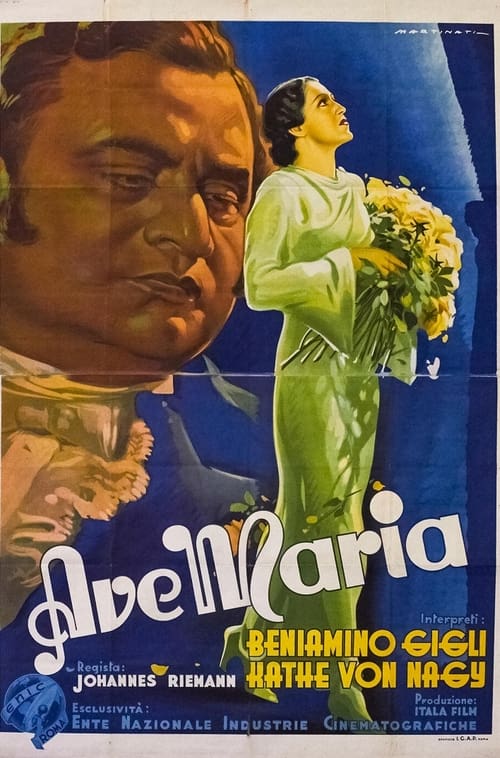
Sister Maria
1937
No user ratings available yet
Representation score: 1.9 out of 10
Representation Score
Minimal
1936
Director
José Luis Sáenz de Heredia
Runtime
79 minutes
Average Rating
No ratings yetNew Showbiz Analysis
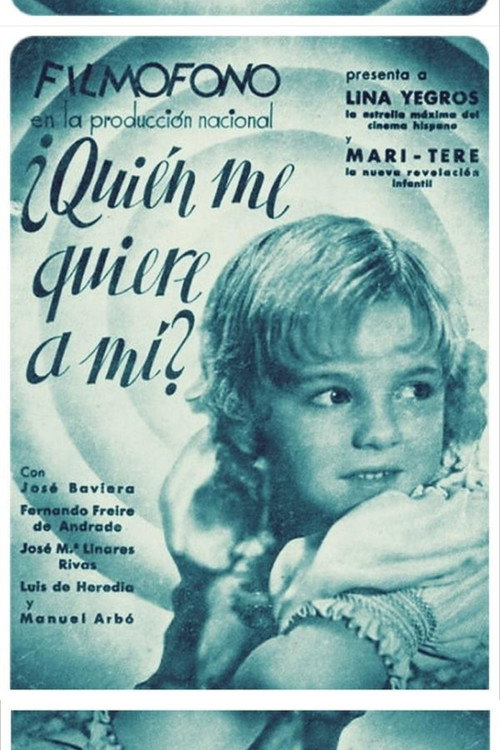
Who Loves Me? is a classic example of 1930s Spanish cinema, reflecting the conservative social norms of its time. The film prioritizes clear narrative structure and traditional themes over any challenge to existing social hierarchies. The central conflict revolves around the tension between professional success and marital stability. By portraying a woman's career as a threat to her marriage, the film reinforces traditional gender roles. Overall, the film lacks complexity in representing various aspects of identity. It functions as a period-specific drama that upholds established social norms without challenging them.
Category Breakdown
The film does not include any queer narratives or non-traditional gender identities.
The story focuses on a female protagonist, but her role is limited by traditional gender expectations. She sacrifices her career to save her marriage, reinforcing traditional gender roles.
The film depicts a homogeneous social environment typical of its era. There is no evidence of diverse ethnic backgrounds or non-white casting.
The narrative emphasizes the importance of the nuclear family and social norms. It promotes traditional Western institutions as the main moral guide.
There is no information available regarding the portrayal of characters with physical or neurodivergent disabilities.
Present on Screen
Limited or Absent
Official Synopsis
In order to save her marriage, the famous soprano Marta Vélez decides to retire from the stage.
1937

1930

1948
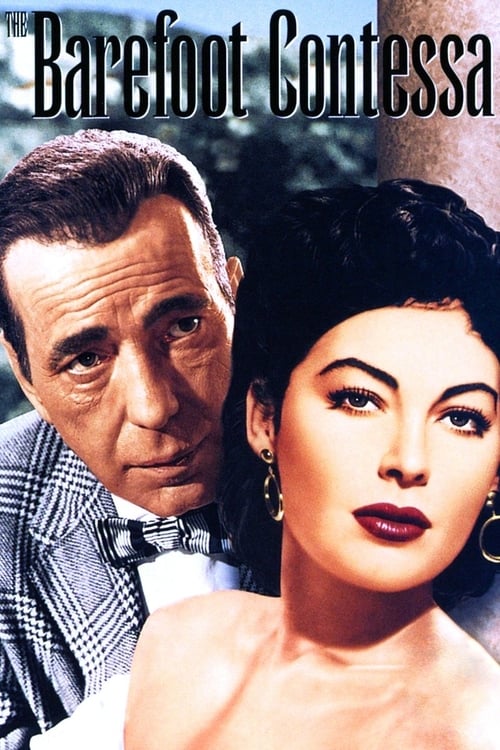
1954
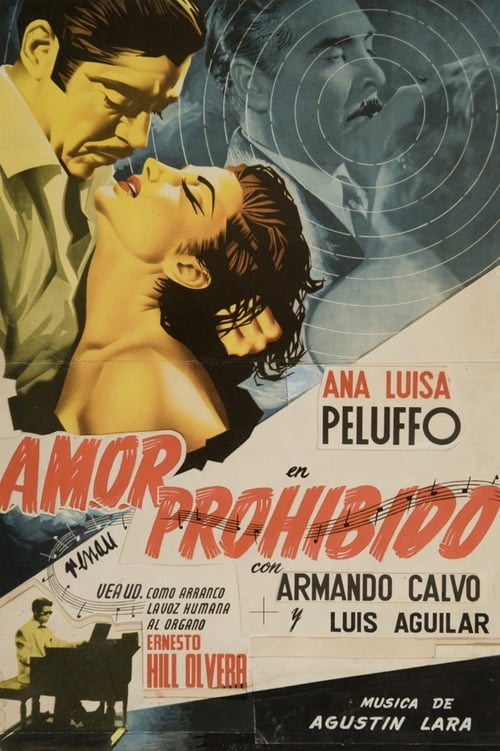
1956

1954
1936
1958
No reviews yet. Be the first to share your thoughts on this movie!
Use the rating form above to leave a star rating and optional review.