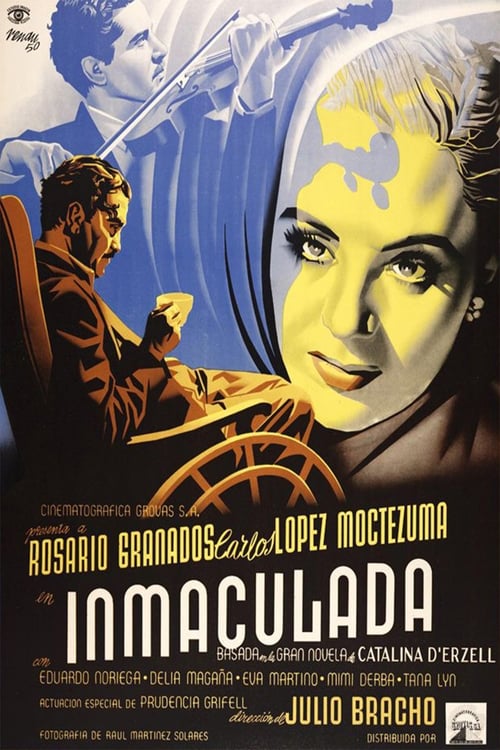
Inmaculada
1950
No user ratings available yet
Representation score: 1.8 out of 10
Representation Score
Minimal
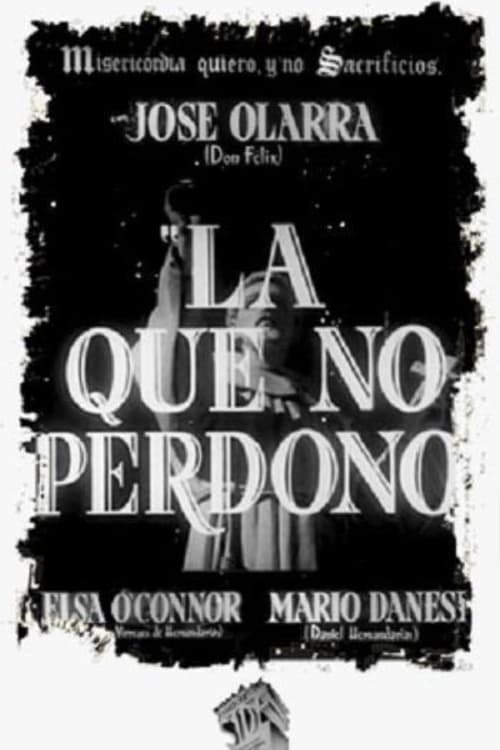
1938
Director
José A. Ferreyra
Runtime
98 minutes
Average Rating
No ratings yetNew Showbiz Analysis
La que no perdonó is a period-specific melodrama that relies on traditional clichés of domestic instability and romantic tragedy. While the central conflict is driven by female characters, the narrative ultimately adheres to the social constraints and gendered hierarchies of 1930s cinema. The film operates within a framework of classical melodrama, focusing on the tension between individual desire and familial expectations. It does not attempt to disrupt institutional norms or present progressive social perspectives. Because the production is rooted in the era's standard dramatic structures, it lacks the intentional subversion of social or identity-based norms required for a higher diversity rating.
Category Breakdown
The film does not include any characters with non-straight or non-cisgender identities. The plot revolves around a traditional, troubled family unit.
The story centers on female suffering and maternal influence. However, the daughter remains a passive figure, forced into a loveless marriage due to circumstances.
The film likely reflects the demographic realities of 1930s Argentina. There is no evidence of intentional racial diversity or diverse casting.
Themes of forced marriage and despair align with classical melodramatic clichés. The narrative reinforces traditional domestic stability and moral consequences.
There is no information regarding characters with physical or neurodivergent traits in this production.
Present on Screen
Limited or Absent
Official Synopsis
A mother takes her husband away from her daughter; the first falls into misery and this is forced to marry a man who does not love.
1950
1920
1957
1935
1953
1938
1943
1943
No reviews yet. Be the first to share your thoughts on this movie!
Use the rating form above to leave a star rating and optional review.