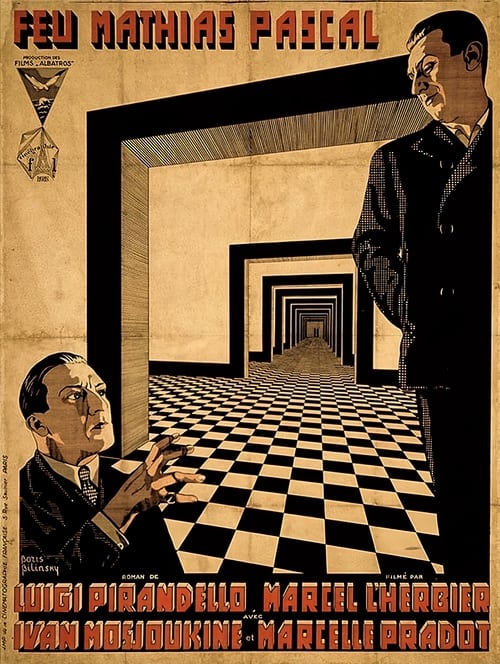
The Late Mathias Pascal
1925
No user ratings available yet
Diversity score: 4.2 out of 10

1930
NRDirector
Dorothy Arzner
Runtime
86 minutes
Average Rating
No ratings yetSynopsis
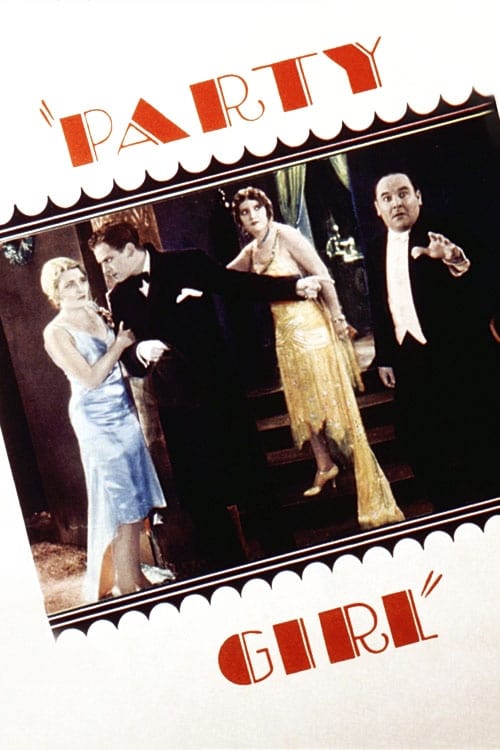
A ne'er-do-well husband, after years of abusing his wife, disappears with their son, and winds up selling him to a wealthy family. Years later, the wife, now a world-famous opera singer, finally has enough time and money to begin a search for him.
Overall Score
Fair
Category Breakdown
LGBTQ+ Representation
The film lacks explicit evidence of LGBTQ+ characters or non-heteronormative identities. The narrative focuses on a fractured nuclear family structure.
Gender Representation
Sarah's arc from an abused wife to a world-famous opera singer disrupts traditional hierarchies. She moves from passive victimhood to high-agency professional success, reclaiming her autonomy through talent.
Racial & Ethnic Diversity
The film appears to follow the homogeneous casting standards of 1930s Hollywood. There is no evidence of a diverse cast or non-white protagonists.
Religious & Cultural Diversity
The story critiques the stability of the domestic institution by depicting a husband who commodifies his own child. It emphasizes individual self-actualization over traditional familial duty.
Disability Representation
There is no indication of characters with physical or neurodivergent disabilities within the narrative.
Strengths
Areas for Improvement
AI Analysis
Dorothy Arzner’s direction provides a progressive framework that centers female agency. While the film is limited by the era's demographic homogeneity, it excels in subverting gendered tropes of victimhood. The narrative replaces the 'damsel in distress' with a woman who achieves economic and social power through professional mastery. This shift makes the protagonist the primary driver of the plot. However, the film remains rooted in a traditional family structure, offering little in the way of racial or LGBTQ+ representation typical of its production period.
1925

1930
1937
1934
1930
1940

1932
1932

1931
1992

1935

1933
No reviews yet. Be the first to share your thoughts on this movie!
Use the rating form above to leave a star rating and optional review.