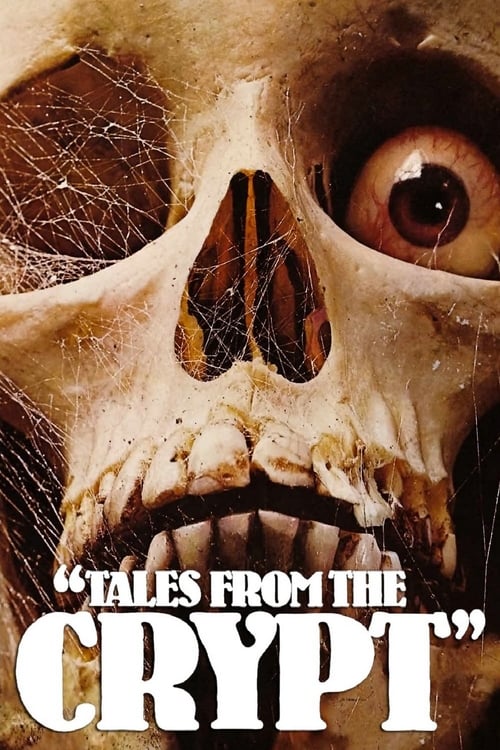
Tales from the Crypt
1972
No user ratings available yet
Representation score: 2.4 out of 10
Representation Score
Minimal
1973
RDirector
Roy Ward Baker
Runtime
87 minutes
Average Rating
No ratings yetNew Showbiz Analysis
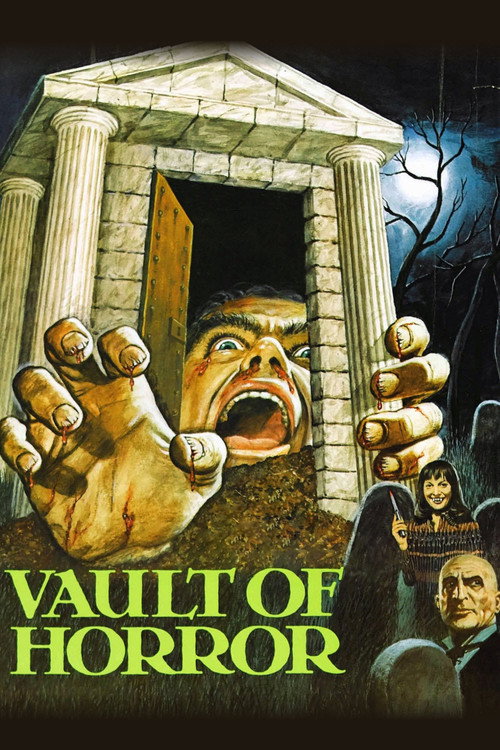
The Vault of Horror functions as a traditional gothic anthology that upholds established social hierarchies. It employs classic horror clichés to explore morality through individual sin rather than systemic critique. The film's demographic makeup is predominantly white and Western. It lacks the intentionality required to challenge traditional social or gendered structures. Overall, the narrative emphasizes well-established archetypes and conventional character roles, maintaining the social framework of its era.
Category Breakdown
The film does not include any LGBTQ+ identities. Character relationships stick to traditional heterosexual norms without any queer undertones.
Gender roles adhere to typical 1970s conventions. Female characters frequently drive suspense or react to events rather than being active agents of change.
The cast is overwhelmingly white and homogeneous. Mention of East Indian mysticism does not lead to meaningful representation of diverse backgrounds.
Stories operate as standalone moral tales about individual sin. There is no critique of religion, capitalism, or Western patriotism.
Disability and neurodivergence are used mainly as plot devices for horror. Psychological breakdowns are portrayed through the lens of madness or monstrous behavior.
Present on Screen
Limited or Absent
Official Synopsis
The sequel to Tales from the Crypt. Five strangers trapped in a basement vault converse about their recurring nightmares. Their stories include vampires, bodily dismemberment, east Indian mysticism, an insurance scam, and an artist who kills by painting his victims' deaths.
1972
1965
1979
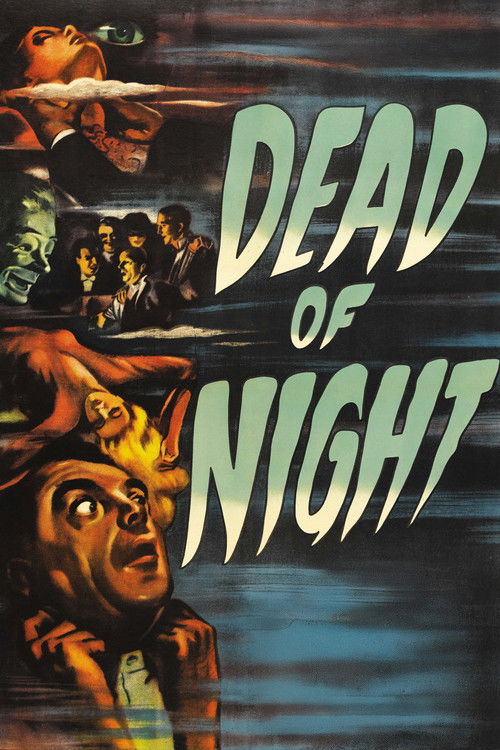
1945
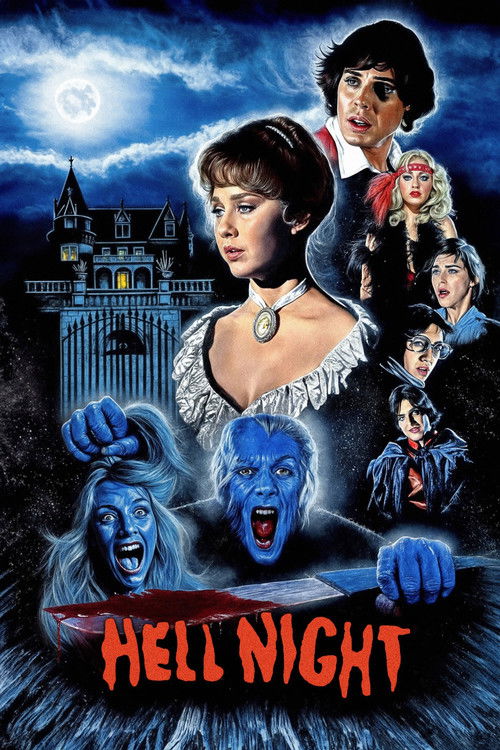
1981
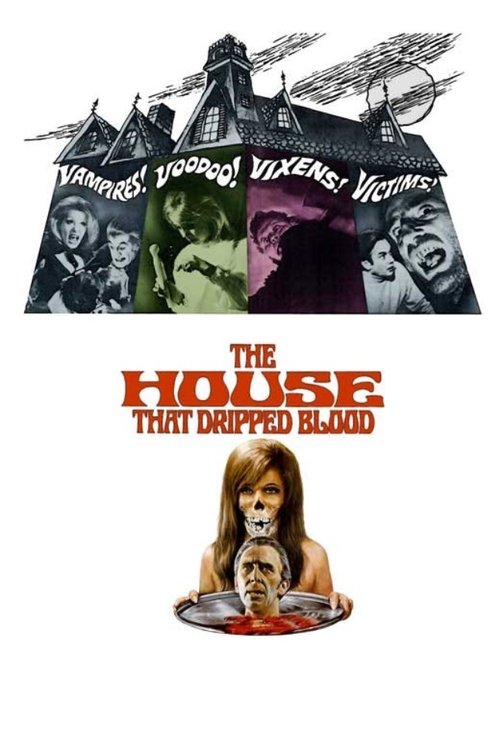
1971
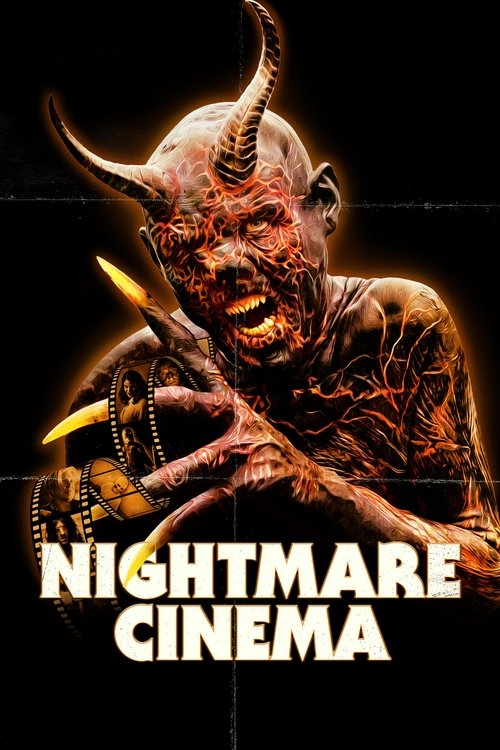
2018

1987
No reviews yet. Be the first to share your thoughts on this movie!
Use the rating form above to leave a star rating and optional review.