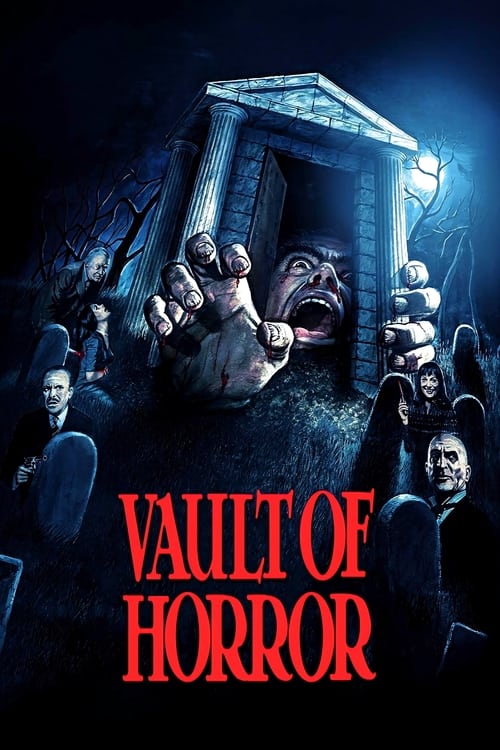
The Vault of Horror
1973
No user ratings available yet
Representation score: 1.7 out of 10
Representation Score
Minimal
1965
ApprovedDirector
Freddie Francis
Runtime
98 minutes
Average Rating
No ratings yetNew Showbiz Analysis
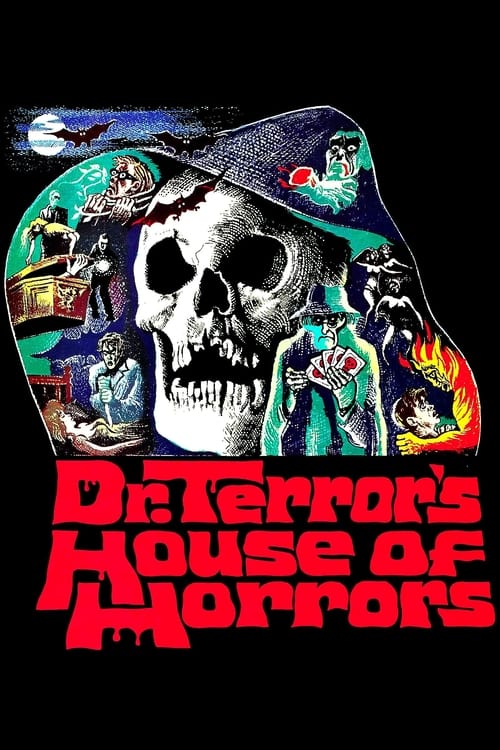
Dr. Terror's House of Horrors is a classic product of mid-1960s British horror. It emphasizes gothic clichés and atmospheric tension over challenging established hierarchies or disrupting social norms. The anthology maintains the demographic and social status quo of its time. It focuses on individual supernatural threats rather than exploring diverse cultural backgrounds or systemic power dynamics. Ultimately, the film operates as a traditional genre piece that avoids contemporary ideas of inclusive representation or social critique.
Category Breakdown
The film strictly follows the assumption that everyone is straight or cisgender. There is no evidence of non-traditional gender identities or same-sex relationships.
Gender roles remain traditional, with men having more control over the story. Women are mostly shown as passive victims or targets of fear.
The cast is mainly white and Anglo-Saxon, reflecting the demographics of the 1960s. A voodoo ceremony appears but serves typical horror clichés rather than nuanced representation.
The stories follow a traditional Western perspective. They focus on individual psychological terror rather than addressing broader social issues or systemic power dynamics.
There is no evidence of neurodivergence or physical disabilities being portrayed with significant influence. Characters with impairments do not drive the plot or have much control over their situations.
Present on Screen
Limited or Absent
Official Synopsis
Five train passengers are joined by a mysterious fortuneteller who offers to read Tarot. A quintet of stories unfold: an architect returns to his ancestral home to find a vengeful werewolf; a doctor suspects his new wife is a vampire; an intelligent vine takes over a house; a jazz musician plagiarises music from a voodoo ceremony; and a pompous art critic is pursued by a disembodied hand.
1973
1945
1972

1963
1979
1971
1960
1975
No reviews yet. Be the first to share your thoughts on this movie!
Use the rating form above to leave a star rating and optional review.