
Black Sabbath
1963
No user ratings available yet
Representation score: 2.4 out of 10
Representation Score
Fair
2004
Not RatedDirector
Sergio Stivaletti
Runtime
85 minutes
Average Rating
No ratings yetNew Showbiz Analysis
The film operates as a traditional horror anthology, prioritizing genre-driven spectacle and practical effects over social commentary. The narrative structure relies on classic clichés like werewolf curses and body horror to drive the plot. Since the stories focus on supernatural terror and physical transformation, diverse identities are largely absent. The film does not attempt to challenge social hierarchies or provide meaningful representation for underrepresented groups. Ultimately, the work functions as a collection of horror vignettes that favor archetypal scares over nuanced character development or progressive storytelling.
Category Breakdown
The film does not include visible LGBTQ+ characters or non-cisgender identities. The story revolves around supernatural curses and creatures within a traditional framework.
One part of the film explores female identity through a woman seeking cosmetic surgery. However, it emphasizes traditional stereotypes about vanity rather than empowering women.
The plot uses an ancient Etruscan burial ground but lacks ethnic diversity among the cast. The focus remains on supernatural settings rather than cultural representation.
The anthology uses mystical elements and a hypnotist to explore subjective morality. It does not prioritize the critique of cultural or religious norms.
Physical transformation and bodily alteration serve as horror devices. These elements use bodily difference to elicit fear rather than portraying disability with dignity.
Present on Screen
Limited or Absent
Official Synopsis
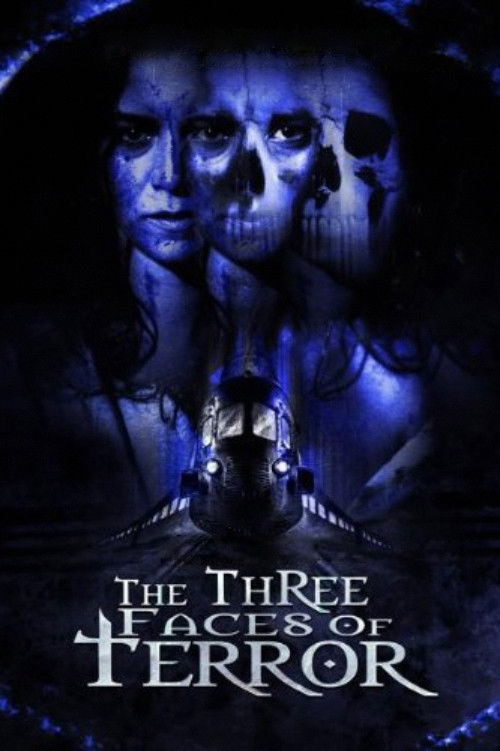
In the first story two grave robbers, thieving from an ancient Etruscan burial ground, gets in trouble when one of them tries out a ring which passes a werewolf curse to him! The second one is about a woman who wants to look like her best friend and goes to a plastic surgeon, which is the biggest mistake she's done. The third story is about three friends and a very dangerous sea monster eating its way through their camping site! The wrap-around story is set on a train where John Phillip Law plays a mystical hypnotist who claims that he can see the past of the passengers...
1963
1965
1990
1970
2014
1975

1985
1973
No reviews yet. Be the first to share your thoughts on this movie!
Use the rating form above to leave a star rating and optional review.