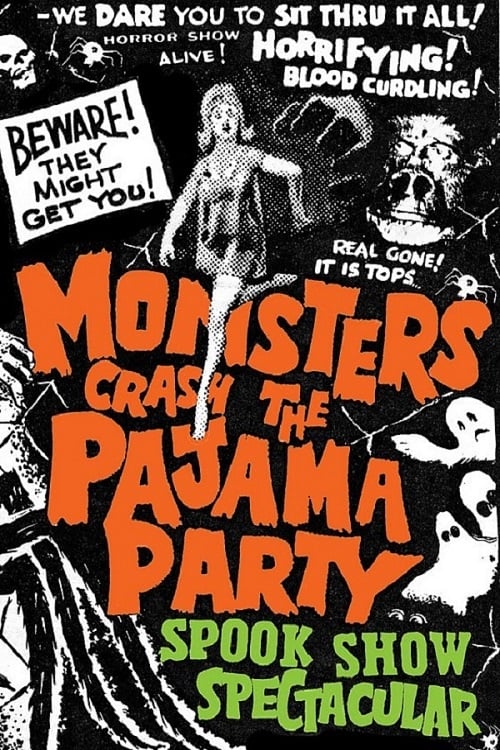
Monsters Crash the Pajama Party
1965
No user ratings available yet
Diversity score: 2.1 out of 10
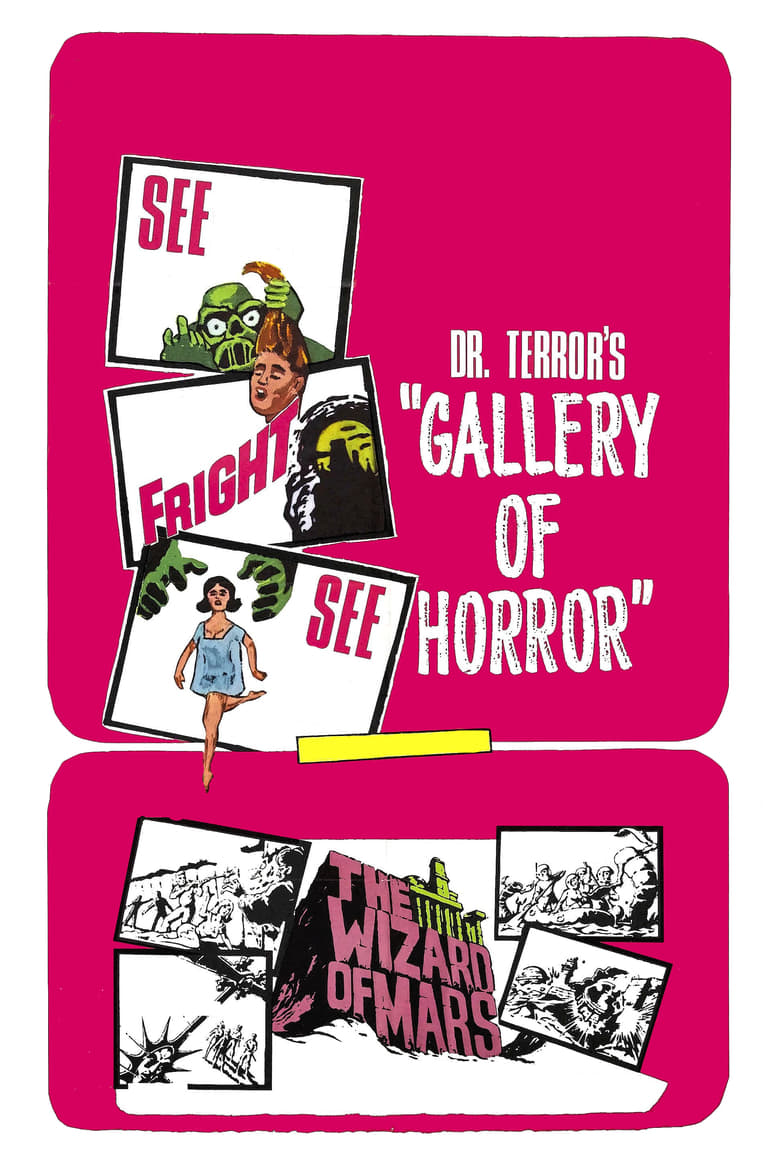
1967
Not RatedDirector
David L. Hewitt
Runtime
83 minutes
Average Rating
No ratings yetSynopsis
John Carradine narrates five horror tales, each with a comically predictable surprise ending. In the first, "The Witches Clock," the Farrells have purchased an old mansion in Salem Massachusetts and are warned by the town doctor of the history of witches in the community. The second story, "King of the Vampires," deals with a slight-figured killer called the King of the Vampires by Scotland Yard. The third, "Monster Raid," is about a man turned zombie when he ODs on his experimental drug. "Spark of Life" deals with a doctor Mendell obsessed with the experiments of a thrown-out professor named Erich von Frankenstein. "Count Alucard" is a variation on the Dracula story, with the Count acquiring the deed to Carfax Abbey from Harker as vampiresses and dead bodies start turning up.
Overall Score
Limited
Category Breakdown
LGBTQ+ Representation
The film contains no discernible LGBTQ+ characters or non-cisnormative identities. The narrative remains strictly within traditional heteronormative structures and mid-century genre archetypes.
Gender Representation
Male characters act as the primary drivers of the plots through madness or scientific obsession. Female characters are relegated to passive roles, often serving as victims or catalysts for supernatural events.
Racial & Ethnic Diversity
The cast is largely homogeneous and white, reflecting the era's cinematic norms. Even in settings like Salem, the film lacks intentional intersectional casting or racial complexity.
Religious & Cultural Diversity
The stories function as traditional cautionary tales rather than critiques of systemic institutions. The film relies on established supernatural tropes instead of engaging with diverse cultural perspectives.
Disability Representation
Disability is limited to horror tropes, such as mental instability or physical transformations. These states serve as plot devices to elicit fear rather than providing nuanced or dignified representation.
Strengths
Areas for Improvement
AI Analysis
Dr. Terror's Gallery of Horrors is a quintessential product of 1960s exploitation cinema, prioritizing genre tropes over social complexity. The anthology structure relies on established archetypes that reinforce traditional hierarchies rather than challenging them. The film maintains a narrow demographic focus, featuring a predominantly white cast and heteronormative character dynamics. Agency is almost exclusively granted to male characters, while women and marginalized identities are largely absent or used as narrative tools. Ultimately, the vignettes function as macabre entertainment that adheres to the era's standard social compositions. It lacks the intentionality required to disrupt mid-century norms or provide meaningful representation for diverse groups.
1965
1959
1965
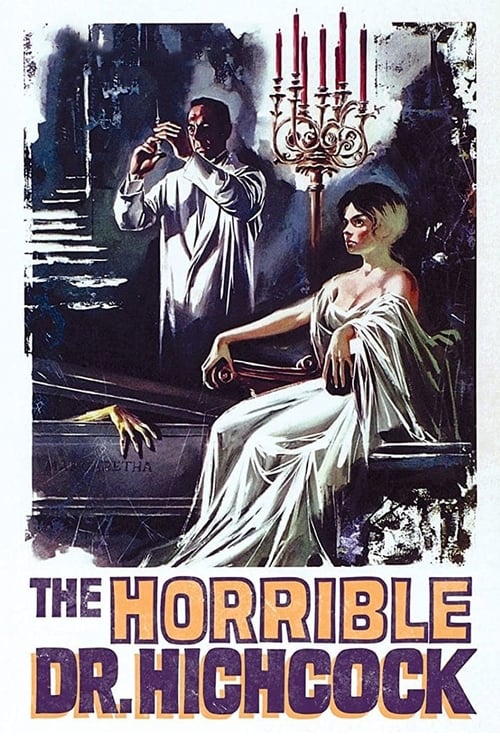
1962
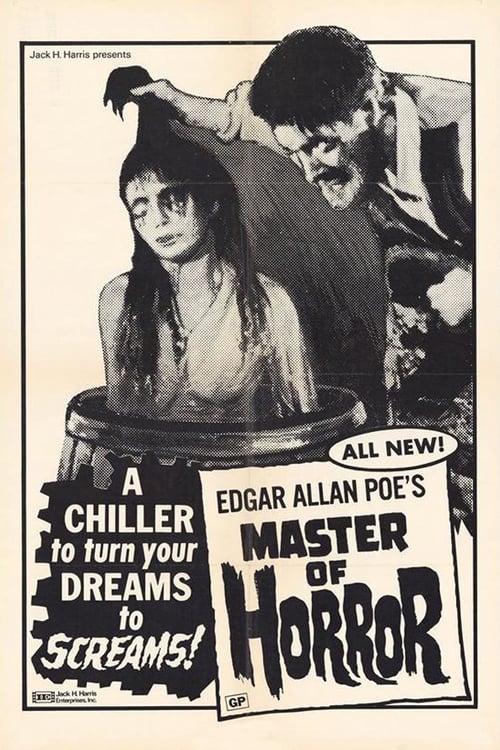
1965
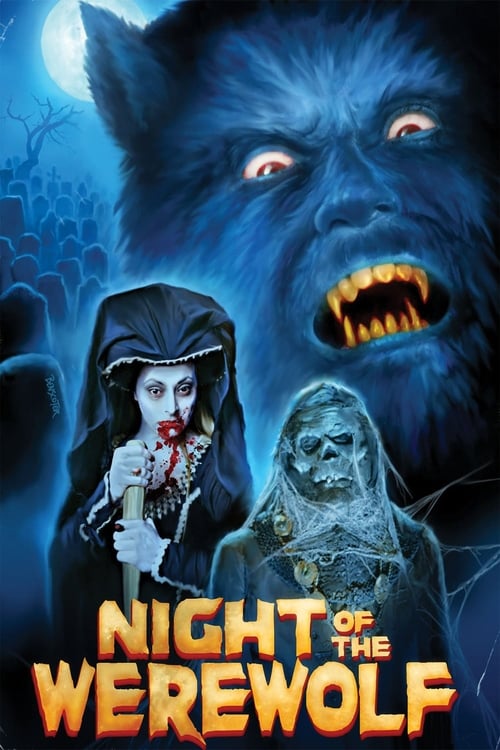
1981
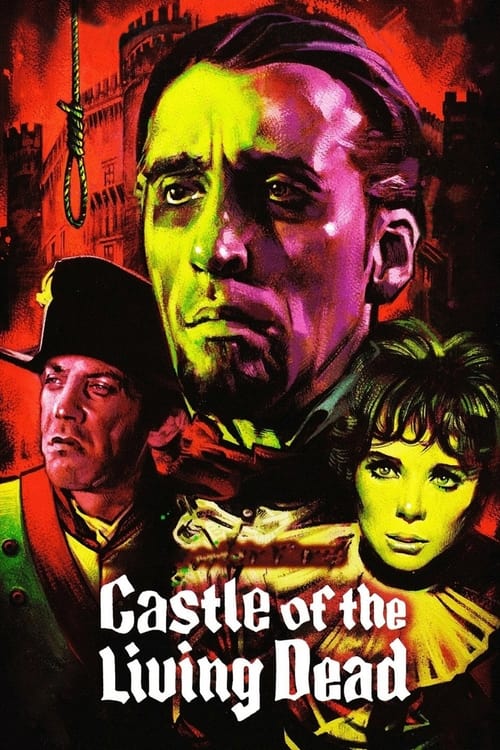
1964
1972

2003
1979

1957
1977
No reviews yet. Be the first to share your thoughts on this movie!
Use the rating form above to leave a star rating and optional review.