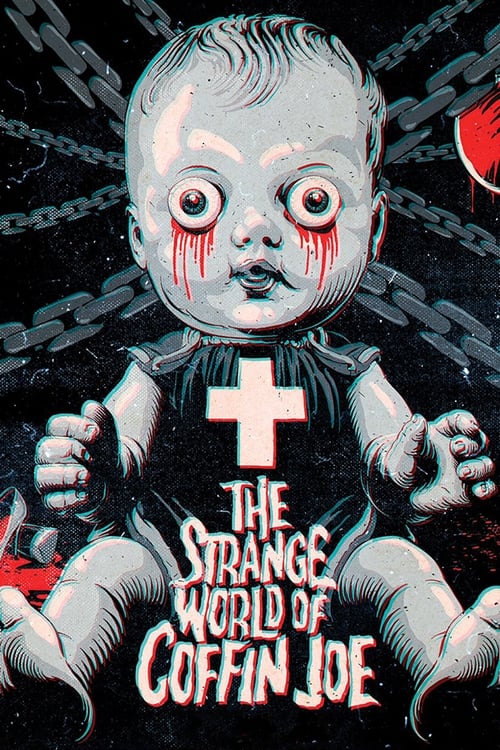
The Strange World of Coffin Joe
1968
No user ratings available yet
Representation score: 5.0 out of 10
Representation Score
Fair
1968
Director
José Mojica Marins, Ozualdo Ribeiro Candeias, Luiz Sérgio Person
Runtime
115 minutes
Average Rating
No ratings yetNew Showbiz Analysis
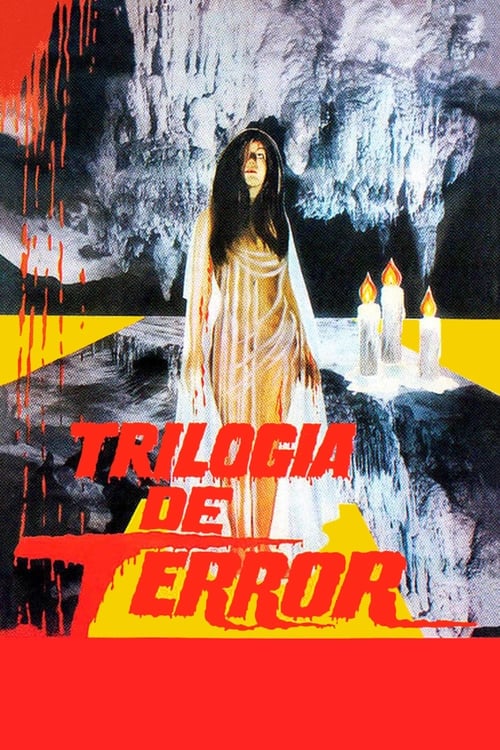
Trilogy of Terror is a significant example of Latin American genre cinema that uses horror to explore psychological and socio-political anxieties. It stands out by grounding its narratives in the Brazilian context and local superstitions, breaking away from Anglo-centric storytelling. However, the film still adheres to the social hierarchies of the late 1960s. Its reliance on traditional gender and mental health archetypes limits its progressive depth. Ultimately, the work's value lies in its regional authenticity and its engagement with localized fears rather than in explicit identity politics.
Category Breakdown
The film doesn't include non-binary or LGBTQ+ identities and focuses on traditional heterosexual roles typical of 1960s horror.
Characters adhere to traditional gender roles, such as a mother driven by domestic duties. Women display ability to act through black magic, but this is linked to maternal instincts.
As a Brazilian production, the film provides a localized viewpoint that breaks from Western homogeneity. The setting highlights engagement with the regional population and socio-political issues.
The story explores superstition and folk beliefs, challenging a single religious morality. It uses occultism and political themes like guerrilla presence to address social conflicts.
Psychological distress and phobias drive the plot in the third part. However, mental states serve mainly as horror triggers rather than detailed explorations of neurodivergence.
Present on Screen
Limited or Absent
Official Synopsis
An anthology divided in three segments, helmed by three of the most important Brazilian directors of the 20th century. A mother becomes involved with black magic and offers a virgin woman to the Devil in exchange for curing the illness of her only son. A poor laborer is the only man in the village with courage to face a group of guerrilheiros ("guerrilla ghosts") that haunt the minds of the locals. A young man is afflicted by fear of reptiles and spiders and the fear of being buried alive. When he undergoes a shocking event, he becomes unresponsive and is mistakenly buried, only to revive in the coffin after burial.
1968

1963
2015
1964
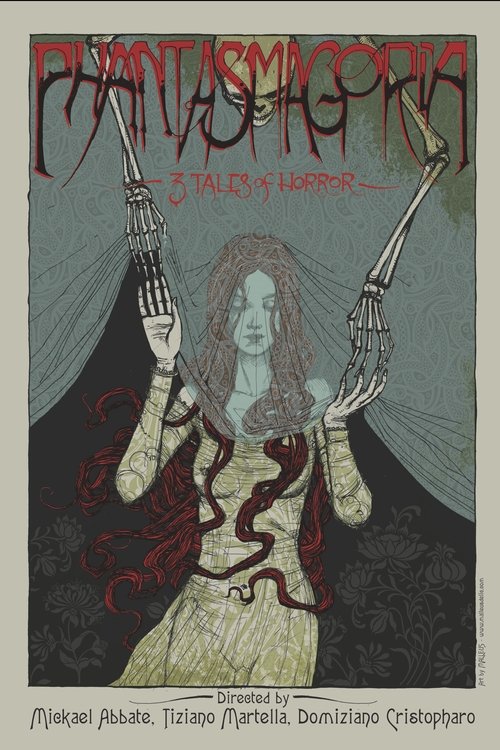
2014
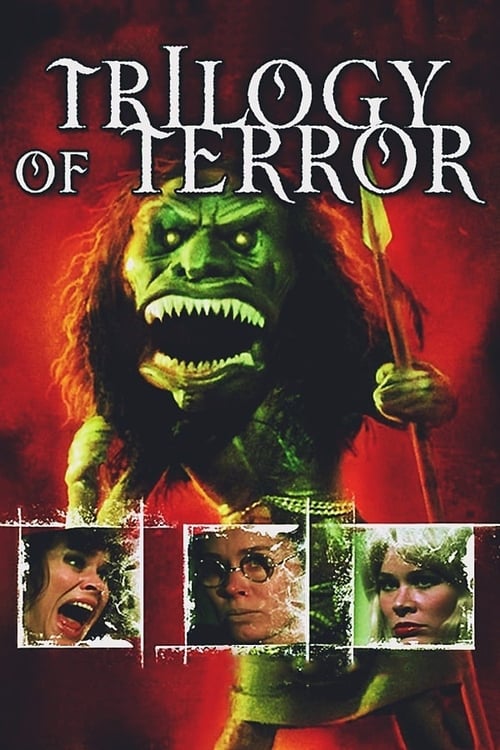
1975
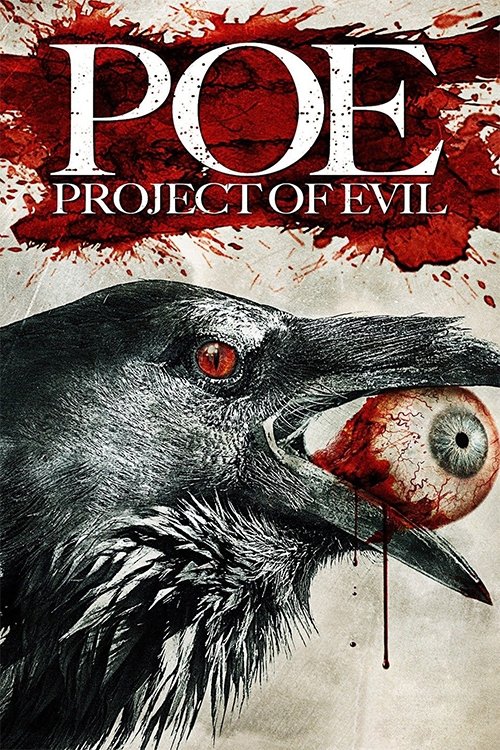
2012
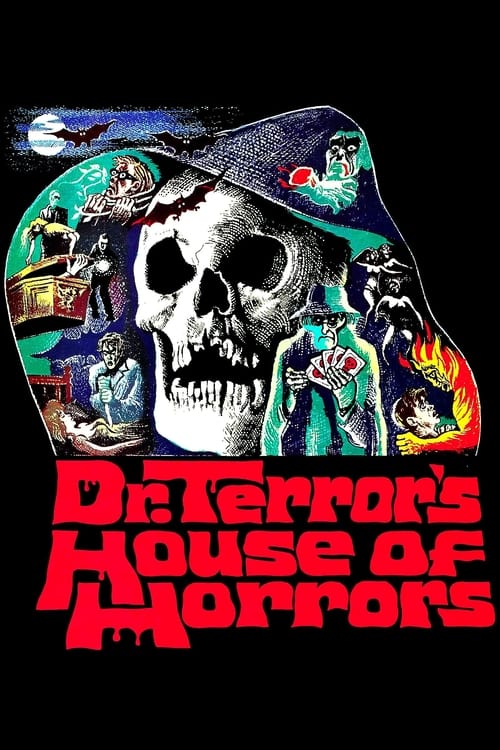
1965
No reviews yet. Be the first to share your thoughts on this movie!
Use the rating form above to leave a star rating and optional review.