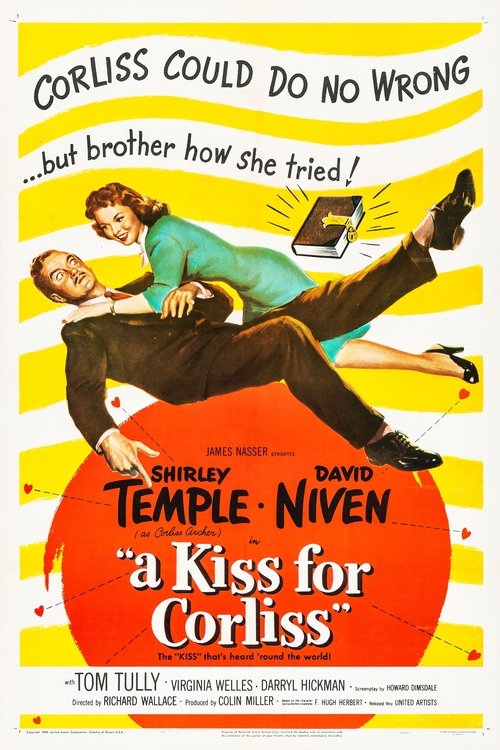
A Kiss for Corliss
1949
No user ratings available yet
Representation score: 0.4 out of 10
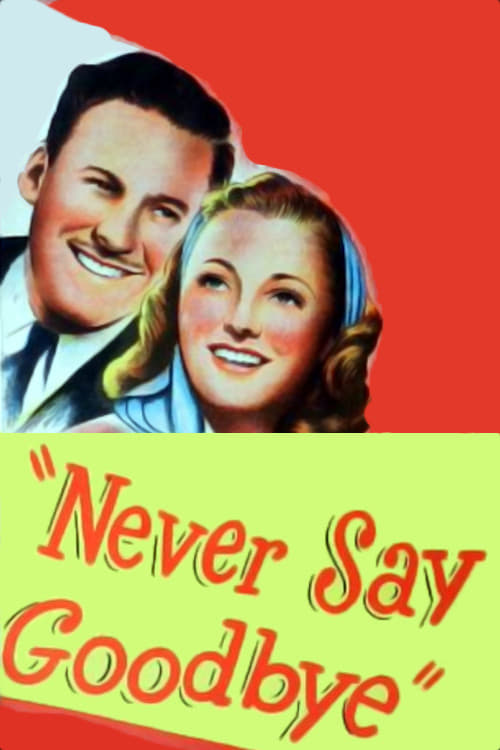
Representation Score
Minimal
1946
NRDirector
James V. Kern
Runtime
97 minutes
Average Rating
No ratings yetNew Showbiz Analysis
Never Say Goodbye is a period-typical domestic comedy that adheres strictly to the social hierarchies of 1946. The narrative focuses on a fractured nuclear family and traditional romantic courtship, offering little disruption to established cultural norms. The film relies on conventional archetypes, such as the jealous husband and the romantic interest, to drive its situational humor. While the female lead, Ellen, demonstrates some tactical control through her manipulation of romantic jealousy, the underlying motivations remain rooted in traditional gender roles. Ultimately, the work lacks complexity in reflecting multiple aspects of identity. It presents a homogeneous view of American life, prioritizing mid-century social stability and traditional family structures over diverse perspectives.
Category Breakdown
The film does not include any LGBTQ+ characters or non-straight identities. The plot revolves around traditional romantic relationships and heterosexual standards typical of the 1940s.
Ellen uses her romantic interest to influence her ex-husband, showing some tactical control. However, the story relies on conventional mid-century gender roles and archetypes.
The narrative centers on a typical mid-century American nuclear family. There is no indication of a multi-ethnic cast or characters of different races.
The film upholds traditional Western social structures and emphasizes the importance of marital stability. It aligns with the conservative social values of the post-war era.
There is no mention of characters with physical, sensory, or neurodivergent disabilities. The story does not address disability in any way.
Present on Screen
Limited or Absent
Official Synopsis
Phil and Ellen Gayley have been divorced for a year, and their 7-year old daughter, Flip, is very unhappy that her parents are not together. Flip starts a correspondence with a Marine, sending a picture of her beautiful mother as the author of Flip's flirtatious letters. When the Marine shows up to meet his pen pal, Ellen takes the opportunity to make her ex-husband jealous.
1949
1963
1943
1944
1949
1939
1946
1937
No reviews yet. Be the first to share your thoughts on this movie!
Use the rating form above to leave a star rating and optional review.