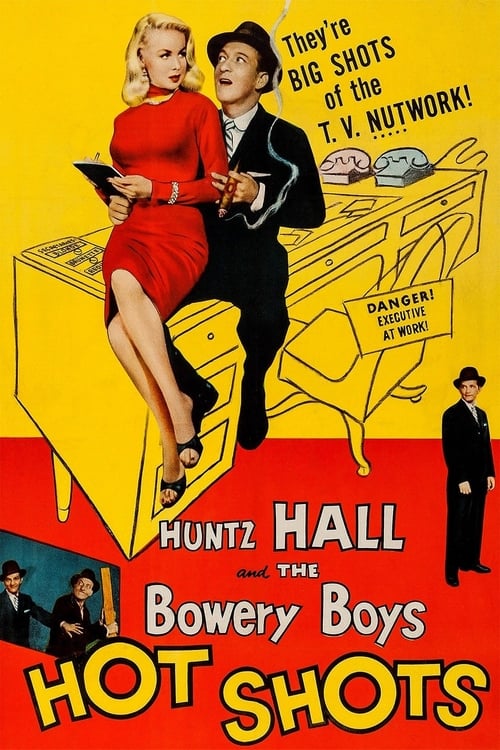
Hot Shots
1956
No user ratings available yet
Representation score: 0.4 out of 10
Representation Score
Minimal
1958
NRDirector
Frank Tashlin
Runtime
103 minutes
Average Rating
No ratings yetNew Showbiz Analysis
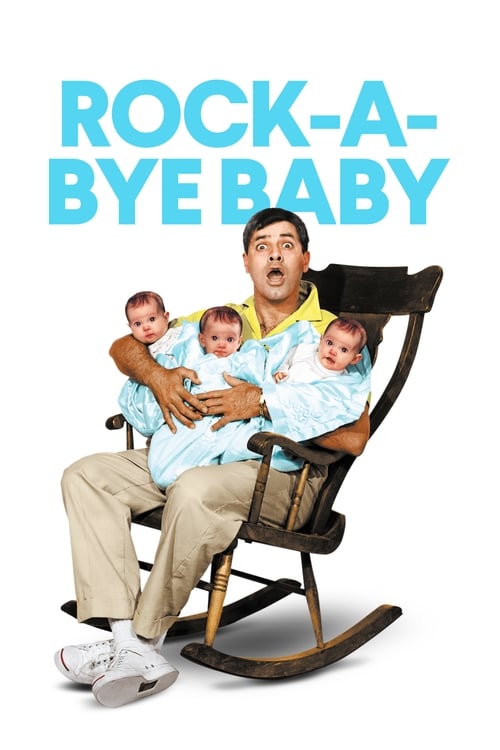
Rock-a-Bye Baby exemplifies mid-20th century social hierarchies. The film uses slapstick humor to navigate established norms rather than challenging them. It presents a streamlined, homogeneous vision of American domestic life. The narrative lacks depth in representing diverse identities, focusing instead on a singular, non-diverse portrayal of the suburban ideal. By centering on a white, middle-class cast, the film reinforces the era's social constraints and traditional family structures.
Category Breakdown
The film does not include any visible or implied LGBTQ+ characters. It adheres to a traditional family structure centered around heterosexual relationships.
Gender roles follow mid-20th century norms. The husband's incompetence is used for comedic effect but does not challenge traditional gender hierarchies.
The cast is homogeneous, featuring white, middle-class Americans. There is no representation of characters from diverse racial or ethnic backgrounds.
The story upholds traditional Western values and the sanctity of the nuclear family. It promotes social cohesion and conventional domestic ideals without critique.
The film does not depict any visible or invisible disabilities or neurodivergence. Characters are portrayed through an able-bodied comedic lens.
Present on Screen
Limited or Absent
Official Synopsis
An average television repairman must care for the newborn triplets of his former hometown sweetheart—now a famous movie star—so her career will not suffer.
1956
1985
1951
1958
1942

1982
1937

1921
No reviews yet. Be the first to share your thoughts on this movie!
Use the rating form above to leave a star rating and optional review.