You are here:

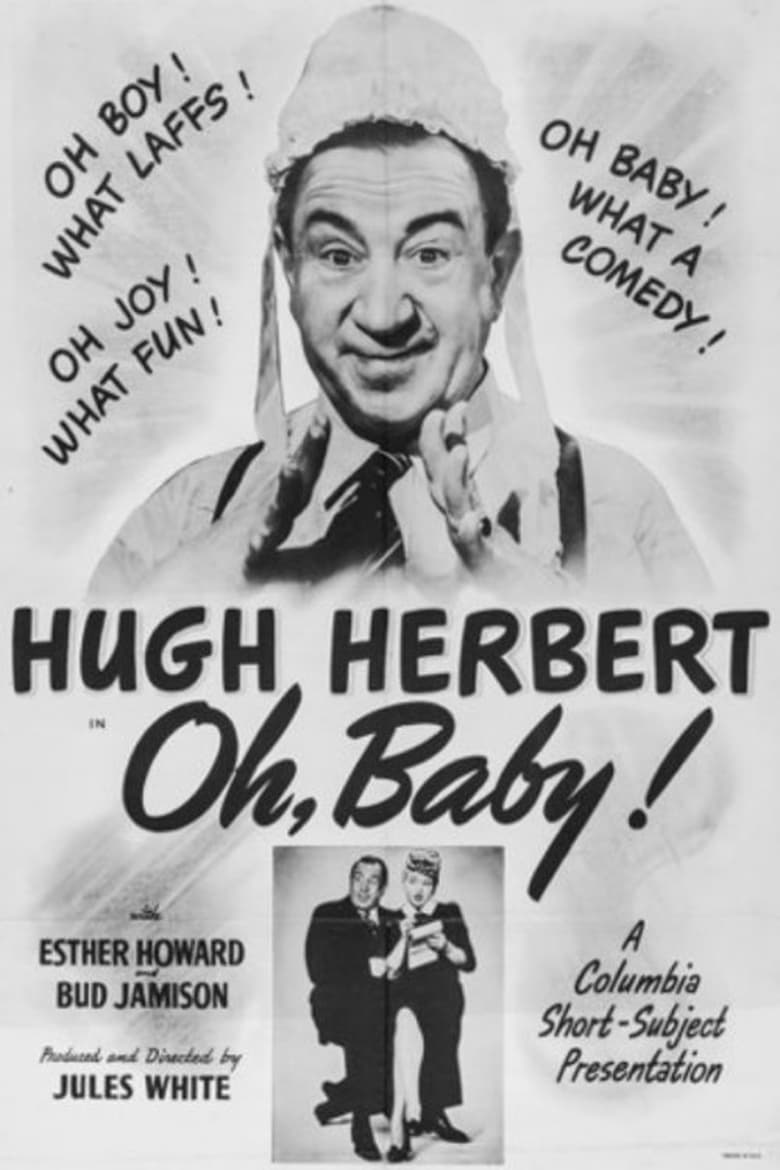
Oh, Baby!

Oh, Baby!

Representation Score

0.9/10

Minimal

1944

Approved

Director

Jules White

Runtime

18 minutes

Average Rating

No ratings yet

New Showbiz Analysis

This 1944 comedy by Jules White is a product of the mid-century studio system, emphasizing slapstick humor and traditional comedic structures. The narrative centers on a man named Hugh and his evolving attitude toward fatherhood, a theme deeply rooted in conventional Western social norms. The film adheres closely to the era's standard demographic and social hierarchies. It lacks complexity in representing multiple identities and focuses instead on a singular, traditional domestic transition that reinforces the period's norms.

Watch this, not that →

Category Breakdown

Does Oh, Baby! have LGBTQ+ representation?

Minimal

The film does not include any characters with non-binary gender identities or sexual orientations. The storyline follows a traditional path centered around biological fatherhood.

How does Oh, Baby! portray gender?

Limited

The story revolves around a male protagonist's internal journey regarding parenthood. This highlights a strong focus on male-driven action and adherence to mid-century patriarchal domestic roles.

How racially and ethnically diverse is Oh, Baby!?

Limited

Reflecting the demographic standards of 1944 studio comedies, the film likely features a homogeneous cast. There is no indication of diverse casting or representation of multiple identities.

How does Oh, Baby! represent religion and culture?

Limited

The plot explores conventional Western family structures and responsibilities. It lacks any critical examination of traditional cultural norms or non-traditional perspectives.

Does Oh, Baby! include disability representation?

Minimal

The synopsis does not mention any characters with visible or invisible disabilities.

Present on Screen

  • The film offers a clear, focused narrative arc centered on personal growth and familial responsibility.

Limited or Absent

  • The film lacks representation of LGBTQ+ identities and diverse racial or ethnic backgrounds.
  • The narrative relies on traditional gender roles and a patriarchal perspective on domesticity.
  • There is no inclusion of characters with disabilities or non-traditional cultural perspectives.

Official Synopsis

Hugh, who has always made no secret about his disdain for children, changes his mind when he believes that he is about to become a father.

How are these scores produced? →

Where to Watch

Rate this Movie

No rating selected
Use arrow keys to select a rating from 1 to 5 stars
Optional text review, maximum 2000 characters
Tip: Wrap spoilers with ||double pipes|| to hide them
0/2000 characters
You must be signed in to submit a rating

Reviews

No reviews yet. Be the first to share your thoughts on this movie!

Use the rating form above to leave a star rating and optional review.