Double Up
1943
No user ratings available yet
Diversity score: 1.8 out of 10
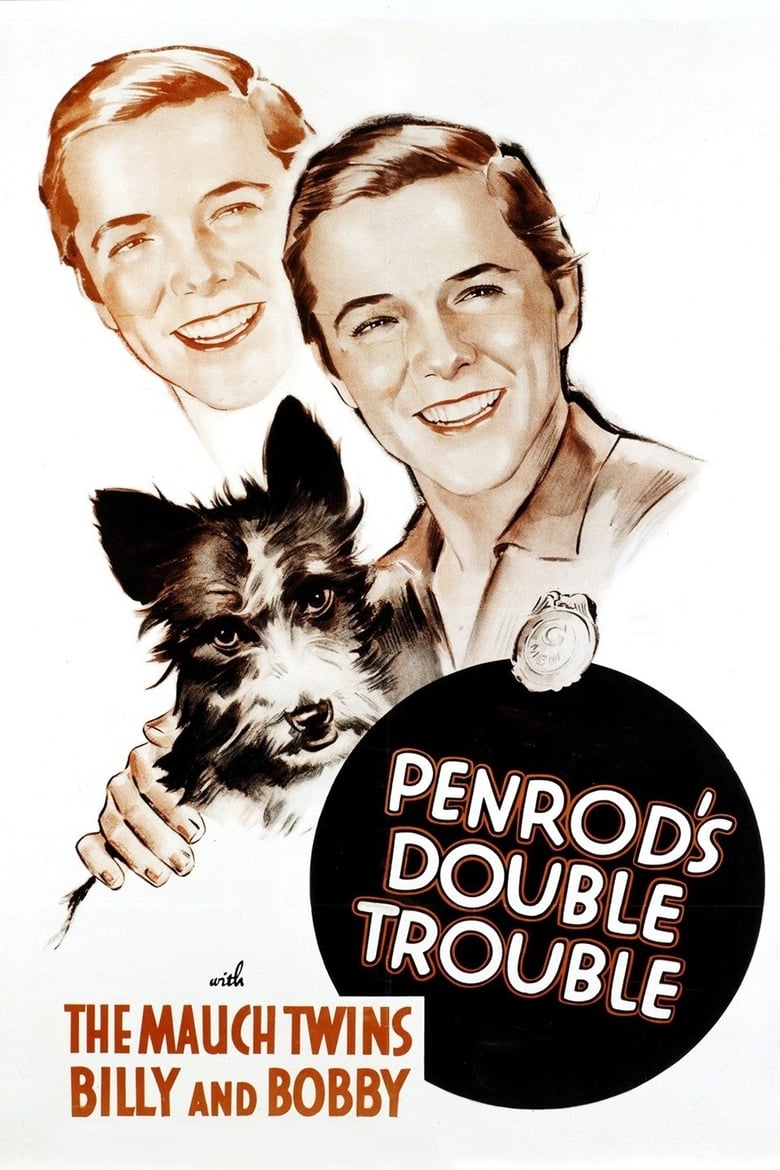
1938
ApprovedDirector
Lewis Seiler
Runtime
60 minutes
Average Rating
No ratings yetSynopsis
When a young boy disappears, a man desperate for the offered reward money turns up with an identical child.
Overall Score
Minimal
Category Breakdown
LGBTQ+ Representation
The film contains no discernible LGBTQ+ characters or queer subtext. The narrative relies entirely on standard 1930s domestic tropes.
Gender Representation
Action centers on a male protagonist and his boyish peer group. While not overtly misogynistic, agency remains concentrated within traditional patriarchal structures.
Racial & Ethnic Diversity
The cast and setting are ethnically homogeneous. The film depicts a white-centric middle-class reality as the default social norm.
Religious & Cultural Diversity
The story operates within a traditional Western framework emphasizing social stability. It reinforces rather than challenges the institutional norms of the period.
Disability Representation
There is no evidence of characters with visible or invisible disabilities. The film does not utilize disability as a narrative element.
Strengths
Areas for Improvement
AI Analysis
Penrod's Double Trouble is a quintessential 1930s domestic comedy that functions to reinforce the prevailing social hierarchies of its era. The narrative architecture is built around conventional storytelling and mainstream appeal, offering little room for social subversion. The film lacks intersectional representation, presenting a homogeneous view of middle-class life. It focuses heavily on male-centric mischief and traditional authority, leaving most marginalized identities entirely unrepresented.
1943
1937
1936
1952
1940
1951
1929
1937
1942
1923
1944
1918
No reviews yet. Be the first to share your thoughts on this movie!
Use the rating form above to leave a star rating and optional review.