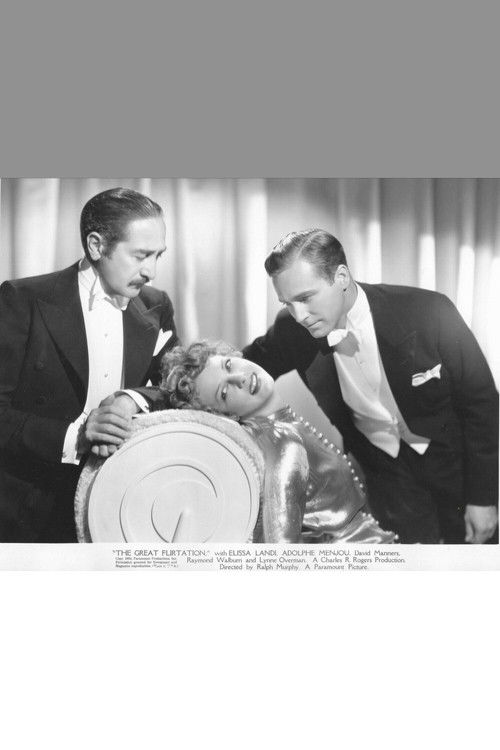
The Great Flirtation
1934
No user ratings available yet
Diversity score: 1.8 out of 10
No Poster Available
1935
ApprovedDirector
Frank R. Strayer
Runtime
71 minutes
Average Rating
No ratings yetSynopsis
A scientist's obsessive jealousy about his wife, a professional opera singer, endangers their marriage.
Overall Score
Limited
Category Breakdown
LGBTQ+ Representation
The film focuses on a heterosexual marital conflict. There is no evidence of non-cisnormative identities or critiques of heteronormativity within the narrative.
Gender Representation
The story centers on a male protagonist's jealousy toward his wife's professional success. This dynamic reinforces patriarchal anxieties regarding female autonomy and independence.
Racial & Ethnic Diversity
The production reflects the homogeneous casting standards of 1935. There is no evidence of non-Anglo-Saxon representation in the film.
Religious & Cultural Diversity
Themes revolve around marriage and individual morality. The narrative adheres to conventional mid-century moral dramas centered on the nuclear family unit.
Disability Representation
The synopsis provides no mention of visible or invisible disabilities.
Strengths
Areas for Improvement
AI Analysis
Public Opinion is a conventional 1930s drama that operates strictly within the social hierarchies of its era. The plot relies on traditional interpersonal conflicts, specifically a husband's jealousy regarding his wife's career as an opera singer. The film lacks any intentional effort to subvert social norms or introduce diverse perspectives. Instead, it reinforces the period's standard demographic and gendered power dynamics. Ultimately, the work functions as a standard studio-era production, focusing on domestic stability and traditional patriarchal structures rather than social critique.
1934
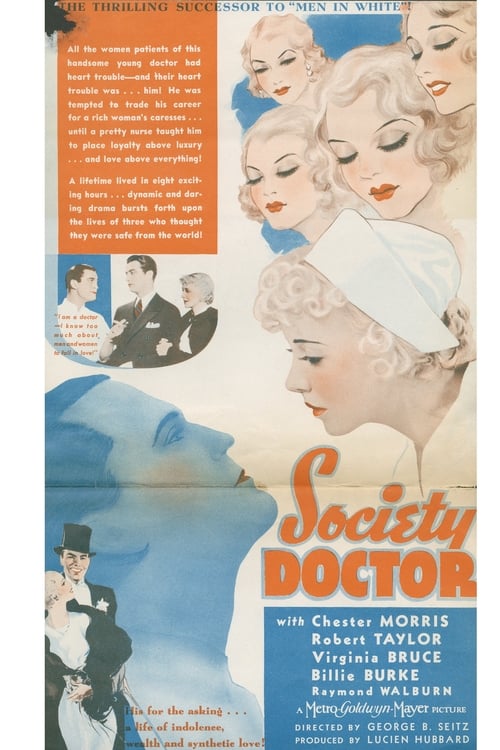
1935
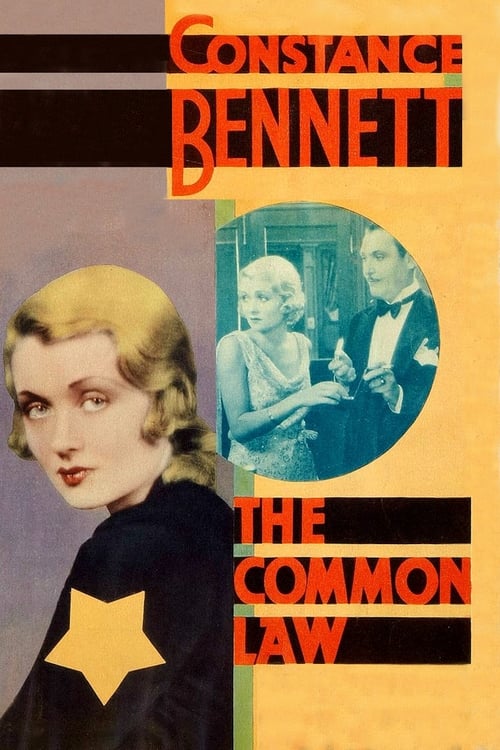
1931
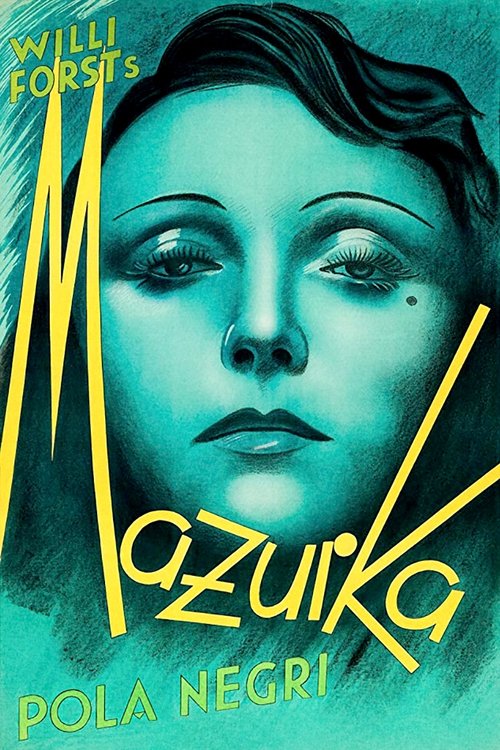
1935

1934
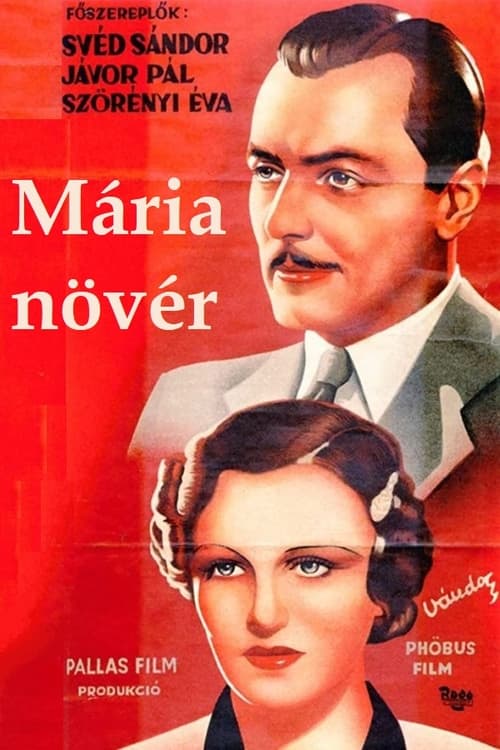
1937
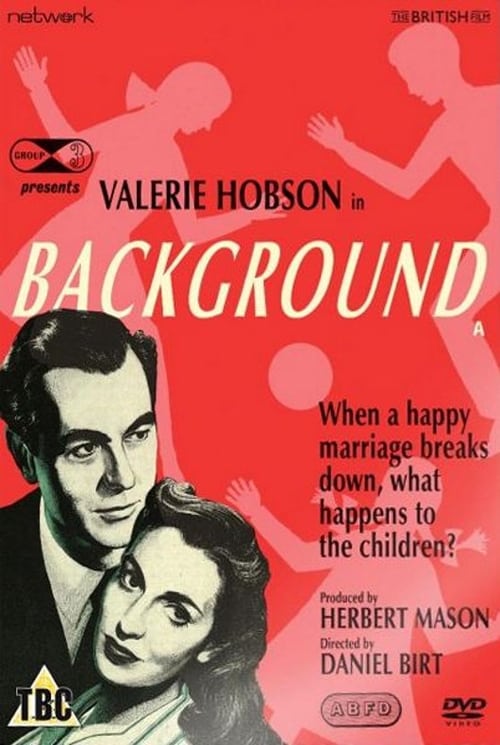
1953
1936
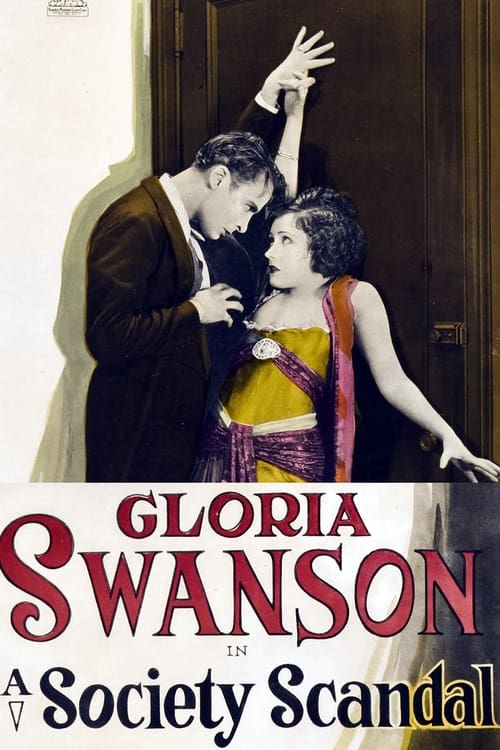
1924
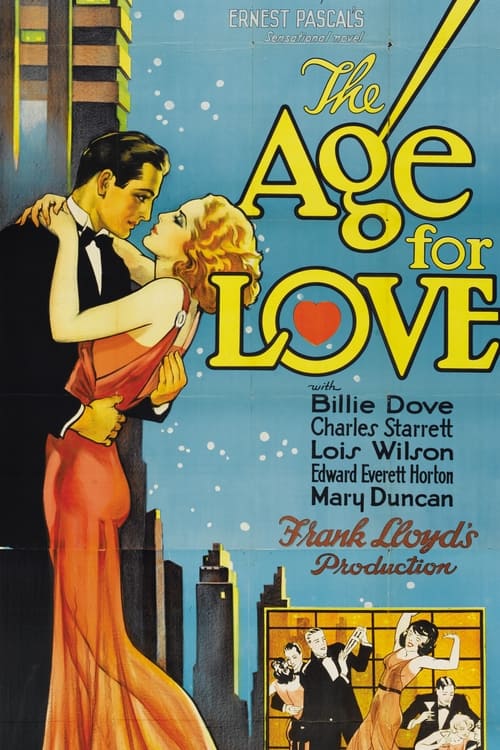
1931
1934
1932
No reviews yet. Be the first to share your thoughts on this movie!
Use the rating form above to leave a star rating and optional review.