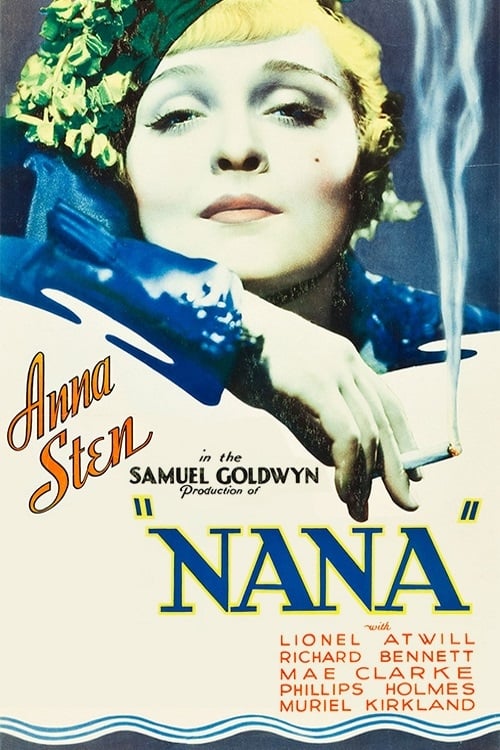
Nana
1934
No user ratings available yet
Representation score: 3.3 out of 10

Representation Score
Minimal
1934
ApprovedDirector
William Wyler
Runtime
74 minutes
Average Rating
No ratings yetNew Showbiz Analysis
William Wyler’s 1934 drama, *Glamour*, functions as a typical period melodrama. It centers on the cyclical nature of ambition, following a chorus girl's journey through fame, marriage, and infidelity. The film adheres strictly to the social and cinematic constraints of the early 1930s. It reinforces conventional social hierarchies and traditional Western values rather than attempting to disrupt them through multi-layered complexity. Ultimately, the production relies on established Hollywood formulas. It presents a narrow view of success and identity that mirrors the storytelling frameworks of its era.
Category Breakdown
The film focuses on a conventional romantic storyline centered around marriage and infidelity. There are no representations of LGBTQ+ identities or narratives that challenge standard heterosexual norms.
The protagonist drives the plot through her decisions about marriage and motherhood. However, her role is limited to traditional romantic and domestic archetypes.
The film's setting, featuring chorus girls and composers, reflects the homogeneous casting practices of 1934. The narrative does not include diverse or non-white representation.
Themes of fame and family align with traditional Western values. The story follows a standard moral arc without challenging institutions like the nuclear family.
The narrative does not include any characters with visible or invisible disabilities.
Present on Screen
Limited or Absent
Official Synopsis
An ambitious chorus girl finds fame, marriage, and motherhood with a talented composer, only to leave him for a handsome singer.
1934

1930
1941
1937
1934
1934

1936

1933
No reviews yet. Be the first to share your thoughts on this movie!
Use the rating form above to leave a star rating and optional review.