
Stonewall Uprising
2010
No user ratings available yet
Representation score: 9.8 out of 10
Representation Score
Excellent
2005
Director
Victor Silverman, Susan Stryker
Runtime
57 minutes
Average Rating
No ratings yetNew Showbiz Analysis
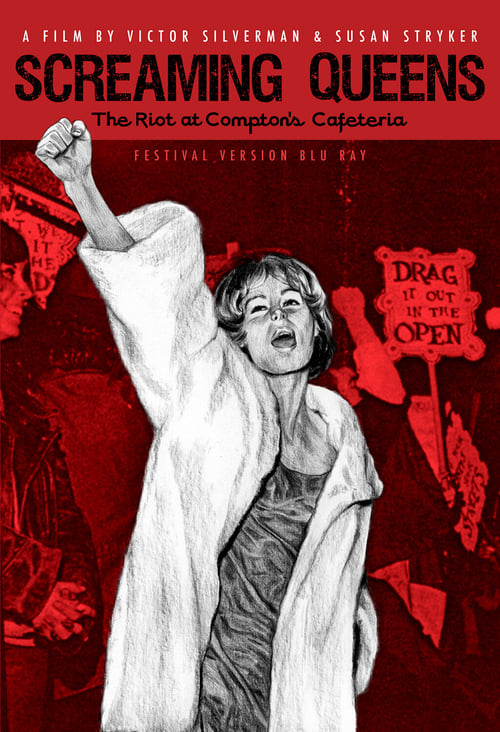
Screaming Queens provides a crucial historical perspective on the American civil rights movement. By focusing on the 1966 Compton's Cafeteria riot, it challenges the dominant narrative centered around Stonewall and emphasizes the ability to act of transgender women and gay men. The film excels in its exploration of how race, gender expression, and state authority intersected in 1960s San Francisco. It offers a sophisticated critique of systemic oppression. While the documentary is deeply rooted in identity politics, it offers less specific focus on physical or neurodivergent disabilities, prioritizing the socioeconomic and gendered struggles of its subjects.
Category Breakdown
This documentary serves as a key text for understanding queer history. It focuses on transgender women and gender-nonconforming individuals, highlighting their roles in political activism.
The film challenges traditional gender roles by showing how gender expression clashed with 1960s patriarchy. It portrays the deconstruction of social roles as a means of survival.
The narrative highlights the diverse backgrounds of queer people of color in San Francisco. It explores how race and gender intersected during the time period.
The film critiques Western institutions such as law enforcement as tools of oppression. It presents the riot as a sophisticated response to institutional harassment.
The focus is primarily on gender and sexual identity. While it touches on socioeconomic issues, there are fewer specific depictions of physical or neurodivergent disabilities.
Present on Screen
Limited or Absent
Official Synopsis
The first major uprising against police brutality, harassment, and societal oppression was not at Stonewall in 1969, but at Compton's Cafeteria in San Francisco three years earlier. Those who stood up were trans women and gay men. Now, nearly 40 years on, Susan Stryker and Victor Silverman tell the story of this oft-overlooked event in the history of American civil rights.
2010

2017
1984
1984
1999
1996
2023

2021
No reviews yet. Be the first to share your thoughts on this movie!
Use the rating form above to leave a star rating and optional review.