
Kokomo City
2023
No user ratings available yet
Representation score: 7.2 out of 10
Representation Score
Excellent
2023
RDirector
Kristen Parker Lovell, Zackary Drucker
Runtime
86 minutes
Average Rating
No ratings yetNew Showbiz Analysis
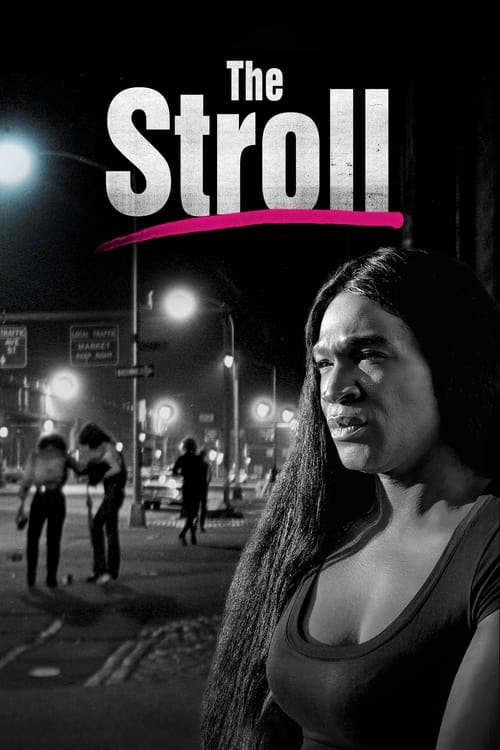
The Stroll stands out as a powerful piece of media that goes beyond simple representation to reclaim narratives centered around transgender women and sex workers. It disrupts typical expectations of historical documentaries by focusing on lived experiences. The film provides a strong critique of traditional Western institutions such as policing and capitalism, replacing these with stories of community resilience and personal empowerment. While it excels in representing gender and queer identities, it does not delve deeply into specific depictions of neurodivergence or formal disabilities.
Category Breakdown
The film focuses on the history and experiences of transgender women, emphasizing their social and spatial realities. It critiques the assumption that everyone is straight or cisgender and highlights the policing of queer bodies.
This documentary centers the intelligence and ability to act of transgender women, avoiding the common 'victim' stereotype. Instead, it highlights the community's ability to create social structures and support systems.
The film showcases a wide range of racial and ethnic backgrounds by featuring actual community members. It treats the overlap of race and gender as a key part of the subjects' urban experience.
The work critically examines Western institutional power, particularly policing and gentrification. It portrays survival strategies as necessary responses to systemic issues rather than traditional legal frameworks.
The film touches on themes of bodily autonomy and physical vulnerability faced by those working on the streets. However, it does not focus extensively on neurodivergence or formal disabilities.
Present on Screen
Limited or Absent
Official Synopsis
The history of New York’s Meatpacking District, told from the perspective of transgender sex workers who lived and worked there. Filmmaker Kristen Lovell, who walked “The Stroll” for a decade, reunites her community to recount the violence, policing, homelessness, and gentrification they overcame to build a movement for transgender rights.
2023

2017
2018
1984
2015
2019
2005
1996
No reviews yet. Be the first to share your thoughts on this movie!
Use the rating form above to leave a star rating and optional review.