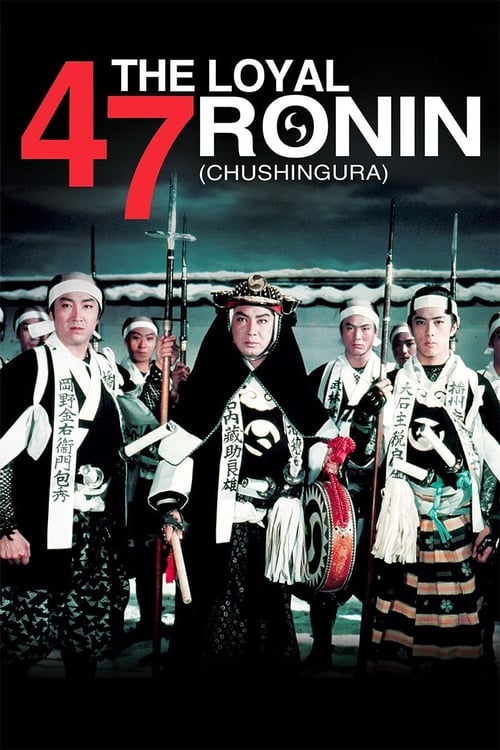
The Loyal 47 Ronin
1958
No user ratings available yet
Representation score: 1.4 out of 10
Representation Score
Limited
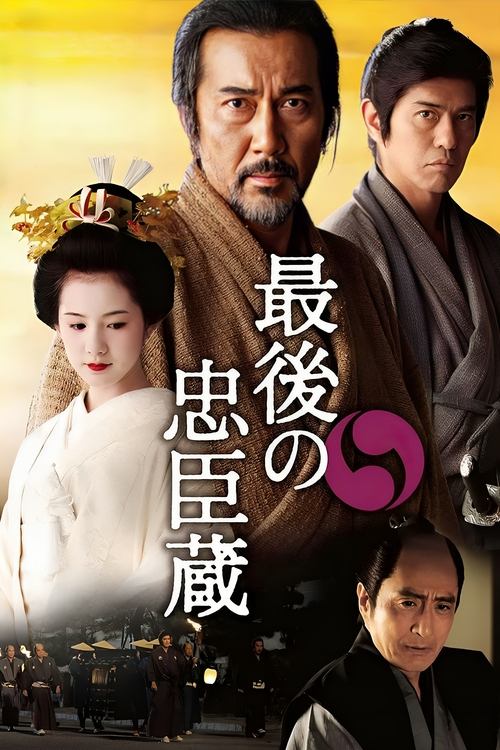
2010
RDirector
Shigemichi Sugita
Runtime
133 minutes
Average Rating
No ratings yetNew Showbiz Analysis
The Last Ronin is a traditional jidai-geki that prioritizes feudal loyalty and the preservation of historical legacy. The narrative focuses on the aftermath of the Ako incident, centering on the protagonist's mission to honor the fallen samurai through the lens of bushido. Because the film operates within a specific historical framework, it reinforces existing social hierarchies rather than critiquing them. The themes of honor and lineage serve to uphold traditional structures rather than challenge them. Ultimately, the film serves as a celebration of historical continuity. It lacks the complexity needed to disrupt established gender, social, or power hierarchies.
Category Breakdown
The film adheres to the rigid social constraints of the Edo period. There is no evidence of non-traditional gender identities or narratives that challenge the assumption that everyone is straight or cisgender.
The narrative centers on male-driven historical events and the protagonist's mission. While the survivor interacts with families, the story remains focused on the male-dominated samurai class.
The cast is ethnically homogeneous, reflecting the historical reality of the Ako domain. It maintains cultural specificity without utilizing diverse casting to disrupt conventional expectations.
The story celebrates historical duty and the sanctity of the samurai legacy. It functions as a preservation of tradition rather than a deconstruction of feudal institutions.
There is no documented evidence regarding the inclusion of characters with visible or invisible disabilities.
Present on Screen
Limited or Absent
Official Synopsis
16 years after the fateful "revenge of the Forty-seven Ronin," involving samurais from the Ako domain who avenged their leader and then commited seppuku (ritual suicide), the sole survivor of that incident, Kichiemon Terasaka (Koichi Sato) traverses the country on a mission. His purpose is to find the families of the fallen samurais and spread the truth of the ronin uprising.
1958
2003
1941
2011
1944
1978
1959
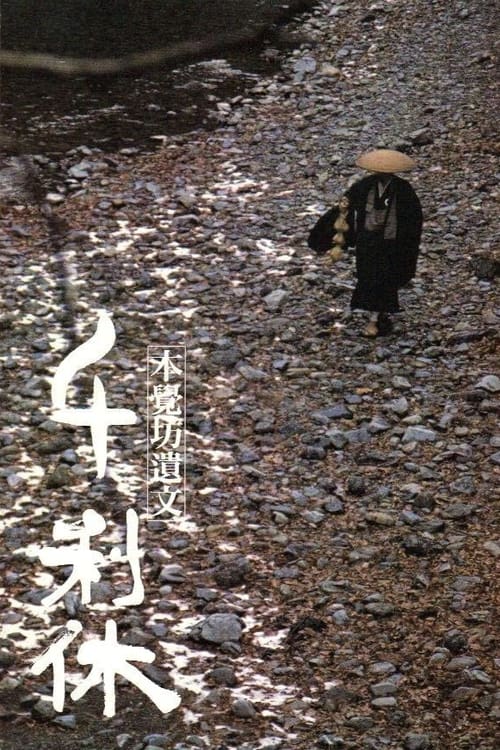
1989
No reviews yet. Be the first to share your thoughts on this movie!
Use the rating form above to leave a star rating and optional review.