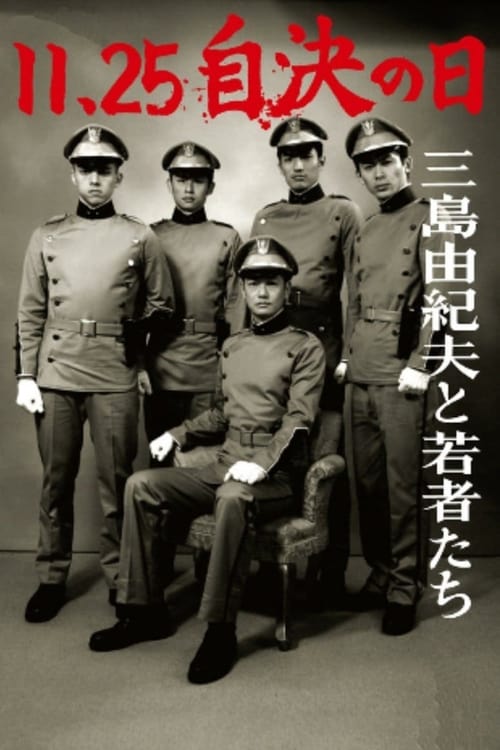
11.25 The Day He Chose His Own Fate
2012
No user ratings available yet
Representation score: 4.4 out of 10
Representation Score
Limited
2021
Director
Toshiaki Toyoda
Runtime
26 minutes
Average Rating
No ratings yetNew Showbiz Analysis
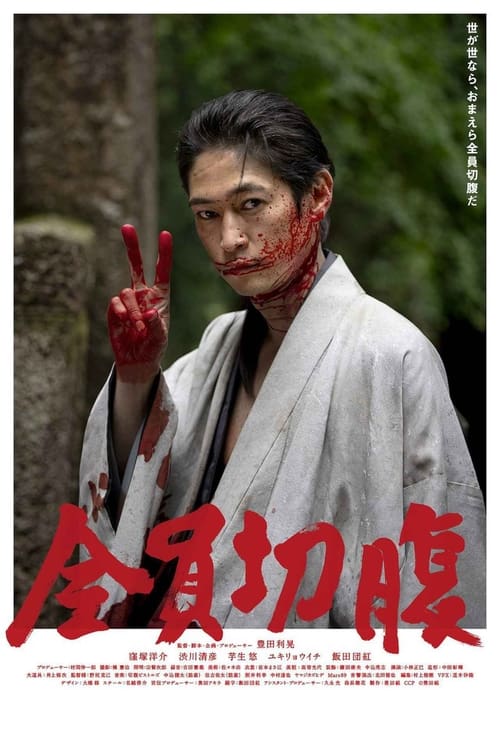
Go Seppuku Yourselves serves as a sophisticated deconstruction of institutional power. It uses a historical setting to question systemic injustice and the corruption of ruling authorities. The film's strength lies in its cultural critique rather than broad demographic representation. It redefines the heroic samurai cliché, transforming a ritualistic death into a political act of exposure. While the narrative is deeply rooted in a masculine, homogeneous framework, it successfully challenges the moral sanctity of established social hierarchies.
Category Breakdown
The film focuses on the rigid, traditional structures of the samurai class. There is no evidence of LGBTQ+ characters or stories about non-traditional gender identities.
The story centers on traditional masculine roles like the samurai and his assistant. It doesn't challenge gender hierarchies or show femininity as a powerful force.
As a Japanese period piece, the cast is ethnically uniform. However, it offers a significant historical perspective from a non-Western viewpoint, breaking the usual Western-centric film focus.
The film presents a clear criticism of traditional, corrupt institutions. It uses the protagonist's death to criticize systemic problems, challenging the established authority and traditional honor.
There is no specific evidence regarding the portrayal of physical or neurodivergent disabilities within the film's context.
Present on Screen
Limited or Absent
Official Synopsis
A man is tasked with assisting in the ritual suicide of a samurai who won't die without condemning the corrupt powers that be.
2012

1972
2014
1966
2010
2011
1969
1964
No reviews yet. Be the first to share your thoughts on this movie!
Use the rating form above to leave a star rating and optional review.