
Goyo: The Boy General
2018
No user ratings available yet
Diversity score: 6.3 out of 10

2008
Director
Hung Chih-Yu
Runtime
110 minutes
Average Rating
No ratings yetSynopsis
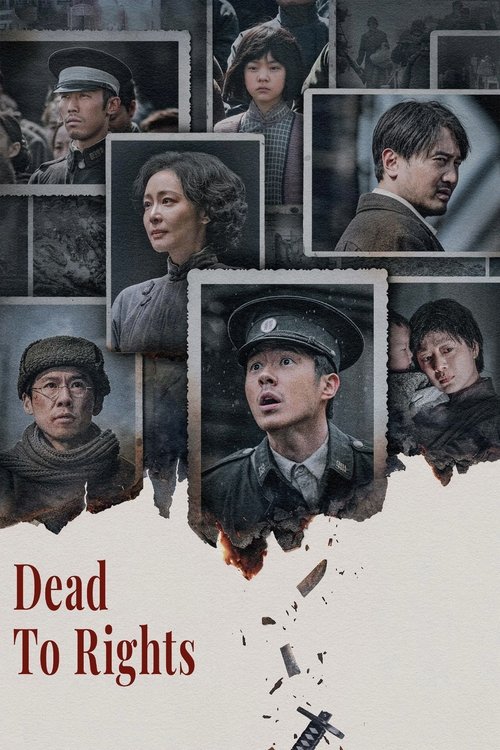
"1895" tells the story of the resistance against the Japanese invasion in 1895.
Overall Score
Good
Category Breakdown
LGBTQ+ Representation
The film lacks explicit evidence of LGBTQ+ characters or non-heteronormative narratives. The focus remains on macro-level political struggles and nationalist identity rather than individual queer stories.
Gender Representation
The narrative centers on male-driven military and political leadership during the Japanese invasion. There is no confirmation of female characters possessing high agency or subverting traditional gender hierarchies.
Racial & Ethnic Diversity
The film excels by centering a non-Western narrative of local resistance. It disrupts Western-centric historical lenses by prioritizing the agency of a colonized people fighting imperial expansion.
Religious & Cultural Diversity
Built on an anti-imperialist framework, the story critiques colonial power structures. It prioritizes regional identity and local sovereignty over the imposition of external cultural or political hierarchies.
Disability Representation
There is no documented evidence regarding the portrayal of characters with physical or neurodivergent disabilities within the historical context provided.
Strengths
Areas for Improvement
AI Analysis
1895 in Formosa is a historical drama that finds its strength in its decolonial perspective. By centering the resistance against Japanese imperial forces, the film provides a necessary non-Western viewpoint on sovereignty and ethnic self-determination. However, the film appears to follow traditional period constraints. The narrative focuses heavily on communal and political struggles, which results in a lack of visible representation for LGBTQ+ identities and female agency. Ultimately, the film serves as a powerful disruption of Western-centric history, even if it adheres to conventional gender and social roles of the 19th century.
2018
2008
1994

2005

2014

1905
1990

2017
1990

2011
2025

2017
No reviews yet. Be the first to share your thoughts on this movie!
Use the rating form above to leave a star rating and optional review.