Aishite Imasu 1941: Mahal Kita
2004
No user ratings available yet
Representation score: 6.6 out of 10
Representation Score
Fair
1990
Director
Eddie Fong Ling-Ching
Runtime
96 minutes
Average Rating
No ratings yetNew Showbiz Analysis
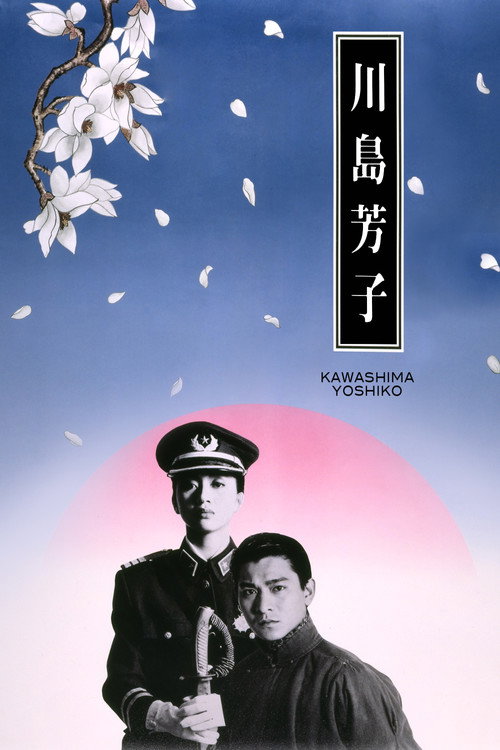
Kawashima Yoshiko serves as a multifaceted character for exploring the intersection of ethnicity, gender, and shifting political loyalties. The film moves beyond conventional heroic narratives to examine how geopolitical forces fracture individual identity. The narrative's strength lies in its focus on a controversial figure whose life challenges monolithic ethnic experiences and nationalist morality. By centering a character caught between imperial heritage and foreign service, the film offers a nuanced look at power and identity. While the film excels in cultural and ethnic complexity, it lacks explicit confirmation of LGBTQ+ themes or disability representation. The focus remains primarily on the historical and geopolitical tensions of the Second Sino-Japanese War.
Category Breakdown
The film touches on themes related to gender non-conformity but does not explicitly confirm LGBTQ+ identities or same-sex relationships.
A strong female protagonist leads the story within traditionally male-dominated fields like espionage and military intelligence. This challenges typical expectations of female passivity in war dramas.
The story highlights the cultural clash between Manchu and Japanese cultures. The protagonist's dual identity sheds light on the displacement of ethnic minorities and the complexities of colonial identity.
The film engages with themes of moral relativism and the breakdown of traditional institutions. It examines how societal pressures lead individuals to question their cultural origins.
There is no information available regarding the depiction of physical or neurodivergent disabilities in this work.
Present on Screen
Limited or Absent
Official Synopsis
A fictionalized account of the life and death of Kawashima Yoshiko, the last princess of Manchuria and a spy for the Japanese during the Second Sino-Japanese War.
2004
2009

2015
1959
2014

2020
1960
2012
No reviews yet. Be the first to share your thoughts on this movie!
Use the rating form above to leave a star rating and optional review.