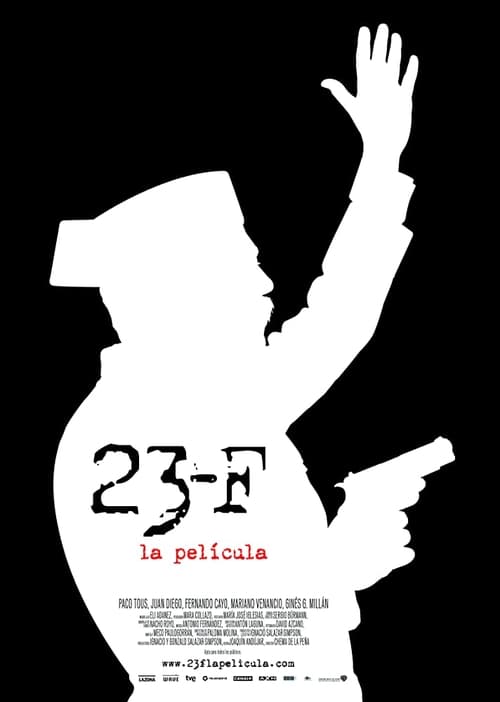
23-F: la película
2011
No user ratings available yet
Representation score: 3.2 out of 10
Representation Score
Fair
2008
Director
José Luis Garci
Runtime
152 minutes
Average Rating
No ratings yetNew Showbiz Analysis
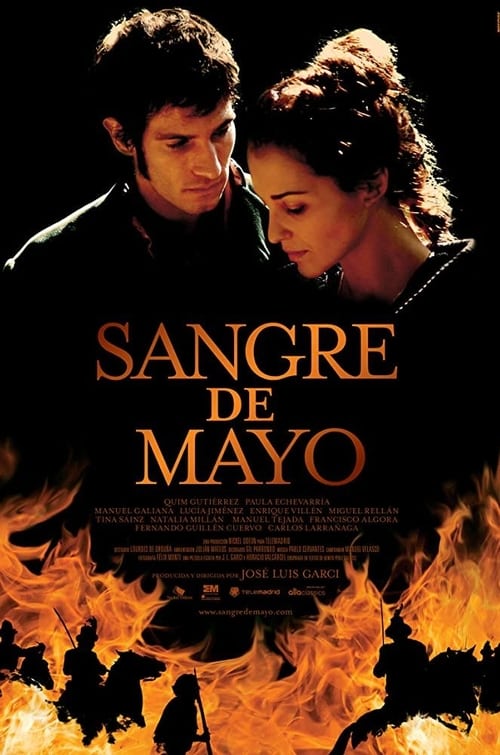
Blood of May is a traditional historical drama that prioritizes nationalistic and anti-imperialist themes over modern demographic diversity. It centers on the 1808 uprising in Madrid against French occupation. The film's strength lies in its examination of power dynamics and its critique of Western dominance. By focusing on a population resisting foreign imposition, it disrupts conventional narratives of imperial progress. However, the film remains limited by its historical setting, which results in a lack of visible diversity. The narrative structure adheres to the conventional social and ethnic frameworks of the early 19th century.
Category Breakdown
The film reflects the early 19th-century social structures where there is no indication of queer identities or non-traditional gender roles. Queer identities and non-binary gender presentations are not represented in the narrative.
The story focuses on masculine-coded military and political struggles typical of historical epics. While women may play roles in civilian resistance, their influence often remains secondary to male-led hierarchies.
The film's demographic focus is ethnically homogeneous, reflecting the Iberian and European populations of the time. The conflict is framed around the distinction between the Spanish populace and French occupiers.
The film explores themes of sovereignty by showing resistance against Napoleonic expansion. It challenges imperial authority by presenting the struggle as a rebellion against foreign institutions.
There is no evidence of characters with visible or invisible disabilities within the provided context.
Present on Screen
Limited or Absent
Official Synopsis
Revolution in Spain, around the events of 2 May 1808, when the people of Madrid rise up in rebellion against French occupation.
2011

2011

1950

2016

2005

1992
1905

1925
No reviews yet. Be the first to share your thoughts on this movie!
Use the rating form above to leave a star rating and optional review.